
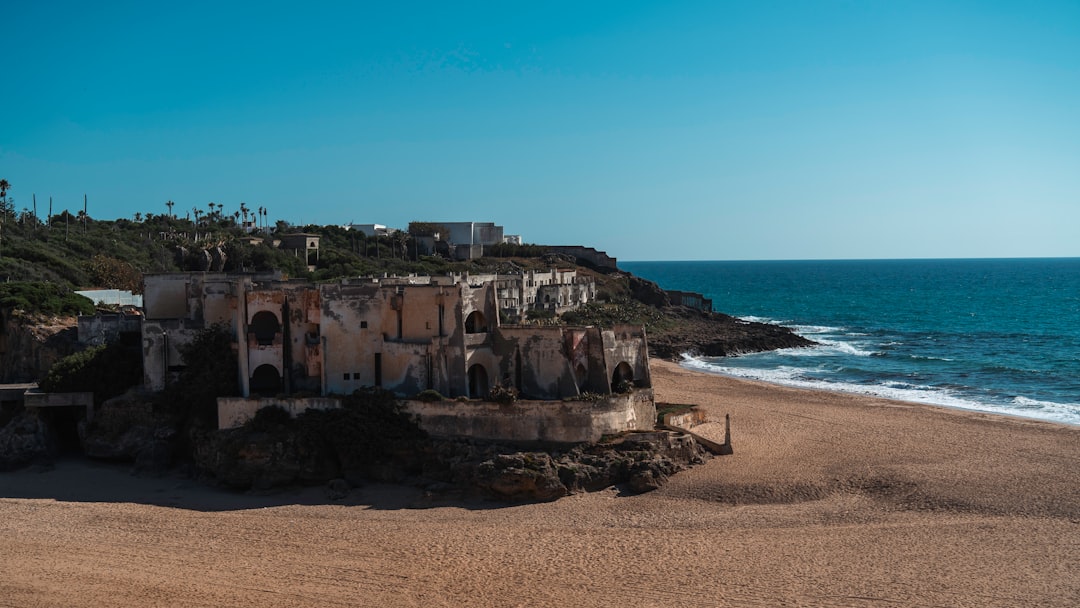
Foreign investors can legally purchase land in Tangier, Morocco, but the process differs significantly from Western markets. Foreigners have the same ownership rights as Moroccan nationals, though they must comply with Morocco's real estate regulations, complete notary registration, and budget for closing costs typically ranging from 7–10% of the purchase price. Understanding title verification, development potential, zoning restrictions, and financing options is essential before committing capital to Tangier's emerging land market.
Legal Rights: Can Foreigners Buy Land in Tangier?
Yes, foreign investors have full legal rights to purchase land in Tangier under Moroccan law. There are no restrictions on foreign ownership of real estate, including raw land, apartments, villas, or commercial properties. Morocco treats foreign and domestic buyers equally in property transactions, which is one reason why buying property in Tangier as a foreigner has become increasingly common over the past decade.
However, owning land as a foreigner requires specific legal documentation and compliance steps. You must open a Moroccan bank account, obtain a tax identification number (if you plan to develop or rent the property), and work with a licensed real estate agent and notary to complete the transaction. Many foreign investors hire a trusted local representative or use power of attorney to manage the process remotely.
Understanding Land Ownership and Title Verification
Before purchasing any land in Tangier, verifying the property title is non-negotiable. Morocco's property registration system has modernized significantly, but title disputes and ownership gaps still occur. A clear title ensures you have uncontested ownership and eliminates risk of future legal claims.
Title verification involves checking multiple documents at the local land registry (Agence Nationale de la Conservation Foncière). Essential steps include:
- Confirming the current registered owner and their legal authority to sell
- Verifying no liens, mortgages, or outstanding debts are attached to the property
- Confirming the property boundaries match the surveyed land plan
- Checking for any inheritance disputes or family claims (common in Morocco)
- Reviewing utility registrations (water, electricity) to confirm service access
Verifying a property title before buying typically takes 1–2 weeks and costs between 300–500 MAD (roughly €30–50), but it's one of the most critical investments you'll make. Many foreign buyers skip this step to save time or money, only to face costly disputes later.
Zoning, Development Potential, and Land Use Restrictions
Tangier's land is classified under different zoning designations that determine what you can legally build. Understanding zoning before purchase is essential, because not all land permits residential development, commercial use, or high-rise construction.
The city's zoning framework includes:
- Residential zones — typically allow single-family villas, small apartment buildings, or multi-unit developments depending on density classifications
- Commercial/mixed-use zones — permit shops, offices, hotels, and residential above commercial (common along Boulevard Mohamed VI)
- Industrial zones — restricted to manufacturing, warehouses, and logistics (not suitable for residential investors)
- Agricultural/green zones — protected land with strict building restrictions (common in Route Rahrah and outer Tangier areas)
- Tourist zone designations — special regulations with tax incentives but also density and architectural controls
Many foreign investors purchase land in areas like Malabata Hills or Achakar because these neighborhoods have clear residential zoning and strong development momentum. Before committing, request the official zoning certificate (certificat d'urbanisme) from the municipal authorities—it confirms exactly what you're permitted to build.
Closing Costs and Notary Fees for Land Purchases
Land purchases in Tangier carry significant closing costs that many foreign investors underestimate. Total costs typically range from 7–10% of the purchase price, including notary fees, registration taxes, and administrative charges.
Typical closing cost breakdown for land:
- Notary fees — 2.5–3% of purchase price
- Registration tax — 2–3% of purchase price
- Municipal tax (taxe urbaine) — small annual fee based on land value
- Agricultural tax (if applicable) — charged on undeveloped rural land
- Title transfer and deed registration — 0.5–1% of purchase price
- Agency commission — typically 3–5% (paid by seller, though this varies)
Use Immoworld's notary fees calculator to estimate your exact costs based on land price and location. Land in peripheral areas like Route de Rabat carries slightly lower registration taxes, while beachfront or touristic zone land may have additional environmental or municipal fees.
Financing Land Purchases as a Foreign Investor
Financing raw land in Tangier is more challenging than financing an apartment or villa, because banks view undeveloped land as higher-risk collateral. However, several financing options exist for foreign investors.
Moroccan bank mortgages are available to non-residents, though approval requires meeting strict criteria: proof of income, tax returns, a Moroccan bank account, and typically a 30–40% down payment. Attijariwafa bank, BMCE Bank, and Banque Populaire all offer mortgages to foreign buyers, but the approval process takes 4–8 weeks.
International lenders and asset-based loans are an alternative if you have significant investments or real estate portfolios abroad. Some European banks offer cross-border mortgages secured by international assets, though interest rates are typically 2–3% higher than domestic mortgages.
Cash purchases or staged payment plans are common among foreign investors in Tangier. Many sellers accept 30–50% down with the remainder paid over 3–6 months, particularly if the buyer demonstrates financial credibility through proof of funds.
Due Diligence: What to Investigate Before Committing
Land purchases demand thorough due diligence, particularly in an unfamiliar market. Beyond title verification, consider these critical investigation points:
- Site access and utilities — confirm water, electricity, and road access are available or planned. Some Tangier land lacks basic infrastructure despite proximity to the city
- Neighbor disputes — inquire whether the seller has faced boundary disputes or neighbor claims. Local residents often hold unrecorded traditional claims on land
- Environmental restrictions — check if land is in a flood zone, near protected coastal areas, or subject to environmental protection laws
- Future development plans — review Tangier's municipal development strategy (plan d'aménagement) to understand planned infrastructure, roads, or commercial zones near your land
- Seller history and motivation — understand why the current owner is selling. Distressed sales sometimes indicate unresolved property issues
Hiring an independent surveyor or engineer to physically inspect the land and confirm boundaries costs 500–1,500 MAD (€50–150) but can reveal costly surprises like unauthorized encroachments or unstable terrain.
Investment Neighborhoods and Land Appreciation Potential
Tangier's best land investment opportunities align with neighborhoods experiencing infrastructure growth, population inflow, and development momentum. Areas along the TGV corridor and near Tanger Med Port have seen land values appreciate 15–25% annually over the past three years.
High-potential investment zones include:
- Malabata and Malabata Hills — beachfront and hillside land with strong tourism and residential demand
- Route de Rabat — emerging residential corridor with accessible prices and solid appreciation potential
- Meghogha — eastern Tangier district experiencing rapid residential development
- Tanja Balia — port-adjacent district reshaping due to urban renewal and port relocation
- Achakar — ultra-premium coastal land for villa development, favored by high-net-worth investors
Avoid speculative purchases in purely agricultural zones far from infrastructure unless you have a long-term development strategy. Land value depends heavily on accessibility, planned urban expansion, and development rights.
The Legal Timeline: From Agreement to Ownership
The land purchase process in Tangier typically spans 4–12 weeks, depending on complexity and how quickly you complete due diligence. Here's the typical sequence:
- Week 1–2 — Property search, title verification, and zoning confirmation
- Week 3–4 — Negotiation and price agreement; signing of preliminary sales agreement (compromis de vente)
- Week 5–8 — Notary review of title, mortgage application (if financing), and final document preparation
- Week 9–12 — Notary registration, final payment, and official title transfer
Foreign buyers who use power of attorney can complete this process entirely remotely, though it requires trusting a qualified local representative or agent.
Working with Developers vs. Purchasing Raw Land
Foreign investors have two main pathways: purchasing undeveloped raw land directly, or buying pre-developed land parcels through established developers partnered with reputable agencies.
Raw land offers more upside potential but demands personal development expertise, regulatory navigation, and years before realizing returns. You're responsible for obtaining building permits, hiring contractors, and managing construction—complex tasks in a foreign legal system.
Developer partnerships transfer much of that risk. Developers like Eagle Hills Morocco, Amanah Real Estate, and Aafer Groupe handle zoning compliance, infrastructure, permits, and project management. You purchase pre-approved land parcels ready for development or invest in completed projects with known returns.
For most foreign investors, developer partnerships reduce regulatory complexity and time-to-exit significantly.
Tax Implications and Residency Considerations
Foreign land ownership triggers tax and residency questions. If you own land but don't live in Tangier, you'll pay annual property tax (calculated on rental value, not market price). Off-plan property purchases receive a 5-year tax holiday, which incentivizes development investment.
If you plan to develop or rent the land, you'll need a Moroccan tax identification number and must file annual tax returns. Working with a Moroccan accountant or tax advisor (cost: 200–400 MAD annually) ensures compliance and helps you understand available incentives.
Getting Expert Guidance Before You Buy
Land investment in Tangier is rewarding but carries execution risk. Review Immoworld's FAQ for answers to common questions about the buying process, or contact Immoworld's advisory team directly to discuss your investment goals, neighborhood preferences, and financing strategy with someone who understands both the Moroccan legal system and international investor expectations.
The best land investments in Tangier combine strong location fundamentals, clear title, development-ready zoning, and trusted seller relationships. Taking time upfront to verify these elements—rather than rushing to close—protects your capital and maximizes long-term returns.