
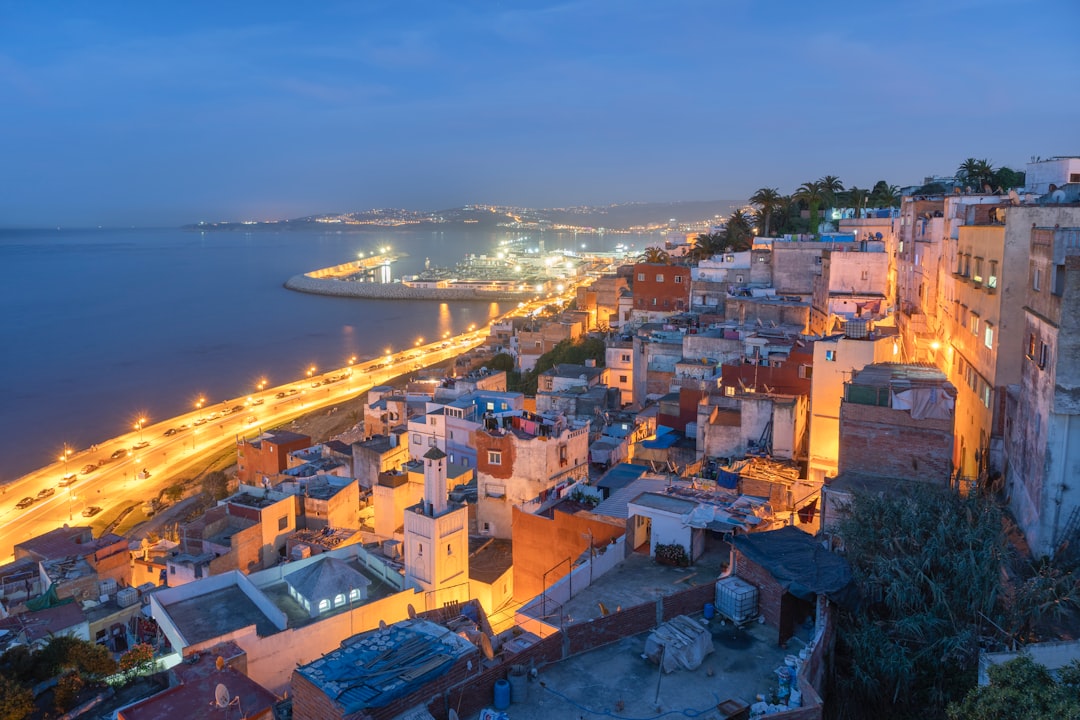
Buying commercial property in Tangier as a foreigner is legally straightforward and increasingly accessible, though it requires understanding Morocco's regulatory framework, notary procedures, and the specific commercial real estate landscape. Foreign buyers have the same property ownership rights as Moroccan nationals for commercial spaces, but the process involves careful due diligence, clear title verification, and structured negotiation. This guide walks you through the complete acquisition pathway, from market exploration through closing, so you can move confidently into Tangier's growing commercial real estate opportunity.
Understanding Tangier's Commercial Real Estate Market
Tangier's commercial property market has transformed dramatically over the past five years, driven by infrastructure investment, port expansion, and rising tourism. The city now attracts serious investors looking for retail, office, hospitality, and mixed-use opportunities at prices significantly lower than comparable European coastal markets. Understanding the fundamentals—price ranges, neighborhood dynamics, and buyer profiles—is your first step toward making an informed decision.
Commercial property in Tangier typically falls into four categories: retail storefronts and shopping centers, office space, hospitality assets (hotels, riads, restaurants), and mixed-use developments combining multiple uses. Prices range from €100,000 for modest storefronts to €1 million-plus for substantial commercial buildings or prime waterfront developments. The average commercial property in central Tangier trades between €250,000 and €500,000, depending on location, foot traffic, and existing tenant agreements.
Unlike residential real estate, commercial properties are priced based on income-generating potential, location visibility, and strategic value. A ground-floor retail space on Boulevard Mohamed VI, Tangier's major waterfront corridor, will command premium pricing because of consistent tourist foot traffic and brand visibility. By contrast, office space in secondary locations may offer better yields with lower acquisition costs.
Key Commercial Neighborhoods in Tangier
Location determines commercial success in Tangier. Different neighborhoods serve distinct buyer profiles and business models. Here are the city's most active commercial zones for foreign investors:
- Centre-Ville (Historic Downtown): Centre-Ville is Tangier's historic and commercial core, anchored by the Grand Socco and main shopping districts. This dense, walkable neighborhood draws foot traffic from both tourists and residents. Ground-floor retail here commands premium pricing but offers strong daily transaction volume and brand exposure. Ideal for cafés, boutiques, restaurants, and casual hospitality.
- Boulevard Mohamed VI (Waterfront Corridor): This waterfront corridor combines commercial frontage, hotels, and residential towers along the red coast. It's Tangier's premier hospitality and tourism district, attracting international hotel chains, upscale dining, and seasoned investors seeking long-term lease income. Prices are higher, but occupancy and tourist volume justify the premium.
- Place al Madina (M'Sallah Business Hub): Place al Madina sits at the crossing of three key avenues and functions as a dense, dynamic business hub. This mixed-use district attracts both retail and office tenants. It offers better pricing than downtown while retaining solid foot traffic and professional visibility—popular with service providers, agencies, and emerging retailers.
- Tanger City Center (Socco Alto): This modern business and hospitality district anchors Tangier's commercial evolution, home to two Hilton hotels, office complexes, and premium retail. It appeals to established investors seeking institutional-grade assets and stable long-term tenants, though acquisition costs and due diligence are correspondingly rigorous.
- Tanja Balia (Port District): Adjacent to Tangier's historic port and train station, this emerging district is being reshaped by urban renewal. Early-stage investors see potential in hospitality, logistics, and mixed-use development, though infrastructure improvements are still unfolding.
Legal Framework for Foreign Commercial Buyers
Foreign nationals may own commercial property in Tangier under the same legal protections as Moroccan citizens, with a few important nuances. Morocco's commercial real estate ownership is codified in the Land Code, and purchases are formalized through a notary-registered deed—a government-sanctioned contract that transfers title and creates a permanent public record.
Before signing any agreement, verify that the property has clear title (no liens, disputed ownership, or outstanding debts). This requires obtaining and reviewing the property's official deed (title certificate), tax records, and any existing lease agreements. Hire a local lawyer or notary to conduct this due diligence—it's not optional, and it protects your investment from legal surprises after closing.
Foreign buyers are not required to live in Morocco or maintain a Moroccan bank account, though having a local contact (lawyer, agent, or trusted intermediary) streamlines the process considerably. If you cannot be physically present for signing, you may execute a power of attorney, delegating purchase authority to a trusted representative in Tangier. This is common for diaspora and overseas investors and is perfectly legal under Moroccan law.
The Purchase Process: Step by Step
Buying commercial property in Tangier follows a structured legal sequence. Understanding each phase prevents delays and protects your interests:
- Property Search and Initial Agreement: Identify a property through a real estate agent, direct negotiation, or platforms like Immoworld's full listing of apartments, villas, and commercial properties for sale in Tangier. Once you've identified a target, negotiate the price and terms verbally or through preliminary email. This is non-binding; either party can walk away without penalty.
- Proof of Funds and Intent Letter: The seller's agent or lawyer will request evidence of your financial capacity to close (bank statements, mortgage pre-approval letter). Provide a signed letter of intent stating your offer price, proposed closing date, and any contingencies (inspection, financing approval, title clearance).
- Compromis de Vente (Preliminary Contract): Once terms are agreed, you and the seller sign a compromis de vente, a preliminary contract that binds both parties to the sale at the stated price. This typically includes a deposit (usually 10–15% of purchase price), held in escrow by the notary. At this stage, engage a notary and lawyer to review all documents and conduct title verification. Before signing a compromis de vente in Morocco, you must verify the property title is clear and confirm the seller owns the property.
- Due Diligence and Title Search: Your notary files an official title search with Morocco's land registry, confirming the seller's ownership and identifying any liens, mortgages, or outstanding taxes. This typically takes 2–4 weeks. Simultaneously, verify utility connections (water, electricity, internet), property tax status, and any existing lease agreements affecting the property.
- Final Notary Deed (Acte Authentique): Once title is confirmed clear, you and the seller meet with the notary to sign the final deed. This is a formal, legally binding transfer of ownership. The notary registers the deed with Morocco's land registry, creating an official public record of your ownership. You receive an authenticated copy for your records.
- Payment and Key Transfer: Payment is typically made to the notary's escrow account on the day of final signing. Once funds clear, the notary releases payment to the seller, and you receive keys and physical possession.
Costs and Fees: What to Budget
Closing costs in Tangier typically represent 7–10% of your purchase price. For a €300,000 commercial property, expect total closing costs between €21,000 and €30,000. Here's what you'll pay:
- Notary Fees: 2–3% of purchase price, paid to the government notary for deed registration and title transfer.
- Transfer Tax (Droits d'Enregistrement): 3–5% of purchase price, a government tax paid at closing.
- Property Registration: €200–500, paid to Morocco's land registry for title recording.
- Legal Fees: €1,000–3,000 for your lawyer's due diligence, contract review, and closing coordination.
- Real Estate Agent Commission: 2–5% of purchase price, paid by the seller in most cases, though confirm this with your agent upfront.
- Property Inspection (Optional): €300–800 if you hire a professional inspector to assess structural and systems condition.
Use Immoworld's Notary Fees Calculator to estimate notary and registration fees for a property purchase in Morocco, inputting your purchase price and property type for a precise breakdown. This takes guesswork out of budgeting and helps you prepare for closing.
Financing Commercial Property as a Foreigner
Most foreign buyers purchasing commercial property in Tangier finance through one of three channels: Moroccan bank mortgages, international lenders, or cash. Moroccan banks (BMCE, Crédit du Maroc, Banque Populaire) typically offer mortgages up to 60–70% of property value for commercial real estate, with interest rates between 3.5–5.5%. You'll need proof of income, tax returns, and often a local guarantor—requirements that vary by lender and property type.
If you're a non-resident, some international banks offer mortgages on Moroccan property at competitive rates, though documentation requirements are more stringent. Alternatively, many foreign investors structure deals with staged payments: a deposit at signing, interim payments during any renovation or lease period, and final payment upon handover. This reduces upfront capital requirements and aligns your payments with property income generation.
Lease Agreements and Tenant Vetting
If you're buying an occupied commercial property—a retail space with an existing tenant, for example—carefully review the existing lease before closing. Verify the tenant's financial stability, lease remaining term, rent level (is it market-rate or below?), and renewal terms. A property generating strong, stable rental income is more valuable than vacant space requiring immediate tenant recruitment.
If you're purchasing vacant space intending to lease it, budget for tenant acquisition: marketing, broker commissions, and potential rent concessions during the lease-up phase. Commercial properties typically take 3–6 months to secure quality tenants in Tangier, so factor that into your investment timeline and cash flow projections.
Working with Local Partners and Advisors
Buying commercial property in a foreign market is complex. Engage experienced local partners: a Moroccan lawyer, a licensed notary, and a reputable real estate agent familiar with the commercial segment. Immoworld's advisory team in Tangier has deep expertise in commercial transactions and can connect you with vetted legal and brokerage partners.
Ask your agents and lawyers for references from other foreign buyers they've worked with. A good track record—successful closings, clear communication, and problem-solving during escrow—is far more valuable than a slick website or aggressive marketing pitch.
Common Pitfalls to Avoid
Foreign buyers sometimes stumble on preventable issues. Avoid these common mistakes: (1) skipping proper title verification and legal review—tempting to save on lawyer fees, but dangerous; (2) not reviewing existing leases or tenant agreements thoroughly—a property's value depends on its income stream; (3) underestimating closing costs and renovation budgets—factor in 10% of purchase price for unexpected costs; (4) buying in secondary locations based solely on low price—proximity to foot traffic, parking, and visibility matters far more for commercial success than a discounted price tag in a dead zone; (5) rushing the process to avoid notary and legal fees—these protections pay for themselves if anything goes wrong.
Next Steps and Resources
Start by exploring Tangier's commercial offerings and neighborhoods. Get in touch with Immoworld's advisory team to discuss your investment goals, timeline, and budget—they can point you toward suitable properties, connect you with local legal and brokerage partners, and guide you through the transaction process from initial offer to closing.
If you have specific questions about costs, legal procedures, or financing options, review Immoworld's FAQ section, which answers common questions about buying property in Tangier as a foreigner, covering process, costs, legal, and financing topics. Every foreign buyer's situation is unique; these resources provide frameworks, but personalized guidance from a local advisor is invaluable.
Conclusion: Your Tangier Commercial Property Opportunity
Buying commercial property in Tangier as a foreigner is achievable, legal, and increasingly attractive given the city's economic momentum and international growth. The process requires patience, local expertise, and careful due diligence, but it's far more straightforward than many overseas investors assume. By understanding the legal framework, budgeting for true costs, selecting the right neighborhood for your business model, and engaging experienced local partners, you can acquire a commercial asset that generates income, builds wealth, and positions you within North Africa's most dynamic coastal economy.
Tangier is no longer a sideline for real estate investors. With TGV rail connectivity, port expansion, and rising tourism, commercial property in the right location today becomes premium coastal real estate tomorrow. Start your exploration today, connect with local advisors who understand both the opportunity and the risks, and build your footprint in Morocco's gateway to Europe.