
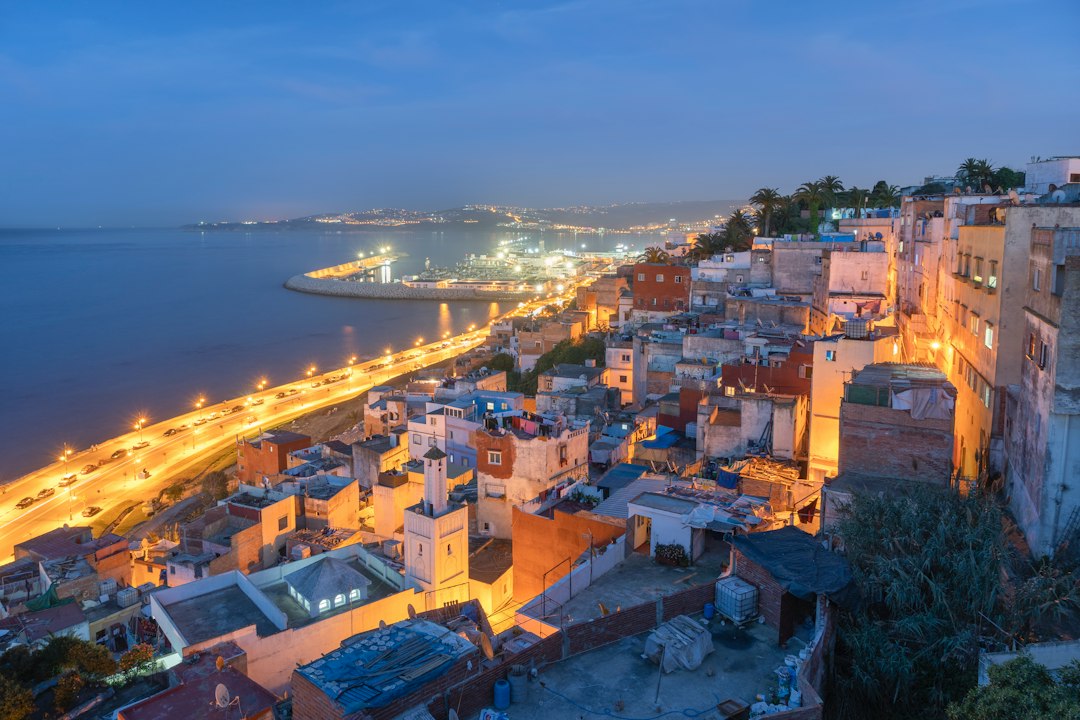
Morocco's Vision 2030 strategy is reshaping Tangier's real estate market through coordinated infrastructure investment, port modernization, and foreign investment incentives. The national development roadmap prioritizes northern Morocco as a gateway for Mediterranean commerce and tourism, directly driving residential demand, neighborhood transformation, and property appreciation. By 2026, this vision has already catalyzed major projects—Tanger Med port expansion, TGV rail connectivity, and urban renewal in port districts—creating measurable wealth creation for property owners and new-build investors across multiple neighborhoods.
What Is Morocco's Vision 2030 and Why It Matters for Tangier
Morocco's Vision 2030 is a comprehensive national development strategy launched to position the kingdom as a leading African economy by 2030. The roadmap focuses on three core pillars: economic diversification through manufacturing and logistics, infrastructure modernization, and social development.
Tangier sits at the center of this strategy. As Morocco's primary port city, gateway to Europe, and home to Africa's busiest container port (Tanger Med), the city has been designated as a strategic economic hub. The national government has committed substantial capital to reposition northern Morocco as a continental trade center, making Tangier the focal point of foreign investment and development activity.
For real estate investors and homebuyers, this matters profoundly. Infrastructure spending, job creation, and rising international demand translate directly into property value appreciation, rental yield improvement, and neighborhood transformation.
Tanger Med Port Expansion: The Engine Behind Rising Property Values
Tanger Med, Africa's largest container port by volume, is undergoing one of the world's largest port expansions under Vision 2030. The project is creating thousands of permanent and contract jobs, attracting international logistics companies, and reshaping labor migration patterns into Tangier.
How Tanger Med's ongoing expansion creates unprecedented demand for residential property in Tangier in 2026 explains how this infrastructure project directly influences neighborhood selection and pricing. Workers relocating from across Morocco and West Africa require housing. International logistics employees seek modern apartments close to port operations. This demand is concentrated in specific neighborhoods—Tanja Balia, Tanger City Center, and emerging districts along transport corridors.
Property owners in proximity to Tanger Med have already seen significant appreciation. Studios and one-bedroom apartments marketed as "port-adjacent" or "logistics-worker housing" command rental premiums of 8–12% annually. Developers are responding by fast-tracking residential construction in Tanja Balia and other port-connected areas.
TGV High-Speed Rail: Connectivity and Long-Term Value Creation
Morocco's Vision 2030 includes the Tangier–Casablanca TGV high-speed rail link, a transformative connectivity project due for completion by late 2026. This infrastructure will reduce travel time from Tangier to Morocco's capital and financial center from 5 hours by road to 2 hours by rail.
The TGV high-speed rail connection is fundamentally reshaping property values and investor demand in neighborhoods along transport corridors. Properties within walking distance of TGV station zones are experiencing accelerated appreciation—15–25% over the past 18 months in some cases.
The rail connection creates two distinct value drivers. First, immediate commuter demand: professionals working in Casablanca's financial district can now live in Tangier's lower-cost neighborhoods while maintaining employment in Morocco's economic core. Second, lifestyle appeal: international residents gain faster access to Moroccan interior destinations, cultural sites, and business centers.
Foreign Investment Incentives and Regulatory Reforms
Vision 2030 includes specific tax incentives and regulatory reforms designed to attract foreign capital into Moroccan real estate. These include:
- Foreign ownership liberalization: Streamlined notary procedures and simplified foreign investment registration reduce acquisition timelines and legal friction.
- Visa residency programs: Golden visa schemes tied to property investment attract international buyers seeking Mediterranean residency and lifestyle stability.
- Tax holidays on rental income: Selected neighborhoods and developments receive temporary income tax exemptions, improving investor yields and attracting capital from Europe and North America.
- Development finance incentives: Off-plan developers working within Vision 2030 corridors receive expedited permitting and financing support, accelerating new-build delivery.
These incentives directly explain the surge in foreign investment documented in 2026 real estate market data showing unprecedented levels of international buyer activity reshaping neighborhood demand and pricing.
Urban Renewal and Neighborhood Transformation
Vision 2030 allocates capital for urban renewal across Tangier's historic core and emerging districts. This includes:
Medina and Kasbah restoration: Heritage preservation funds are revitalizing Tangier's historic center, making neighborhoods like the Kasbah and Centre-Ville more attractive to lifestyle buyers and international investors seeking character with modern amenities.
Port district modernization: Tanja Balia, historically a working-port neighborhood, is being repositioned as a mixed-use district combining residential, commercial, and leisure amenities. New apartment developments here target both port employees and international residents seeking waterfront living.
Green corridor development: Vision 2030 includes urban parks, lakeside recreation zones (like the rehabilitated Rahrah Lake near Route Rahrah), and public-space improvements that increase neighborhood appeal and property values in adjacent residential areas.
Where to See Vision 2030's Impact on Tangier Real Estate Markets in 2026
Specific neighborhoods and corridors are experiencing disproportionate growth as Vision 2030 projects materialize:
Port-Adjacent Districts (Tanja Balia, Tanger City Center)
Properties near Tanger Med and TGV connectivity hubs are appreciating fastest. Developers including Immoworld's developer partners are prioritizing construction in Tanja Balia and Tanger City Center, where commercial viability is highest and occupancy rates exceed 85%.
Central Corridors (Boulevard Mohamed VI, Avenue Moulay Rachid)
These established commercial-residential zones benefit from both direct Vision 2030 investment (streetscape upgrades, transit improvements) and spillover demand from port and rail projects. Mid-market apartments targeting professionals and international residents are selling quickly.
Emerging Luxury Districts (Ghandouri, Malabata Hills)
Vision 2030's international investor incentives are attracting international buyers seeking premium residential options. Ghandouri's emerging luxury corridor and hillside developments like Malabata Hills are increasingly favored for larger-format luxury units. These neighborhoods offer modern finishes, international-quality amenities, and lifestyle appeal that align with Vision 2030's positioning of Tangier as a Mediterranean gateway.
Investment Implications: What 2026 Data Reveals
For property investors and homebuyers, Vision 2030's material impact on Tangier real estate is measurable in 2026:
- Rental yields remain strong: Tangier's rental yields in 2026 remain competitive for Morocco real estate investment, with studios averaging 5–7% annual returns driven by vision-related economic activity and international buyer demand.
- Price appreciation accelerates in port-connected zones: Properties within 2–3 kilometers of Tanger Med or planned TGV stations have appreciated 12–18% year-over-year since 2024, outpacing broader market averages.
- Off-plan demand surges: Developers releasing new inventory in Vision 2030 corridors see pre-sales success rates exceeding 70%, with deposits secured before construction completion.
- International buyer composition shifts: Vision 2030 incentives are attracting logistics professionals, tech workers, and lifestyle investors—distinct from prior buyer cohorts and creating sustained demand.
Practical Steps for Buyers and Investors
If you're considering a Tangier property purchase in 2026, Vision 2030's infrastructure timeline is a critical factor:
Prioritize location proximity to Vision 2030 projects. Properties within walking distance of TGV station sites, Tanger Med logistics zones, or urban renewal districts offer the strongest medium-term appreciation. Commute times to major employment centers become measurably shorter after 2026, increasing neighborhood appeal and rental demand.
Understand construction timelines. Off-plan purchases in Vision 2030 corridors should come with clear handover dates and developer track records. Verify developer credentials through Immoworld's established developer network before committing capital.
Factor currency and financing carefully. Rising international investor demand is increasing property prices. Understanding how exchange rates, financing terms, and notary costs affect your budget ensures you capture value rather than chase appreciation already priced in.
Assess rental viability. If your investment thesis depends on rental income, confirm neighborhood occupancy rates and typical tenant composition. Vision 2030 creates genuine economic activity driving sustained rental demand, but neighborhood selection remains critical.
The Longer View: Why Vision 2030 Changes Tangier's Real Estate Trajectory
Morocco's Vision 2030 is not a short-term stimulus or political promise—it's a capital-intensive, multi-year infrastructure and economic strategy backed by government spending and international financing. The projects reshaping Tangier are 60–70% complete by 2026, with transformative effects already visible in property prices, neighborhood occupancy, and investor activity.
For property buyers, this creates a window of opportunity before full project completion drives prices to levels more typical of mature Mediterranean gateways. Neighborhoods that are currently affordable, well-positioned near infrastructure, and experiencing genuine economic activity represent authentic value today—not speculation.
The challenge is distinguishing genuine Vision 2030-driven demand from developer marketing hype. Working with trusted local advisors who understand both the national strategy and neighborhood-level reality ensures you invest in properties benefiting from real economic transformation, not inflated claims.
Next Steps: Learning More About Your Tangier Real Estate Options
Vision 2030's impact on Tangier real estate is real, measurable, and reshaping the market in 2026. Whether you're seeking a primary residence, retirement property, or investment portfolio addition, understanding how national infrastructure strategy influences neighborhood value is essential to making informed decisions.
Connect with Immoworld's advisory team to discuss how Vision 2030 projects affect specific neighborhoods, current market pricing, and which developments align with your timeline and investment goals. Our on-the-ground experience in Tangier helps you navigate infrastructure-driven opportunity without overpaying for hype.