
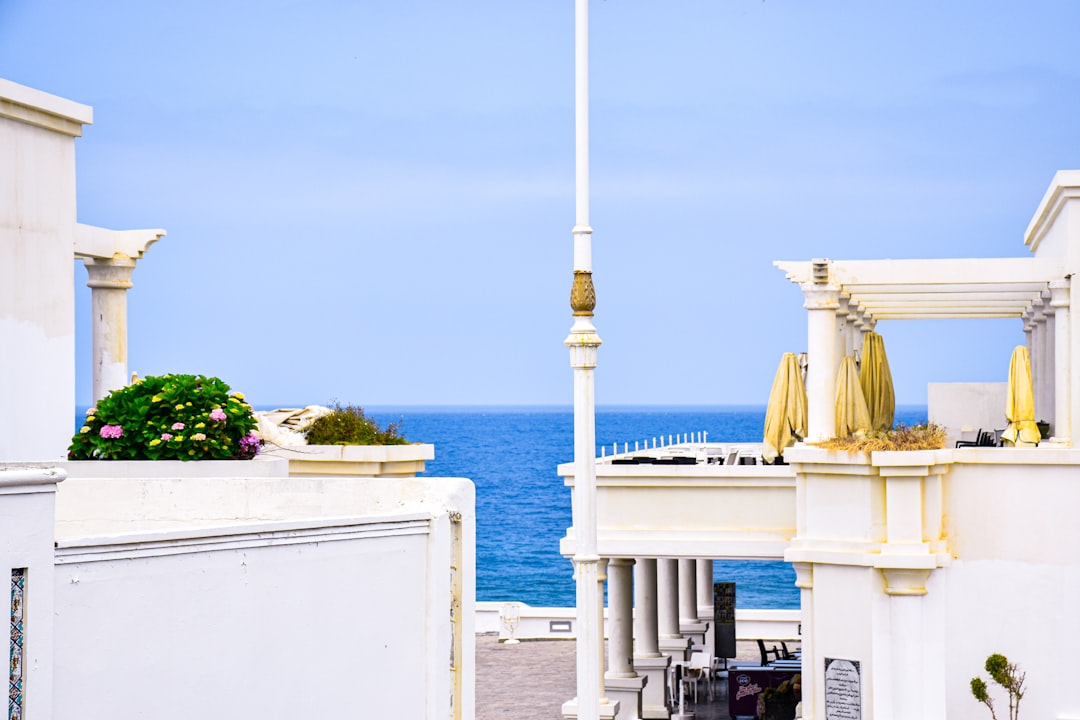
Buying a luxury apartment in Tangier with cryptocurrency gains is legally possible but requires careful navigation of Morocco's financial reporting rules, banking requirements, and property purchase protocols. The key is converting your crypto assets into fiat currency through legitimate channels, documenting the source of funds clearly to Moroccan authorities, and following standard property acquisition procedures. Morocco does not restrict foreign investment in residential real estate, but you must demonstrate transparent fund sourcing—which crypto transactions make explicit and traceable. This guide covers the complete process, tax implications, and best neighborhoods for luxury acquisitions.
Understanding Morocco's Legal Framework for Crypto-Funded Purchases
Morocco's financial system has evolved significantly in recent years. While cryptocurrency itself remains unregulated (neither explicitly legal nor illegal), the conversion and transfer of crypto-derived funds into the Moroccan banking system is subject to strict anti-money laundering (AML) and know-your-customer (KYC) compliance. When you move crypto proceeds into a Moroccan bank account, that bank must verify the legitimacy of the source—meaning you'll need documented proof of your cryptocurrency transactions, exchange records, and ideally professional tax documentation from your home country.
The Moroccan authorities do not penalize legitimate wealth from cryptocurrency if properly declared. What matters is transparency. Attempting to hide or misrepresent the source of funds—or conducting informal transfers (hawala, cash hand-offs)—carries serious legal risk, including transaction delays, account freezes, and potential criminal exposure. The safest path is full disclosure from the outset.
Converting Crypto to Fiat: Where and How
The first practical step is converting your cryptocurrency holdings into fiat currency (USD, EUR, or other recognized currencies). You have several options:
- Regulated international crypto exchanges (Kraken, Coinbase, Gemini, etc.) allow you to convert to fiat and transfer directly to your bank. These platforms generate official transaction records, tax forms, and compliance documentation that Moroccan banks will readily accept.
- Peer-to-peer exchanges such as LocalBitcoins or Paxful offer speed but less formal documentation. Not recommended for large sums destined for property purchases.
- Over-the-counter (OTC) cryptocurrency brokers cater to high-value transactions and provide white-glove service, including documentation tailored to meet international banking standards. Ideal for transactions over €50,000.
- Moroccan crypto-friendly banks or remittance partners (emerging segment) may accept crypto-derived transfers, though options remain limited. Always verify their compliance status first.
Most importantly: use only platforms with clear AML/KYC procedures. When you convert, request a detailed transaction statement showing the date of conversion, amount, exchange rate, and your identity verification. This documentation will be requested by Moroccan banks during the property purchase process.
Tax Implications: Capital Gains and Reporting
Your cryptocurrency gains may trigger capital gains tax in your country of residence or citizenship. Morocco itself does not tax unrealized gains, but once you move the funds into Morocco, you may face questions about the source.
To be clear: if you hold U.S. citizenship or permanent residency, U.S. tax authorities will tax your crypto gains regardless of where you spend the money. Similarly, EU residents face capital gains tax in their home country. Before converting your crypto, consult a tax professional in your jurisdiction to calculate your liability and file appropriate forms (Form 8949 in the U.S., for example).
In Morocco, property purchases are not subject to income tax on the purchase itself. However, the notary fees, registration taxes, and ongoing property taxes are calculated on the property value and are mandatory. These costs typically represent 7–10% of the purchase price; use Immoworld's notary fees calculator to estimate your exact closing costs.
Banking and Fund Transfer Procedures
Once you've converted your crypto to fiat, you'll transfer the funds to Morocco. Here's the typical process:
- Open a Moroccan bank account (or use an existing one) in your name. Most major banks in Tangier (BMCE, BNP Paribas, Al Barid Bank) accept foreign account holders. You'll need a passport, proof of address, and proof of funds source.
- Submit your crypto transaction documentation to the bank. Include exchange statements, proof of purchase or mining, and any tax filings from your home country. Be honest and thorough.
- Wire funds internationally into your Moroccan account. U.S. and European banks will flag large international transfers automatically; provide your bank with the full background (crypto proceeds, property purchase intent). This delays the transfer slightly but ensures compliance.
- Allow 5–10 business days for the wire to clear, depending on your originating bank and intermediate clearing houses.
Moroccan banks are experienced with international property buyers and cryptocurrency-derived wealth. The key is not to surprise them—call ahead, provide documentation, and maintain communication throughout the process.
Choosing the Right Luxury Neighborhood
Tangier's luxury apartment market has transformed dramatically in the past five years. Cryptocurrency-affluent buyers typically gravitate toward neighborhoods offering international standards, sea views, and strong capital appreciation potential. Here are the most sought-after areas:
Iberia is widely considered Tangier's most prestigious residential quarter—clean, upscale, and family-oriented, with small plazas and excellent schools. Luxury apartments here command €300,000–€500,000 for 2–3 bedrooms. Explore the Iberia neighborhood guide for detailed area insights.
Malabata stands out for coastal glamour and beachfront access, combining marina views with leisure-oriented infrastructure. Newer luxury developments here range from €250,000–€600,000 depending on size and finishing. Learn more about Malabata's beachfront offerings.
Malabata Hills is a high-end residential neighborhood developing on the heights above Malabata, just minutes from downtown and the beach. Perfect for buyers seeking privacy and panoramic views without direct waterfront prices. Penthouses and large 3-bedroom units range €350,000–€550,000.
Achakar, on Tangier's affluent northwestern coastline, is the most exclusive option. Private villas and ultra-luxury apartments stretch toward Cap Spartel, offering unparalleled tranquility. Discover why Achakar attracts buyers seeking tranquility.
The Property Purchase Process After Funds Clear
Once your funds are in your Moroccan bank account, the standard purchase process begins:
- Property search and inspection: Browse Immoworld's full listing of luxury apartments or work with a local agent to view properties in person.
- Due diligence: Verify the property title, ensure no outstanding debts or liens, and confirm utilities are registered in the seller's name.
- Compromis de vente (preliminary contract): Once you've agreed on price and terms, you and the seller sign a preliminary agreement. This is legally binding and typically requires a 10% deposit.
- Notary involvement: The notary verifies ownership, conducts searches at the land registry, and ensures all legal requirements are met. This phase typically takes 2–4 weeks.
- Title registration and final signing: At the notary's office, you sign the acte de vente (final deed) and receive the official title. Remaining funds (90%) are transferred from your account to the seller's at this moment.
The entire process typically takes 6–12 weeks for ready-to-move apartments, or longer for off-plan developments protected by Morocco's VEFA framework.
Off-Plan Luxury Developments: Special Protections for Crypto Buyers
Many of Tangier's most prestigious luxury developments are off-plan (still under construction). Morocco's VEFA (Vente en l'État Futur d'Achèvement) law protects off-plan buyers through escrow accounts and staged payments, making them safer for foreign investors using large lump-sum transfers.
With VEFA, your funds are held in escrow and released to the developer only as construction milestones are met. This protects you from developer insolvency and ensures quality control. For crypto-derived wealth, VEFA developments offer psychological reassurance—your entire purchase price isn't at risk if something goes wrong.
Leading developers in Tangier include partners across our developer network, such as Eagle Hills (backed by Emaar), Aafer Groupe, and Amanah Real Estate. All offer VEFA-protected off-plan units with transparency and professional management.
Critical Considerations for Crypto-Wealthy Buyers
Timing: Crypto markets are volatile. If you're converting a large position, consider doing so gradually over 2–4 weeks to minimize slippage and exchange rate risk. Your Moroccan purchase timeline can usually accommodate this without delays.
Inheritance and estate planning: Foreign property ownership in Morocco is straightforward, but inheritance rules for non-Muslims differ significantly from Western countries. Consult a local attorney about succession planning if applicable. Read our guide on inheritance rules for foreign property owners.
Rental income and ongoing tax: If you're buying to rent, annual rental income is taxable in Morocco. Luxury apartments in Tangier generate 3–5% annual net yields. Ensure your accounting and tax filings are in order before you begin collecting rent.
Currency exposure: Your purchase is denominated in Moroccan Dirhams (MAD). If you're a EUR or USD resident, you're exposed to MAD exchange rate fluctuations. Lock in your rate when wiring funds to minimize risk.
Partnering with Local Expertise
Buying luxury property in Tangier with cryptocurrency profits is a legitimate, increasingly common scenario. What sets successful buyers apart is preparation, transparency, and working with experienced local partners who understand both crypto-derived wealth and Moroccan property law.
Immoworld's advisory team has guided dozens of international buyers—including crypto-wealthy investors—through successful transactions. We help you navigate banking requirements, verify developer credibility, ensure legal compliance, and close confidently. Our contact page allows you to reach our advisory team for a confidential consultation about your specific situation.
Whether you're buying your first luxury apartment or a multi-unit portfolio with cryptocurrency gains, the path is clear: convert transparently, bank responsibly, verify the property thoroughly, and close with professional notary oversight. Tangier's luxury market rewards disciplined, informed buyers—and that's exactly where your crypto wealth can go to work.