
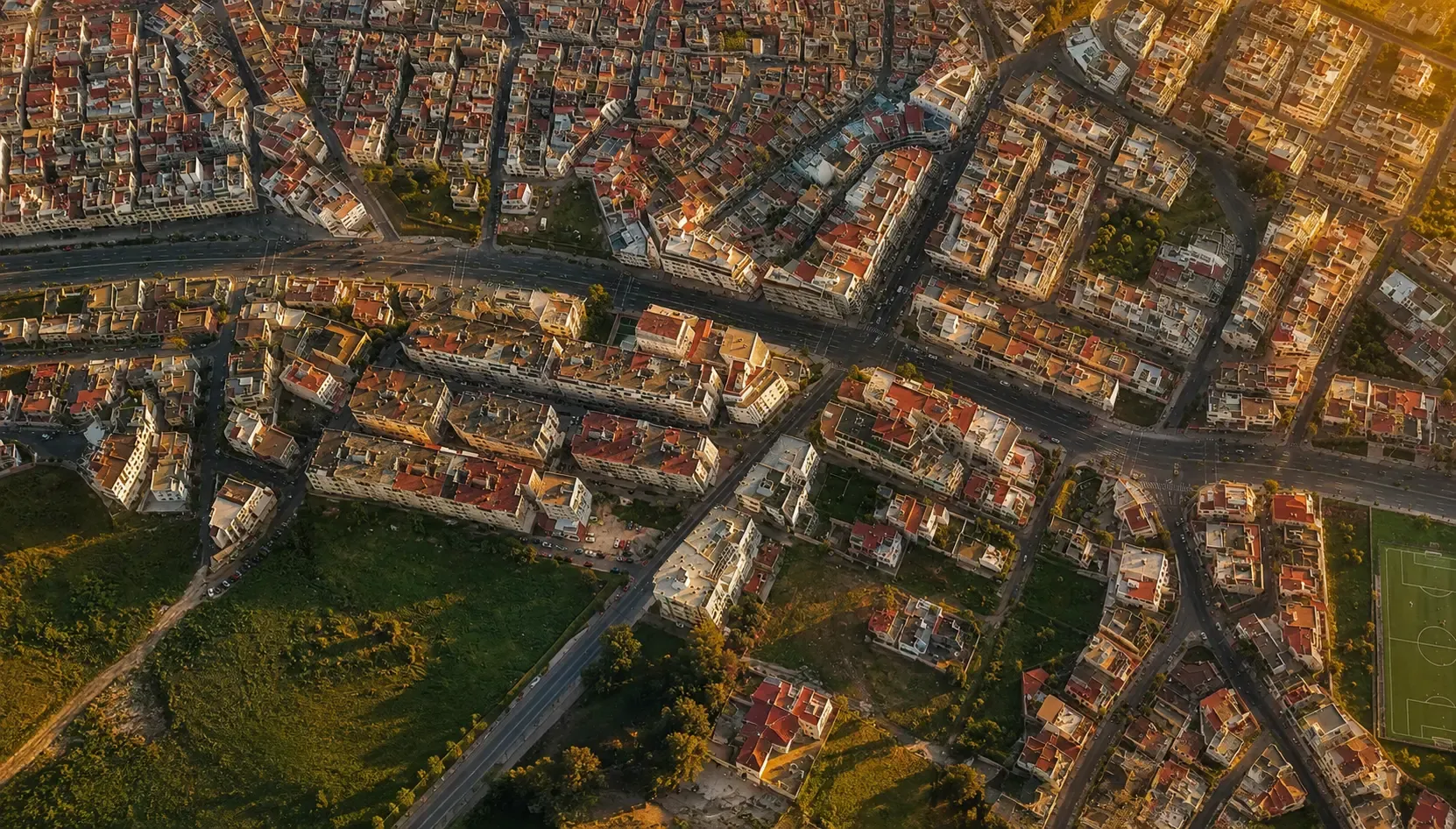
Since opening in 2007, Tanger Med Port has become the primary engine reshaping Tangier's property market, driving nearly two decades of rising values, new development, and investment demand across the city by transforming employment patterns and business infrastructure. The port officially opened in 2007 and handles over 9 million containers annually, making it Africa's busiest port and the Mediterranean's fourth-largest by volume. Tanger Med directly employs thousands and supports an estimated 20,000+ indirect jobs across logistics, customs, trucking, warehousing, and hospitality sectors—creating stable demand for rental housing and residential property. Global logistics companies like CMA CGM and Maersk established regional headquarters in Tangier due to port operations, attracting high-income expat workers seeking quality accommodations. Malabata and Tanja Balia neighborhoods have experienced significant property market transformation as port-related employment concentration strengthens rental demand. Infrastructure investment consequent to port growth—improved transportation, modernized utilities, and expanded retail services—benefits residential neighborhoods across Tangier. This economic foundation distinguishes Tangier from tourism-dependent Moroccan cities: port employment provides wage-earning tenant base less vulnerable to seasonal tourism fluctuations. International investors focused on buy-and-hold rental yields cite port proximity as crucial investment thesis—stable employment justifies 5–6% rental yields investors otherwise struggle to achieve in pure tourism markets.
How Tanger Med Port Is Reshaping Tangier’s Property Market
When Tanger Med Port officially opened in 2007, few predicted the seismic shift it would trigger across Tangier’s real estate landscape. Today, nearly two decades later, this mega-port has become the primary engine reshaping property values, development patterns, and investment demand across the city. Understanding Tanger Med port real estate trends has become essential for anyone considering a property purchase or investment in Tangier.
The port isn’t just a shipping hub—it’s a catalyst that has fundamentally altered how the city develops, who moves here, and where investors are placing their capital. Whether you’re looking to buy, invest, or understand the market forces at work in modern Tangier, the port’s influence is impossible to ignore.
The Scale of Tanger Med: A Gateway Reshaping North Africa
Tanger Med Port ranks among the world’s largest container ports by throughput, handling over 9 million containers annually. As Africa’s busiest port and the Mediterranean’s fourth-largest by volume, it has become the entry point for goods flowing into North Africa, West Africa, and beyond.
This scale matters for real estate because ports drive migration, economic activity, and infrastructure investment. Every ship that docks represents logistics jobs, warehousing needs, and workers requiring housing. The port’s expansion created demand that didn’t exist in pre-2007 Tangier—and that demand has directly shaped where developers build and where property values climb.
Direct Economic Impact: Jobs, Investment, and Population Growth
The port directly employs thousands and supports an estimated 20,000+ indirect jobs across logistics, customs, trucking, warehousing, and hospitality. That workforce needs somewhere to live. Families relocating to Tangier for port-related employment have driven sustained housing demand across residential districts.
Beyond employment, the port attracted multinational logistics companies to establish regional headquarters in Tangier. Companies like CMA CGM, Maersk, and others set up operations here, bringing middle and upper-management positions that command higher salaries—and drive demand for premium properties.
Tanger Med’s Influence on Tangier Real Estate Development Patterns
Strategic Location: Districts Closest to the Port Command Premium Growth
The port’s location at Tangier’s western edge has created a clear geography of opportunity. Districts with proximity to Tanger Med—or with good connectivity via new roads built to serve it—have seen accelerated development and appreciation.
Tanja Balia, the historic port district, has been completely reimagined as the old port relocated to Tanger Med. This waterfront area, once industrial and run-down, is now a mixed-use destination combining residential towers, maritime heritage, and leisure amenities. Property values in Tanja Balia have surged as developers recognized the district’s post-relocation potential.
Similarly, Malabata’s proximity to both the new port and the city center has made it one of Tangier’s most sought-after coastal neighborhoods. The combination of port-driven economic growth and natural coastal appeal has positioned Malabata as a luxury residential destination.
Infrastructure Investment Cascading from Port Development
Tanger Med Port demanded new infrastructure—roads, railways, customs facilities, and utilities. These investments didn’t stop at the port; they cascaded inland, upgrading Tangier’s entire transportation network.
New arterial roads, the improved rail connection to Fez and Marrakech, and enhanced utility infrastructure make previously remote or inaccessible districts suddenly viable for residential development. Route de Rabat, a southern corridor corridor, has become increasingly attractive as infrastructure improved, transforming it from a overlooked area into a residential investment corridor with genuine growth potential.
Where Tanger Med Port Impact Shows Most Clearly in Real Estate
Emerging Districts: New Supply Meeting Port-Driven Demand
The port’s success attracted capital—both domestic and international. Developers recognized that Tangier’s infrastructure and port-proximity could support new neighborhoods at scale.
Districts like Ghandouri, an emerging luxury residential district increasingly favored for larger-format units, have grown substantially as developers capitalized on port-driven demand. Projects here target middle and upper-management professionals attracted by port-related opportunities—buyers with purchasing power and interest in modern, higher-end properties.
Similarly, mixed-use projects like Tanger City Center—anchored by hospitality and office space—benefit directly from Tangier’s port-driven business climate. The port creates the economic activity that justifies hospitality and commercial real estate investment.
Waterfront Transformation: From Industrial to Mixed-Use Destination
The port’s relocation freed Tangier’s historic waterfront from industrial use. The old port district—now Tanja Balia—has been systematically redeveloped as a leisure and residential destination. Marina Bay, another waterfront project, combines the port’s continued presence with residential living, dining, and entertainment.
This transformation represents hundreds of millions in real estate value creation. Waterfront land that once hosted cargo containers now commands premium prices as apartments, restaurants, and cultural spaces.
Investment Opportunities Created by Tanger Med Port Real Estate Dynamics
Port-Adjacent Premium Properties
Properties with direct or near views of the port, or located in districts explicitly developed to serve the port’s workforce, have become investment assets. These include:
- Waterfront residential units in Marina Bay and redeveloped Tanja Balia, combining leisure amenities with port-district connectivity
- Service-sector housing in accessible, well-connected mid-market districts for port workers and logistics professionals
- Premium units in port-proximity luxury districts like upper Malabata and Ghandouri, targeting executive-level buyers
- Commercial and office real estate serving logistics and port-related businesses
Supply and Absorption: Consistent Housing Demand
The port creates steady, predictable housing demand. Unlike speculative real estate markets that boom and bust, port-driven demand is structural: as long as the port operates—and all evidence suggests it will grow—people need housing near it.
This has attracted serious developers to Tangier. Major developers working across Tangier’s market recognize that port-driven demand creates a foundation for sustainable projects with strong absorption rates and rental yields.
Challenges and Realistic Considerations
Not Every District Benefits Equally
While the port has elevated the market overall, its benefits concentrate in certain districts. Properties far from the port, without good road access, or in neighborhoods perceived as aging or less desirable have seen slower appreciation or stagnation.
This means location and connectivity matter more than ever. A property’s proximity to major roads, the city center, and the port corridor significantly influences its appreciation trajectory.
Price Growth Has Already Been Substantial
The port’s strongest impact on real estate values occurred in the 2010s, when its transformative effect was still being priced in. Current prices in prime port-adjacent areas like Malabata and central Tanja Balia already reflect substantial port-driven appreciation.
This doesn’t mean these areas won’t continue appreciating—they likely will—but early-stage returns are behind us. Investors seeking port-related real estate opportunities now should look at secondary locations with improving connectivity and emerging status rather than already-saturated premium districts.
The Broader Outlook: Port-Driven Tangier in 2026 and Beyond
Expansion Plans and Continued Infrastructure Investment
Tanger Med Port has plans to expand further, with new terminal projects and capacity increases already underway. These expansions will trigger another round of infrastructure investment, supporting districts currently in early-stage development.
For real estate investors, this means infrastructure improvements beyond the immediate port area are likely. Secondary districts with good strategic positioning—accessible via improved roads but still undervalued relative to prime waterfront locations—may offer compelling opportunities.
Diversification Beyond Container Shipping
The port is increasingly diversifying into automotive logistics, pharmaceutical distribution, and other sectors. This broadens the economic base and creates new categories of employment—potentially supporting even more diverse housing demand than traditional port work.
Making Property Decisions in a Port-Driven Market
If you’re considering buying or investing in Tangier real estate, understanding the port’s role is essential. Tanger Med port development impact has created winners and losers in the real estate market—and understanding which is which determines success.
Properties in port-adjacent districts with strong fundamentals—established connectivity, planned infrastructure, mixed-use character—are likely to continue appreciating. Properties in remote or aging districts, without clear port-related demand drivers, may underperform.
Before committing capital to a Tangier property, clarify:
- How does the district connect to the port and major infrastructure?
- What employment sectors does the district serve—and are they port-related or diversified?
- Has the district already appreciated substantially, or is it still emerging?
- Are major developers actively building there—a sign of market confidence?
- What’s the rental demand and yield profile if you’re investing for income?
These questions help distinguish genuine port-driven opportunity from speculation.
Next Steps: Connect With Tangier Real Estate Experts
Navigating port-driven real estate dynamics requires local expertise. Understanding how Tanger Med Port is reshaping specific neighborhoods, identifying undervalued districts with genuine growth potential, and structuring deals that work for your goals—these require more than generic research.
If you’re seriously considering a property purchase or investment in Tangier, take time to understand the specifics of your target district. How does it connect to the port? What’s driving demand there? What do comparable sales and rental data suggest about appreciation?
Reach out to Immoworld’s advisory team to discuss your Tangier real estate goals. We work directly with the market, understand the port’s evolving impact on different neighborhoods, and can help you identify opportunities aligned with your timeline and investment objectives. Whether you’re looking at current available properties, exploring financing options, or simply trying to understand which districts make sense for your situation, we’re here to provide clarity in a market that’s being reshaped every year by one of Africa’s most important pieces of infrastructure.