
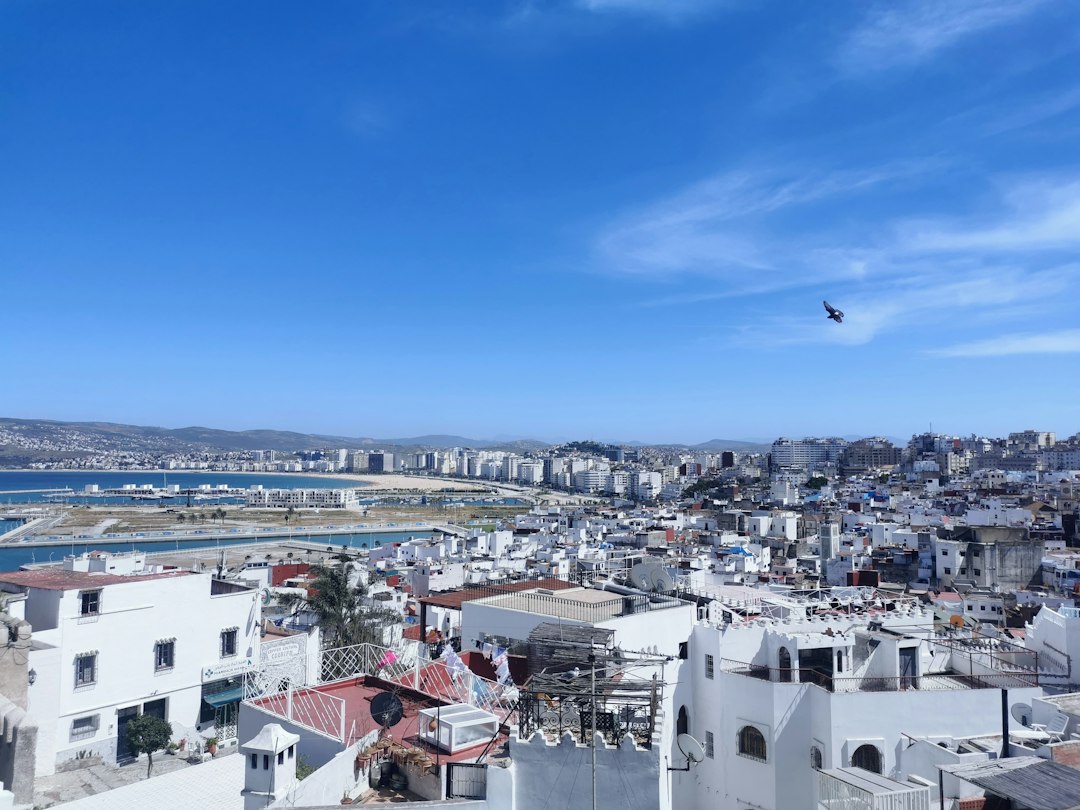
Off-plan property sales in Tangier surged significantly in 2026, driven by a combination of international buyer interest, major infrastructure investments like the TGV rail connection and Tanger Med expansion, and increased developer confidence. The rise reflects a fundamental shift in how both domestic and foreign investors view Tangier's long-term potential, with developer activity expanding across multiple neighborhoods and price points. This growth has reshaped inventory distribution and accelerated property appreciation across the city's emerging and established residential corridors.
What Drove the 2026 Off-Plan Surge?
The sharp increase in off-plan sales volume during 2026 emerged from several interconnected factors. First, Morocco's Vision 2030 strategy positioned Tangier as a critical economic hub, directing substantial capital toward port modernization, rail infrastructure, and urban renewal projects. These initiatives signaled long-term growth to investors who had previously viewed Tangier as a secondary market.
Second, foreign buyer interest reached new heights. International purchasers, particularly from Europe and the Gulf, discovered that Tangier offered Mediterranean lifestyle at roughly half the cost of equivalent properties in Spain or southern France. Off-plan units gave these buyers the chance to secure modern finishes and flexible payment terms—critical advantages when managing currency and international fund transfers.
Third, established developers expanded their pipelines aggressively. Major Tangier developers recognized the surge in demand and launched new projects across neighborhoods ranging from waterfront corridors like Boulevard Mohamed VI to emerging districts like Ghandouri and Malabata Hills. Off-plan models allowed developers to secure pre-sales funding, de-risk construction, and scale production faster than traditional build-for-sale methods.
Where Did Off-Plan Growth Concentrate?
Off-plan activity in 2026 did not distribute evenly across Tangier. Certain neighborhoods emerged as clear development hotspots, driven by accessibility, infrastructure proximity, and target buyer demographics.
Waterfront and Port-Adjacent Areas: Tanja Balia, anchored by the Gare Maritime and port-relocation benefits, became a focal point for mid-market apartments and compact studios aimed at relocating port workers and service professionals. Developers launched several 50–150-unit projects here, priced between €85,000 and €200,000 per unit. Similarly, Marina Bay attracted luxury-focused off-plan inventory, with waterfront apartments commanding €250,000 to €600,000.
Emerging Luxury Corridors: Ghandouri and Malabata Hills became the primary destinations for larger-format units—2–4 bedroom apartments and penthouses aimed at affluent foreign buyers. Developers launched 12–25 unit buildings here, many with sea views or proximity to golf and leisure amenities, priced between €300,000 and €1.2 million.
Central Business and Mixed-Use Districts: Quartier Administratif and Tanger City Center attracted office-residential hybrids and compact apartments for investors seeking short-term rental yields. Off-plan studios and 1-bedroom units in these zones ranged from €100,000 to €180,000, with expected rental returns of 5–7% annually.
Developer Confidence and Project Scale
The 2026 surge in off-plan sales correlated directly with expanded developer activity. Many of Tangier's most active partners—including Aafer Groupe, Eagle Hills Morocco, Amanah Real Estate, and El Guartit Groupe—released multiple new off-plan projects simultaneously. This represented a meaningful shift from 2025, when many developers remained cautious about pipeline expansion.
Projects also shifted toward higher unit counts and mixed-use formats. Instead of single 40-unit residential buildings, developers launched 150–300 unit complexes combining apartments, commercial space, parking, and shared amenities. This bundling approach reduced per-unit infrastructure costs and attracted institutional investors alongside retail buyers.
Payment structures also became more flexible. Many 2026 off-plan offers featured 20–30% down at reservation, with construction-stage payments spread over 24–36 months, and 10–20% retained until handover. This flexibility was critical for attracting foreign buyers managing international transfers and currency fluctuations.
Key Neighborhoods and Typical Pricing
- Malabata and Malabata Hills: 2–3 bedroom off-plan apartments, €350,000–€700,000; modern finishes, sea views, completion 2026–2027.
- Ghandouri: Penthouses and 3–4 bedroom units, €400,000–€1.1 million; luxury finishes, some with private terraces and panoramic views.
- Marina Bay: Waterfront studios and 1-bedroom units, €200,000–€400,000; finished 2026–2027; direct marina and leisure access.
- Tanja Balia: Compact 1–2 bedroom apartments, €110,000–€220,000; practical layouts for investors; near Gare Maritime and port amenities.
- Quartier Administratif: Studio and 1-bedroom apartments, €95,000–€165,000; high demand from rental-focused investors.
- Boulevard Mohamed VI: Mixed-use apartments and retail, €140,000–€300,000; completion 2026–2027; commercial ground floors with residential above.
Why Foreign Buyers Drove Off-Plan Demand
International purchasers dominated 2026 off-plan demand for several reasons. Off-plan purchases aligned with Morocco's legal framework for foreign ownership—property ownership rules for foreigners permit direct purchase of apartments without restriction, and the off-plan model included built-in VEFA (Vente en l'État Futur d'Achèvement) protections that foreign legal advisors trusted.
Additionally, off-plan units offered modern construction standards and finishes that matched European or Gulf expectations, eliminating surprises. Foreign buyers could see plans, renderings, and building samples before committing, and flexible payment timelines accommodated the complexity of international fund transfers and banking regulations.
Currency benefits also mattered. Between early 2026 and project completion in late 2026 or 2027, the euro or pound often appreciated against the Moroccan dirham, reducing the effective purchase price for buyers converting foreign currency. This timing advantage—locking in today's rate while spreading payments across 2–3 years—motivated early commitment to off-plan projects.
Market Implications and Forward Momentum
The 2026 off-plan surge carried broader implications for Tangier's real estate trajectory. First, it signaled developer and institutional confidence that survived earlier market skepticism. Major developers would not have launched 500+ new units if they doubted absorptive capacity or buyer commitment. Second, it shifted inventory composition toward newer, modern buildings with contemporary finishes and amenities—raising average quality standards across the city. Third, it created a momentum narrative that attracted additional foreign interest, feeding a self-reinforcing cycle of inquiry, pricing inquiry, and purchase commitment.
However, the surge also created supply pressure. By late 2026, many prime sites in central neighborhoods were committed to off-plan projects, reducing available land for future development and potentially moderating price growth if supply eventually outpaced demand. Developers and investors should monitor absorption rates carefully to ensure that 2026's pipeline optimism translates into actual sales and occupancy, not speculative overbuilding.
What Buyers Should Know Before Committing
For investors considering off-plan purchases in 2026 and beyond, several protections and due diligence steps remain essential. Morocco's VEFA framework provides legal safeguards—escrow accounts secure buyer funds, structural inspections verify build quality, and notarial involvement ensures transparent contracts. However, buyer diligence remains critical: verify developer track records, inspect construction sites, review financing terms carefully, and engage local legal counsel before signing reservation agreements.
Currency and timing also matter. Foreign buyers should understand how exchange rate movements affect final cost and consider locking exchange rates early if possible. Payment schedules should align with your financing timeline—if a loan takes 6 months to arrange, ensure the developer's payment schedule accommodates that delay.
Finally, inspect available current Tangier off-plan inventory and compare pricing across developers. Market conditions in 2026 remain favorable, but transparency and informed comparison protect your investment far more effectively than rushing into a prestige project simply because construction has begun.
Conclusion: A Turning Point for Tangier's Market
The sharp rise in off-plan sales during 2026 represents a genuine inflection point for Tangier's real estate market. For years, skeptics questioned whether international investment would ever exceed local demand, or whether infrastructure promises would materialize. The 2026 off-plan surge answered both questions affirmatively, demonstrating that serious capital—from established developers and foreign buyers alike—now views Tangier as a legitimate long-term asset, not a speculative opportunity.
If you're exploring off-plan opportunities in Tangier, this momentum creates genuine advantages: modern construction, transparent legal frameworks, and developer reputations now riding on execution quality. At the same time, market tightness means fewer true bargains and more selective buyer power. Reach out to our advisory team to explore current off-plan projects, assess neighborhoods aligned with your investment goals, and navigate the purchase process with local expertise and international experience.