
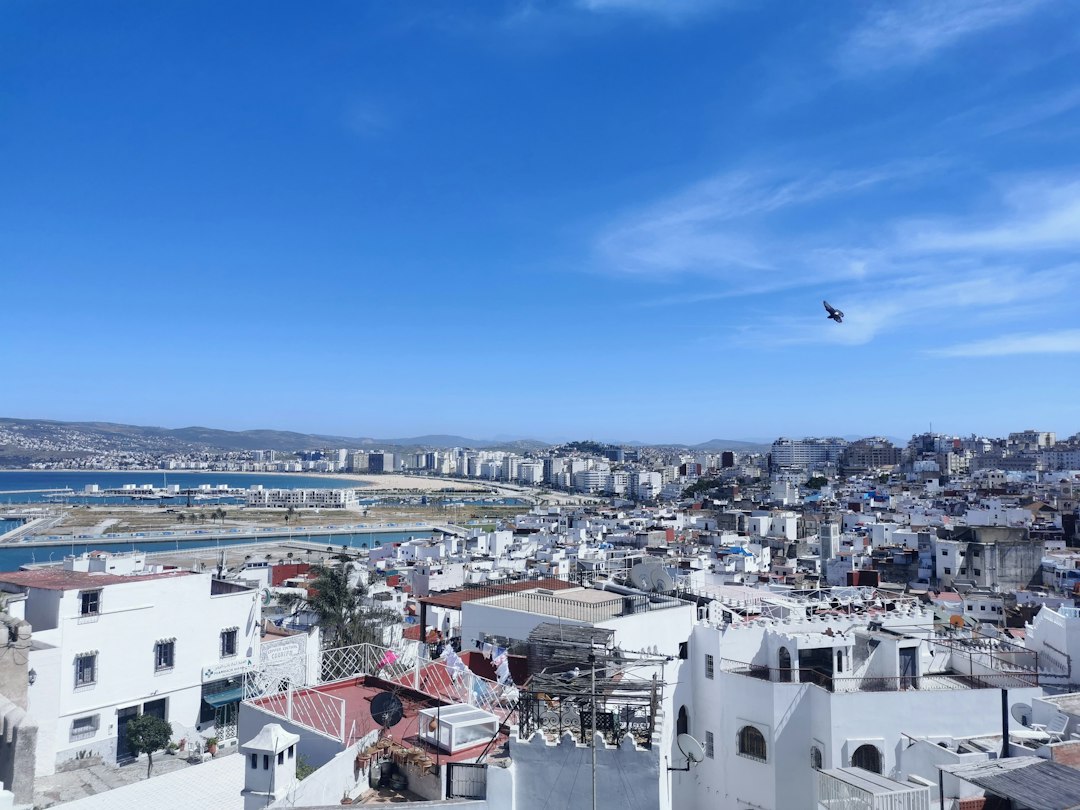
Mortgage approval rates for non-residents buying property in Morocco remain challenging in 2026, with approval rates typically between 40–50% depending on the lender and your financial profile. Most Moroccan banks require non-resident buyers to provide a down payment of 20–40%, proof of stable foreign income (usually 2–3 years of tax returns), and substantial liquid reserves. Processing timelines extend 2–3 months minimum, and many lenders prefer that buyers already hold accounts with their institution or come through trusted real-estate referrals. The practical reality is that financing alone is rarely the deciding factor for international buyers—cash purchases, developer payment plans, and holding mortgages from home countries often prove faster and simpler than navigating local lending.
Why Non-Resident Mortgages Are Harder to Obtain in Morocco
Moroccan banks treat non-resident borrowers as higher-risk customers. Without a local employment record, permanent residency status, or a personal banking history in Morocco, lenders cannot easily verify your income sustainability or collateral security in the way they do for Moroccan nationals. The Central Bank of Morocco also imposes stricter foreign-exchange regulations that make it complex for banks to monitor long-term repayment from abroad.
Currency risk adds another layer. If your income is in euros, dollars, or pounds, and you're borrowing in Moroccan dirhams, the exchange rate fluctuation can make your monthly payments unpredictable. Banks factor in this volatility by demanding higher equity cushions upfront, which is why down-payment requirements for non-residents typically run 30–40% rather than the 10–20% expected from Moroccan buyers.
Current 2026 Requirements for Non-Resident Mortgage Applicants
The baseline requirements for a non-resident mortgage in Tangier have remained relatively consistent through 2026, though lending appetite has tightened slightly as central bank rates climbed through the first half of the year. Here's what you'll typically need:
- Down payment: 20–40% of the purchase price, paid upfront or from a reserve account
- Income verification: 2–3 years of personal tax returns, salary slips, or business accounting statements in your home country
- Liquid reserves: Proof of 12–24 months' worth of mortgage payments held in a bank account
- Employment letter: A contract or letter from your employer confirming current employment and income stability
- Credit history: Moroccan banks increasingly request a credit report from your home country; some now use international credit bureaus
- Property appraisal: An independent appraisal by a bank-approved surveyor (cost: typically 2,500–5,000 MAD)
- Residency or visa: Though not always mandatory, holding a resident's card or multi-entry visa strengthens your application significantly
Which Banks Are Most Open to Non-Resident Lending?
In Tangier, three Moroccan banks dominate the non-resident mortgage space: Attijariwafa Bank, BMCI, and Bank of Africa. Each has slightly different thresholds and risk tolerances.
Attijariwafa Bank is generally the most open to international buyers, particularly those with strong income documentation and down payments above 35%. They've built relationships with European buyers over two decades and move faster than competitors—though "faster" still means 6–8 weeks minimum for full approval.
BMCI (Banque Marocaine pour le Commerce et l'Industrie), a subsidiary of Crédit Agricole, tends to approve higher loan amounts for non-residents but demands more rigorous employment verification and formal appraisals. They're excellent if you have a substantial down payment and solid income proof, but slower on processing (8–10 weeks is normal).
Bank of Africa occupies a middle ground—accessible to non-residents with decent credit profiles but less forgiving of incomplete documentation. They're faster than BMCI but more cautious than Attijariwafa.
Smaller banks like Banque Populaire or Al Baraka occasionally offer non-resident mortgages but typically at higher rates and with more restrictive terms. Your best strategy is to have your real-estate agent or notary ask which lenders they've worked with successfully on recent non-resident deals in your price range.
Tangier Property Prices 2026 and Mortgage Impact
As Tangier property trends 2026 continue to shift upward, driven by infrastructure projects and diaspora investment, mortgage approval thresholds have become more stringent. A non-resident buying a €300,000 apartment now needs to demonstrate €60,000–€120,000 in liquid reserves plus income documentation—a significantly higher bar than in 2023.
This has created a bifurcation in the market: buyers with substantial equity or cash reserves move quickly, while those relying primarily on mortgage financing face longer delays and lower approval odds. Properties in premium areas like Iberia and Malabata occasionally attract international mortgage interest, but most lenders cap their loan-to-value ratio at 60–70% for luxury properties over €400,000, effectively requiring larger down payments.
Mortgage Rates in 2026: What Non-Residents Actually Pay
Interest rates for non-resident mortgages in Morocco have remained elevated through 2026 compared to European benchmark rates. Most banks offer rates between 4.5% and 6.5% for 15–20 year terms, depending on market conditions, the lender, and your down payment size. Buyers with 40% down and strong income documentation may qualify for rates near 4.5%; those with 20% down typically see rates closer to 5.5–6%.
These rates have shifted upward from 2024–2025 levels, reflecting both the Central Bank of Morocco's monetary policy stance and the broader global rise in real interest rates. If you're comparing a Moroccan mortgage to refinancing a home loan in your country of residence, the Moroccan rate often looks higher—but remember that you're also building equity in an appreciating asset in a market that has outpaced inflation.
Developer Financing as an Alternative
Many international buyers in Tangier bypass traditional bank mortgages entirely by using developer financing. Large developers like Aafer Groupe, Eagle Hills Morocco, and Amanah Real Estate frequently offer structured payment plans that allow buyers to pay 20–30% upfront and stage the remainder across 2–4 years, aligned with construction milestones or final handover.
Developer financing typically carries no formal interest rate (the cost is embedded in the property price) and requires far less documentation than a bank mortgage. The trade-off is that you're assuming construction risk—if the developer encounters delays or financial trouble, your payments and timeline could be affected. However, Morocco's VEFA (Vente en l'État Futur d'Achèvement) framework provides buyer protections, and escrow accounts now hold deposits securely.
For off-plan purchases in Tangier, developer financing remains the most popular route for international buyers, particularly those buying their first property abroad or seeking to avoid the complexity and delays of bank mortgages.
Processing Timelines and Red Flags
A complete non-resident mortgage application in Tangier typically requires 8–12 weeks from submission to final approval. Here's a realistic breakdown:
- Initial assessment (weeks 1–2): Bank reviews documents, requests any missing items, orders property appraisal
- Appraisal and verification (weeks 3–5): Surveyor inspects property; bank contacts your employer or requests additional income verification
- Underwriting decision (weeks 6–9): Bank's credit committee reviews your full file and makes an approval or rejection decision
- Conditional approval and notary coordination (weeks 10–12): Once approved, your notary arranges the formal mortgage deed (acte hypothécaire) and purchase contract finalization
Red flags that slow down or derail applications include incomplete tax documentation, employment letters that lack official letterhead or contact information, gaps in income history, previous mortgage defaults (even minor ones) appearing in international credit checks, or a property appraisal that comes in below the purchase price. If your surveyor's valuation is lower than what you're paying, the bank will only lend against the appraised value—forcing you to increase your down payment immediately.
Currency Considerations and Risk Management
Since most non-residents earn income in currencies other than the Moroccan dirham, exchange-rate risk is real. If you're a British buyer paying a £200,000 mortgage in dirhams, a 10% sterling weakness against the dirham increases your monthly payment by 10% in pound terms—even though the dirham amount stays constant. Some buyers hedge this risk by holding a portion of their reserves in dirhams or by choosing shorter mortgage terms (10–12 years instead of 20) to minimize long-term currency exposure.
Moroccan banks do not typically offer fixed-rate mortgages tied to foreign currencies. Your options are (1) accept dirham-denominated payments and currency risk, or (2) use an international mortgage broker to arrange financing from your home country—a slower process but one that lets you lock in your home currency rate.
Working with a Notary and Real-Estate Agent
Your notary and real-estate agent are your two most important advisors in the mortgage approval process. A knowledgeable agent who specializes in non-resident sales can tell you upfront which banks are likely to approve your application, what documentation gaps you'll need to fill, and realistic timelines. A good notary—one familiar with international mortgage transactions—will coordinate with the bank on the formal deed (acte hypothécaire), ensure your purchase contract aligns with the bank's requirements, and flag any legal issues that might trigger a mortgage rejection.
For property options and neighborhoods most favored by international buyers in 2026, our full property listing filters by price range and area. And if you're evaluating closing costs and notary fees, our notary fees calculator provides an accurate estimate of how much you'll pay in registration and notary costs on top of the purchase price—crucial for budgeting your total cash requirement.
Your Next Steps
If you're a non-resident considering a mortgage for a Tangier property in 2026, start by gathering your last three years of tax returns and employment letters now. Reach out to a lender informally to gauge whether your profile qualifies, and get a clear sense of the down payment they'll require. Then speak with a real-estate advisor at Immoworld who can identify neighborhoods and properties aligned with your budget and connect you with developers or resale properties that fit your timeline—whether that's financed through a bank mortgage, developer payment plan, or cash.
The 2026 Tangier property market rewards prepared, decisive buyers. Non-resident mortgages are feasible, but they're not the fastest or simplest path forward. Understanding your options beforehand means you won't waste time pursuing approvals unlikely to materialize, and you'll position yourself to move quickly when the right property appears.