
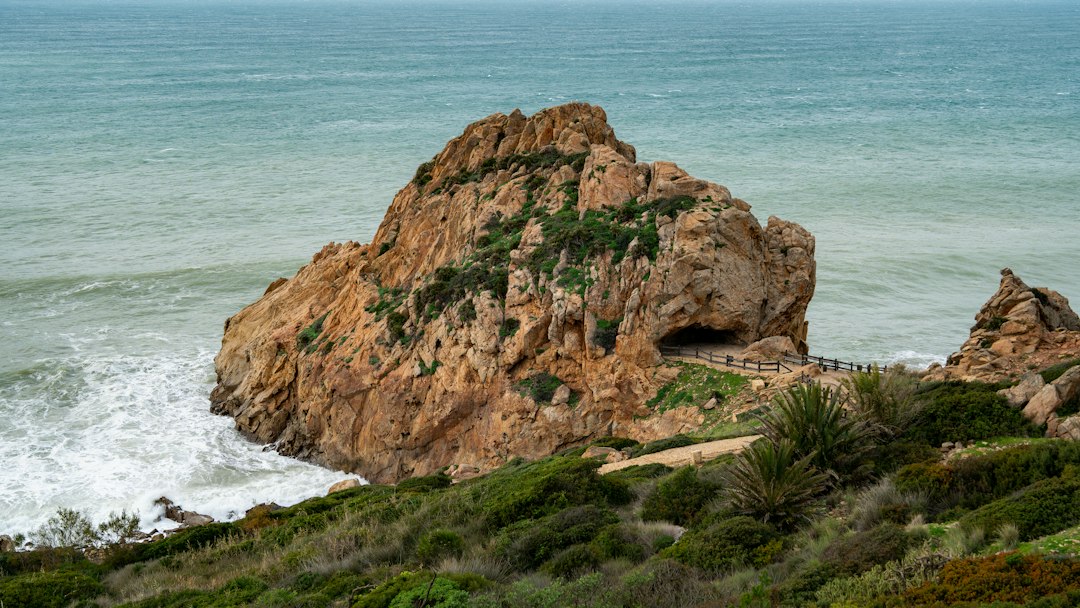
Tanger Med's continued expansion in 2026 is fundamentally reshaping property demand across Tangier by attracting international business activity, port workers, and service-sector employees to the city. The port complex—already one of the world's largest container facilities—is driving sustained rental demand in residential districts near transport corridors and city services, while simultaneously pushing investor interest toward new-build projects from established developers offering modern finishes and flexible payment structures. This economic momentum has lifted property prices in traditionally undervalued neighborhoods, created new interest in luxury segments, and positioned Tangier as a Mediterranean investment alternative to overheated European coastal markets.
The Tanger Med Economic Engine: Why Port Expansion Matters to Property
Tanger Med operates as a specialized economic zone with its own regulatory framework, making it structurally independent from broader Moroccan real estate cycles. The port handles container traffic, automotive logistics, and industrial transshipment—activities that generate consistent employment demand for port operators, truck drivers, logistics coordinators, warehouse staff, and management roles. This employment base does not fluctuate with tourism or consumer spending; it grows with global supply chains.
In 2026, the port is expanding capacity further, signaling sustained operational growth. Each expansion wave brings fresh waves of skilled workers requiring housing close to their workplace—typically within 20–40 minutes by car or public transit. This creates reliable, predictable rental demand in districts connected to the port by major corridors, which in turn attracts investor interest in residential development and stabilizes property valuations in otherwise overlooked neighborhoods.
Where Tanger Med Employment Growth Is Reshaping Neighborhood Demand
Tanger Med's geographic location near Boukhalef, south of the city center, naturally redirects commuter flow and residential interest toward districts along the southern and eastern approaches. The following neighborhoods are experiencing measurable uptick in investor activity and rental tenant demand:
- Tanja Balia – The port district itself has undergone urban renewal and is now home to maritime offices, service sectors, and emerging residential blocks. Foreign investors are beginning to discover Tanja Balia as an emerging corridor with genuine development momentum.
- Route de Rabat – The southern approach road has experienced quiet infrastructure investment and is attracting residential development aimed at port-adjacent workers. Route de Rabat offers peaceful, everyday convenience with straightforward road access to Tanger Med.
- Meghogha – The eastern residential area benefits from direct road connectivity and has attracted new apartment blocks from developers targeting mid-market tenants and investors.
- Boulevard Mohamed VI – The waterfront corridor continues to attract premium investment, combining port-district accessibility with commercial and hospitality infrastructure that serves both residents and business travelers.
- Quartier Administratif – The city center remains a premium choice for managers and executives whose work spans both the port and downtown offices, offering lifestyle amenities alongside commute convenience.
Each of these neighborhoods now attracts a different investor profile—owner-occupiers seeking rental income, international fund managers building small portfolios, and developers betting on sustained tenant demand.
Investor Interest Shifts: From Tourism to Workforce Housing
Traditional Tangier real estate investment focused heavily on holiday rental properties aimed at seasonal visitors—a dynamic that depended on tourism volatility and currency fluctuations. Tanger Med's expansion has introduced a more stable, employment-driven demand model that appeals to conservative investors.
In 2026, property listings across Tangier increasingly reflect this shift. Developers are building more compact, efficiently designed apartments (studios and one-bedroom units) rather than sprawling vacation villas. Off-plan projects emphasize reliability, modern amenities, and transparent payment schedules rather than luxury finishes or beachfront positioning. This represents a fundamental change in how developers market property—less romance, more predictability.
The price implications are significant. Neighborhoods far from traditional tourist zones (like Tanja Balia or Route de Rabat) have experienced steady price appreciation as investor confidence in workforce demand grows, while premium beachfront districts have seen growth slow in comparison, as international leisure buyers reassess value against employment-driven rental demand.
Morocco Real Estate Investment 2026: Tanger's Competitive Advantage
Morocco's national real estate market in 2026 is competitive, with Marrakech and Casablanca attracting international interest and driving prices higher. Tangier's advantage lies in Tanger Med's economic independence: the port's growth is not contingent on Moroccan domestic consumption, European tourism, or foreign-direct-investment sentiment. It operates on global supply-chain logic.
For investors evaluating Morocco property markets, this distinction matters. Tangier offers:
- Predictable employment-driven rental demand independent of tourism cycles
- Lower entry prices compared to Marrakech or Casablanca for equivalent-quality apartments
- International port activity that attracts multinational corporations and skilled workers seeking 2–5 year rental terms
- Established developer networks offering transparent off-plan frameworks and VEFA legal protections
- Mediterranean lifestyle at a fraction of European coastal property costs
This makes Tangier particularly attractive to investors seeking cash-flow returns over capital appreciation—a shift from pure speculation toward steady, income-generating portfolio building.
Developer Response: Off-Plan Projects Aligned with Workforce Housing Demand
Morocco's established developers have recognized this shift. Projects launched or accelerated in 2026 across Tangier increasingly target mid-market residential buyers and rental investors rather than luxury vacation segments. Developments in Tanja Balia, Route de Rabat, and Meghogha are designed around efficiency, modern shared services, and family-sized layouts suitable for relocation scenarios.
Payment structures reflect this too. Developers now offer longer off-plan payment windows (36–48 months) aligned with port workers' salary cycles, rather than requiring lump-sum deposits traditional to tourism-oriented luxury projects. This democratizes access to modern, reliable housing and attracts smaller investors who lack the capital for pure-speculation deals.
For foreign buyers, this represents an opportunity to purchase from experienced developers with proven delivery records in an environment where workforce demand provides downside protection for rental income assumptions.
Currency and Affordability: Why 2026 Timing Matters
The Moroccan dirham's stability in 2025–2026 has made Tangier property more accessible to euro and dollar-denominated investors. A €150,000 apartment purchase today delivers similar rental income to the same purchase in 2023, but with fresher finishes and port-aligned tenant demand profiles. This creates genuine value for investors who had hesitated in prior years due to currency volatility or supply uncertainty.
Tangier property pricing in 2026 reflects supply-and-demand equilibrium in many districts—meaning investors are buying at fair value rather than speculative markups. This contrasts favorably with Marrakech or Casablanca, where international interest has compressed margins.
Practical Steps for 2026 Investors: Where to Start
If you're considering Tangier property investment motivated by Tanger Med employment demand, clarity on budget, timeline, and rental-income expectations is essential. The purchase process itself—notary verification, escrow protection for off-plan units, tax obligations—follows Morocco's national framework, but your success hinges on choosing a neighborhood aligned with actual tenant demand.
Contact an advisory team familiar with both Tanger Med labor patterns and Tangier's residential landscape. Immoworld's team can walk you through neighborhood specifics, developer track records, and financing options tailored to your timeline. Understanding notary fees and closing costs upfront also prevents budget surprises and helps you model true investment returns.
What Tangier Property Trends in 2026 Tell Us About 2027 and Beyond
Tanger Med's expansion is not a temporary phenomenon. Global supply chains continue to shift away from Far Eastern bottlenecks and toward North African ports. Tangier is benefiting from this secular trend, not cyclical tourism recovery or speculative real estate bubbles. This means property demand driven by port employment should remain stable through 2027 and into the next decade.
Smart investors recognizing this pattern in 2026 are buying not for quick flips, but for 5–10 year hold periods generating steady rental income. Property appreciation in Tangier neighborhoods driven by workforce demand tends to be gradual and stable—not glamorous, but reliable.
Conclusion: Tanger Med Is Tangier's Economic Future
Tanger Med's 2026 expansion is reshaping Tangier's property market from a tourism-dependent, speculative landscape into a workforce-driven, income-generating opportunity. This shift creates genuine investment value for international buyers comfortable with moderate returns and long-term holds rather than quick appreciation. Neighborhoods connected to the port by reliable transport—from Tanja Balia to Route de Rabat—are experiencing measurable price appreciation and rental-income stability. Morocco's real estate investment landscape in 2026 is competitive, but Tangier's structural advantage lies in Tanger Med's independence from consumer spending and tourism cycles. If you're exploring Tangier property investment in 2026, focus on workforce-aligned neighborhoods, established developers with transparent off-plan frameworks, and realistic cash-flow assumptions rather than capital-appreciation fantasies. The opportunity is genuine, but success requires discipline and local expertise. Get in touch with our advisory team to explore how Tangier aligns with your investment goals.