
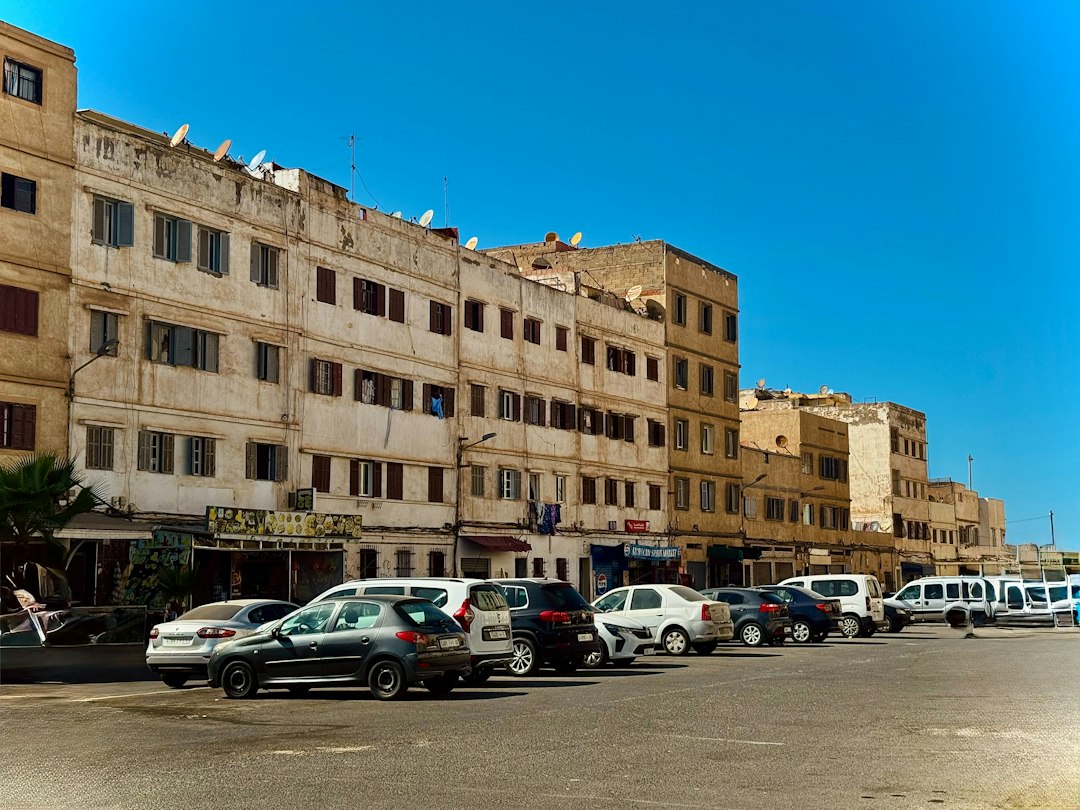
Hirahome has announced a significant new residential development in Tangier, adding to the city's expanding off-plan property inventory. The project combines modern construction standards with structured payment flexibility, positioning it for both owner-occupiers and rental investors seeking exposure to Tangier's growing real estate market. Understanding the project's location, pricing, timeline, and legal protections—particularly Morocco's VEFA off-plan framework—helps you evaluate whether this development aligns with your investment or lifestyle goals.
About Hirahome and Their Tangier Strategy
Hirahome has positioned itself as an active player in Tangier's residential development landscape, focused on delivering modern apartments with investor-friendly payment terms and quality finishes. The developer's approach reflects broader trends in Tangier's off-plan market, where developers increasingly cater to diaspora buyers, international investors, and first-time homebuyers seeking contemporary housing in well-connected neighborhoods.
As one of Immoworld's partner developers, Hirahome benefits from platform exposure and institutional partnership that enhances buyer confidence. Understanding the developer's background, completed projects, and track record—particularly handover timelines and buyer satisfaction—forms part of any serious investment decision.
Project Location and Neighborhood Context
The strategic positioning of Hirahome's new project within Tangier's real estate geography directly influences its appeal to different buyer profiles. Tangier's most sought-after neighborhoods for new residential development include central corridors like Av. Moulay Rachid, waterfront zones like Boulevard Mohamed VI, and emerging luxury districts such as Ghandouri.
Neighborhood selection matters significantly because it determines walkability, proximity to amenities, rental demand, and long-term appreciation potential. Central locations attract owner-occupiers and holiday rental investors; waterfront zones command premium pricing; hillside and emerging neighborhoods offer value positioning and growth momentum.
Project Specifications and Unit Mix
New Hirahome projects typically feature a range of unit types designed to appeal across the buyer spectrum:
- Studios and 1-bedroom apartments — compact, efficient layouts targeting first-time buyers and short-term rental investors seeking strong yield potential
- 2-bedroom and 3-bedroom units — larger family-oriented apartments for owner-occupiers and investors seeking medium-term rental income
- Penthouses and higher-end units — premium finishes and sea-view positioning for luxury-segment buyers and high-net-worth investors
Modern Tangier developments from established builders like Hirahome typically include contemporary amenities: air conditioning, quality kitchen fixtures, modern bathrooms, and in some cases gym facilities, co-working spaces, or rooftop gardens. Finish levels vary by unit price segment—entry-level units often feature durable, functional finishes; premium units showcase high-end materials, smart home features, and designer appointments.
Pricing Strategy and Payment Structure
Hirahome projects typically employ phased payment structures designed to reduce buyer risk and accommodate financing requirements. A common structure involves:
- Reservation deposit (5–10% of purchase price) — secures the unit while you arrange financing and conduct legal verification
- Staged construction payments (30–50% split across project phases) — paid as construction milestones are reached, protecting your capital
- Final payment upon delivery — settled after handover inspection and title transfer completion
This structure differs significantly from traditional resale purchases, where the full transaction settles at closing. Off-plan staging protects both buyer and developer and aligns incentives around quality and timely delivery. Pricing typically reflects location premium, unit size, finishes, and floor level (higher floors command premiums for sea or city views).
Legal Protections: VEFA Framework and Escrow
All legitimate off-plan purchases in Morocco fall under the VEFA (Vente en l'État Futur d'Achèvement) legal framework, which protects buyer capital through escrow accounts. Your staged payments do not go directly to the developer; instead, a designated bank or notary holds funds in escrow until contractual milestones are achieved. If the developer fails to meet obligations, escrow protections and contractual penalties safeguard your investment.
Before committing to a Hirahome project, verify that VEFA protections are clearly outlined in your purchase agreement and that escrow arrangements are confirmed with an independent notary. Understanding VEFA framework details is essential for all off-plan buyers in Morocco.
Timeline and Handover Expectations
Typical Tangier residential projects span 18–36 months from project announcement to final handover, depending on project scale and construction complexity. Hirahome's project timeline should specify key milestones: foundation completion, structural work, finishing phases, and final inspection. Realistic timelines account for construction seasons (summer heat and winter rain can impact pacing) and regulatory approvals.
Handover occurs when the developer delivers the completed unit to your notary for final inspection. You'll verify all finishes match specifications, test utilities and systems, and confirm no defects exist before taking title. Delays happen in the Moroccan development sector—weather, labor availability, and regulatory processes can shift schedules—but legitimate developers communicate proactively and offer contractual compensation for significant delays.
Investment Potential and Rental Demand
Tangier's growing tourism sector, young demographic, and diaspora investment interest create strong rental demand across studio, 1-bedroom, and 2-bedroom segments. Properties in well-connected central neighborhoods or waterfront zones command higher nightly rates for short-term holiday rentals (€30–80 per night depending on season and location); larger units or family-oriented developments attract longer-term rentals for expat professionals (€400–800 monthly for 2-bedroom units).
Contemporary finishes and reliable management systems—particularly important for remote investors—enhance rental competitiveness. A well-managed Hirahome property in a sought-after location could generate 5–7% annual rental yields on purchase price, compared to 3–4% for older resale stock.
Financing and Buyer Eligibility
Foreign buyers can finance property purchases in Morocco through local lenders (BMCE, Attijariwafa Bank, and others), though approval rates for non-residents hover around 40–50%. Lenders typically require 30–40% down payment, proof of income, and a clear legal review of the property. Pre-approval before committing to a Hirahome project clarifies your actual buying power and strengthens your negotiating position.
Some international buyers arrange offshore financing or self-fund purchases to simplify the process. Regardless of funding source, understanding closing costs and notary fees—which represent 7–10% of purchase price—ensures your budget accounts for all expenses, not just the property price.
Questions to Ask Before Signing
Due diligence matters before committing capital to any off-plan project. Key questions for Hirahome include:
- Is this project registered with Morocco's real estate regulatory authority, and is VEFA escrow confirmed?
- What is the developer's track record on completed projects—handover timelines, buyer satisfaction, and resolution of disputes?
- Are all unit specifications, finishes, and delivery dates clearly documented in the purchase agreement?
- What are the exact payment schedule and milestone triggers? Are any contingencies subject to developer discretion?
- Who holds escrow funds, and is this third party independent from the developer?
- What happens if the developer delays handover—are compensation mechanisms clear and enforceable?
- Are service charges (building maintenance, utilities, security) transparently calculated, and what is the projected monthly cost?
Comparing Hirahome to Other Developers
Tangier's development landscape includes established builders like Aafer Groupe, SGH Groupe, and Amanah Real Estate, each with distinct positioning. Aafer focuses on large-scale mixed-use developments; SGH Groupe emphasizes mid-market residential; Amanah targets the emerging luxury corridor. Hirahome's positioning reflects a mid-market to upscale strategy, competing on payment flexibility and modern finishes rather than ultra-premium branding.
Evaluate developers on three dimensions: track record (completed projects and buyer feedback), market position (which neighborhoods and price segments they dominate), and institutional strength (partnerships, financing relationships, staff expertise). Strong developers build relationships with lenders, maintain transparent financials, and communicate proactively with buyers.
Next Steps: From Interest to Commitment
Once you've identified a Hirahome project that aligns with your goals and budget, the path forward involves structured steps:
- Request detailed project materials — plans, specifications, payment schedule, and timeline
- Engage a notary for legal review — verify VEFA compliance and escrow structure before signing anything
- Arrange financing pre-approval — confirm your actual borrowing capacity with a local lender
- Sign reservation agreement — secures your unit while you finalize legal and financing details
- Execute purchase agreement (compromis de vente) — formally commits you and the developer; this is the legally binding stage
- Complete escrow and milestone-based payments — fund your purchase according to the agreed schedule
- Attend final inspection and handover — verify completion quality and sign off on title transfer
Throughout this process, maintain regular communication with both your notary and the developer. Clear documentation of all agreements, payment confirmations, and milestone completions protects both parties and prevents disputes.
Market Context: Why Hirahome Projects Matter Now
Tangier's real estate market is experiencing unprecedented momentum driven by infrastructure investment (TGV rail connection, Tanger Med port expansion) and demographic tailwinds (diaspora investment, tourism growth, young population). Within this context, developers like Hirahome expand inventory to meet rising demand, and buyers gain access to modern units with legal protections unavailable in the resale market.
New projects also set pricing benchmarks that influence broader market values—strong off-plan sales in a neighborhood typically precede resale appreciation. If Hirahome's project lands in an emerging area like Ghandouri or an established corridor like Av. Moulay Rachid, early buyers often benefit from value appreciation over 3–5 year holding periods.
Getting Started: Connect with Immoworld
If you're interested in learning more about Hirahome's new project or exploring other Tangier developments, reach out to Immoworld's advisory team. Our partnerships with local developers and deep neighborhood expertise help you evaluate projects against your timeline, budget, and investment goals.
Whether you're seeking a primary residence, a vacation retreat, or a rental investment, understanding both the specific project and Tangier's broader market landscape ensures you make a decision aligned with your long-term wealth and lifestyle goals.