
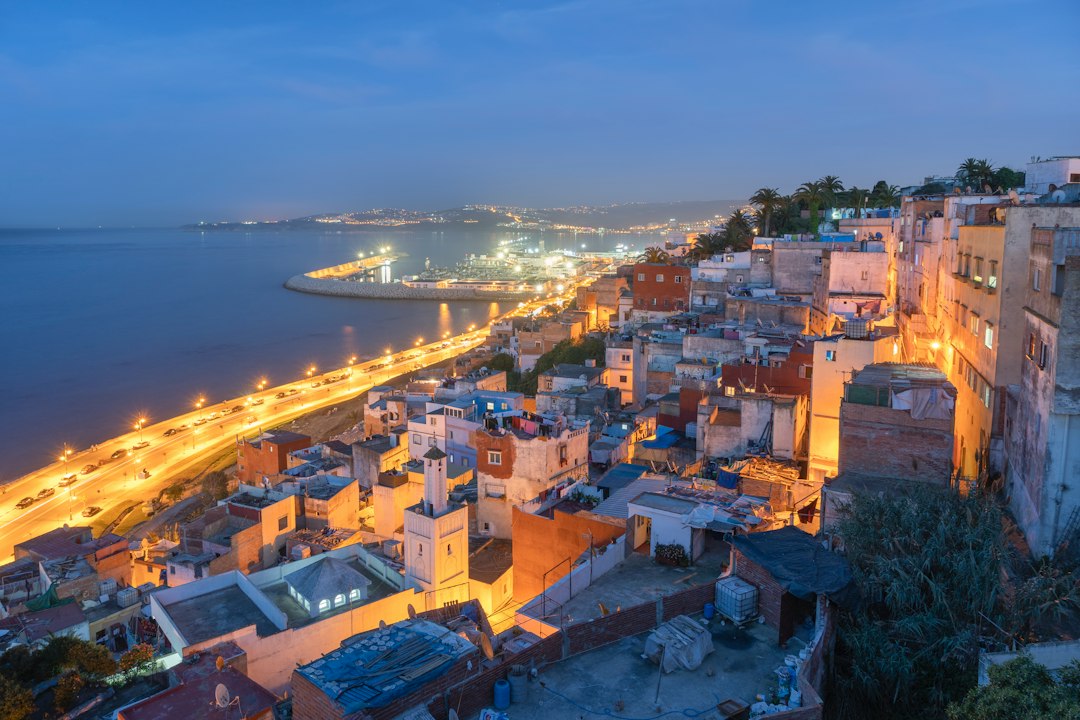
Construction costs in Tangier directly determine the final pricing of new residential developments. Rising expenses for concrete, steel, electrical systems, and skilled labor—combined with stricter building codes and regulatory compliance—mean developers must pass costs to buyers. Between 2024 and 2026, material inflation and labor shortages have increased construction expenses by 12–18%, pushing new apartment prices up 8–12% across Tangier's premium neighborhoods. These cost increases affect everything from entry-level studios to luxury penthouses, reshaping Morocco real estate investment 2026 strategies for both local and international buyers.
How Material and Labor Costs Shape Developer Pricing
Construction expenses represent 60–70% of a developer's total project cost in Tangier. When cement, rebar, electrical components, and imported finishes become more expensive, developers must either absorb the loss or increase sale prices. Most choose the latter, especially in a competitive market where buyers expect modern finishes and safety compliance.
Labor is the second major cost driver. Skilled construction workers—electricians, plumbers, structural specialists—command higher wages in Tangier than in rural Morocco due to urban demand and cost of living. A typical residential project employs 80–150 workers over 18–36 months, making payroll a substantial line item. When inflation pressures wages upward, projects become more expensive to complete.
Materials: Imported vs. Local Supply
Tangier's construction sector relies on a mix of locally-sourced materials (sand, gravel, basic cement) and imported finishes (Italian tiles, Spanish fixtures, German windows). Currency fluctuations and global shipping costs directly affect import-heavy projects. A developer building a luxury penthouse with European finishes faces 30–40% higher material costs than one using standard Moroccan products—and that difference lands in the final price.
Labor shortages have also intensified since 2022. Many skilled workers migrated to Europe or took higher-paying roles in Gulf construction projects. This scarcity pushes wage expectations up, making labor-intensive finishing work—tiling, joinery, plumbing—more expensive than before.
Regulatory Compliance and Building Code Costs
Morocco's updated building codes—reinforced by Vision 2030 urban development targets—require modern safety systems, energy efficiency, and accessibility features. These aren't optional; they're mandatory for new projects seeking permits and final registration. Compliance costs include:
- Structural engineering: Advanced seismic design and reinforcement (Morocco is an earthquake zone)
- Fire safety systems: Sprinklers, emergency lighting, pressurized stairwells in multi-story buildings
- Energy efficiency: Insulation, modern HVAC, LED lighting (required for sustainable building certification)
- Accessibility: Elevators, accessible parking, wheelchair-friendly common areas
- Environmental permits: Waste management, wastewater treatment, environmental impact assessments
These additions typically add 8–12% to total construction cost. For a €250,000 apartment, that's €20,000–30,000 in regulatory overhead alone. Developers embed this into pricing, making compliance-compliant new units more expensive than older, grandfathered properties.
Site Location and Infrastructure Costs
Premium Tangier neighborhoods—Malabata, Ghandouri, Iberia—command higher land costs, and some require extensive site preparation. Hillside developments need retaining walls, slope stabilization, and deeper foundations. Waterfront projects need environmental permits and specialized drainage. These factors add €15,000–50,000 per unit before construction even begins, depending on location and site complexity.
Developers in established central zones like Centre-Ville face smaller site premiums but often must demolish older buildings and navigate tight urban space. Either way, location-specific costs compound material and labor expenses.
The Price Transmission: From Cost to Market Price
A typical new development in Tangier operates on a 20–25% developer margin. If construction costs are €150,000 per unit (materials, labor, compliance, site prep), the developer typically prices the unit at €190,000–200,000 to cover overhead, profit, and risk. When construction costs jump 15% to €172,500, the sale price rises proportionally to €215,000–225,000—a 10–12% increase to buyers.
This explains why Tangier's 2026 real estate market has seen accelerated price growth in new developments. Off-plan projects launched in early 2024 often locked in lower construction costs; recent launches (mid-2025 onward) reflect current inflation, pushing prices visibly higher. Buyers comparing similar units across different projects often see €20,000–40,000 variation based solely on launch timing and supplier contracts.
Developer Strategies to Manage Rising Costs
Experienced developers in Tangier employ several tactics to absorb or mitigate rising costs:
- Long-term supplier contracts: Locking in material prices 12–24 months forward reduces exposure to inflation spikes.
- Phased development: Launching units in tranches spreads payment risk and allows cost adjustments between phases.
- Value engineering: Substituting materials (Spanish tiles instead of Italian, for example) without visible quality loss.
- Mixed-unit strategy: Offering both premium and standard finishes to capture different buyer segments and spread cost exposure.
- Off-plan payment structures: Collecting deposits and progress payments from buyers before completing construction, improving cash flow and reducing borrowing costs.
Buyers benefit from understanding these strategies. Projects with flexible payment plans often reflect tighter developer financing—a sign they're managing costs well. Conversely, projects demanding large upfront deposits may indicate cash-flow challenges or inflated initial pricing.
Regional Comparison: Why Tangier Costs Less Than Casablanca
Construction costs in Tangier remain 8–15% lower than in Casablanca, despite recent inflation. This cost advantage persists because Tangier's construction sector is less congested—fewer mega-projects compete for labor and materials. Labor is also slightly cheaper in Tangier than in Casablanca's overheated market. This regional cost differential has made Tangier attractive to international investors seeking value in the Moroccan market, and helps explain why Tangier's property price growth has outpaced Casablanca's even as absolute prices remain lower.
Impact on Different Property Types
Studios and Small Apartments
Entry-level units (studios, 1-bedroom) are less sensitive to absolute material costs because smaller square footage means lower total material expense. However, per-square-meter costs are often higher for smaller units due to proportionally larger common areas (hallways, lobbies, parking) that must be shared among fewer residents. A €100,000 studio bears the same per-unit share of building compliance costs as a €400,000 penthouse, making small units relatively cost-intensive to produce.
Mid-Market Apartments (2–3 Bedrooms)
The €150,000–250,000 segment has seen the most dramatic price movement. These units—the market's volume driver—face full exposure to labor and material inflation without the economy-of-scale advantages of mega-projects or the ultra-premium margin buffers of luxury units. A 15% cost increase on a mid-market unit typically translates to a 12–14% price increase to buyers.
Luxury Units and Penthouses
Luxury apartments and penthouses (€400,000+) are heavily exposed to imported finishes, bespoke systems, and premium labor. A luxury unit might use €80,000–100,000 in finishes alone, making material inflation acute. However, ultra-high-end projects can sometimes absorb costs through higher margins, meaning price growth may lag cost growth in the luxury segment (a relative discount for wealthy buyers).
The 2026 Outlook: Cost Pressures and Market Response
Several factors will shape construction costs and pricing through 2026:
- TGV rail project demand: The incoming high-speed rail will boost Tangier's economy and labor demand, potentially raising wage pressure further.
- Port expansion (Tanger Med): Growing port activity will increase worker migration into Tangier, but also infrastructure competition for skilled labor.
- Currency stability: If the Moroccan dirham weakens, imported materials will become more expensive; strength will provide relief.
- Developer competition: As more developers enter the market, competitive pressure may dampen price growth even as costs rise.
- Buyer demand resilience: Strong international investor interest (especially diaspora and foreign buyers) has sustained prices despite cost inflation; if demand cools, developers may absorb costs instead of raising prices.
Most industry analysts expect construction costs to rise another 5–8% through late 2026, with new development prices tracking upward but not keeping complete pace—suggesting modest margin compression for developers and relative affordability gains for early buyers.
What This Means for Your Investment Decision
If you're evaluating property purchases in Tangier for Morocco real estate investment 2026, understanding construction costs helps you:
- Time your purchase: Early projects in a developer's portfolio often reflect lower locked-in costs; later phases may be 8–10% more expensive for identical units.
- Evaluate pricing claims: Compare per-square-meter pricing across similar projects in the same neighborhood. Wide variations often reflect cost differences, not quality gaps.
- Assess developer health: Developers offering transparent cost breakdowns and flexible payment terms typically manage cash flow better than those demanding large upfront deposits.
- Understand off-plan value: Off-plan units launched early in a developer's project cycle often offer better value than later phases, as costs haven't yet inflated within the project timeline.
- Factor in long-term value: Modern, compliance-built units will hold value better than older properties because they embody current safety and efficiency standards; the cost premium is often justified by durability and rental appeal.
Before committing to any off-plan purchase, use Immoworld's notary fees calculator to understand total acquisition costs, and consult our guides to specific developers—such as Aafer Groupe or Eagle Hills—to assess reputation and transparency on cost structures.
Conclusion: Costs Drive Value, Not Just Price
Rising construction costs in Tangier aren't bad news—they're a sign of a maturing, regulated market. Developers who can navigate cost inflation while delivering modern, compliant properties are earning investor trust. The 8–12% price increases you're seeing in 2026 new developments largely reflect real cost pressures, not speculative bubbles. For investors, this means new developments represent genuine value if purchased from reputable developers with transparent timelines and cost management. Tangier's construction sector is evolving, and understanding the forces shaping prices will help you invest confidently in this dynamic market.
Ready to explore current inventory? Browse all available properties in Tangier, or contact Immoworld's advisory team to discuss how construction costs and developer reputation affect your specific investment goals in 2026.