
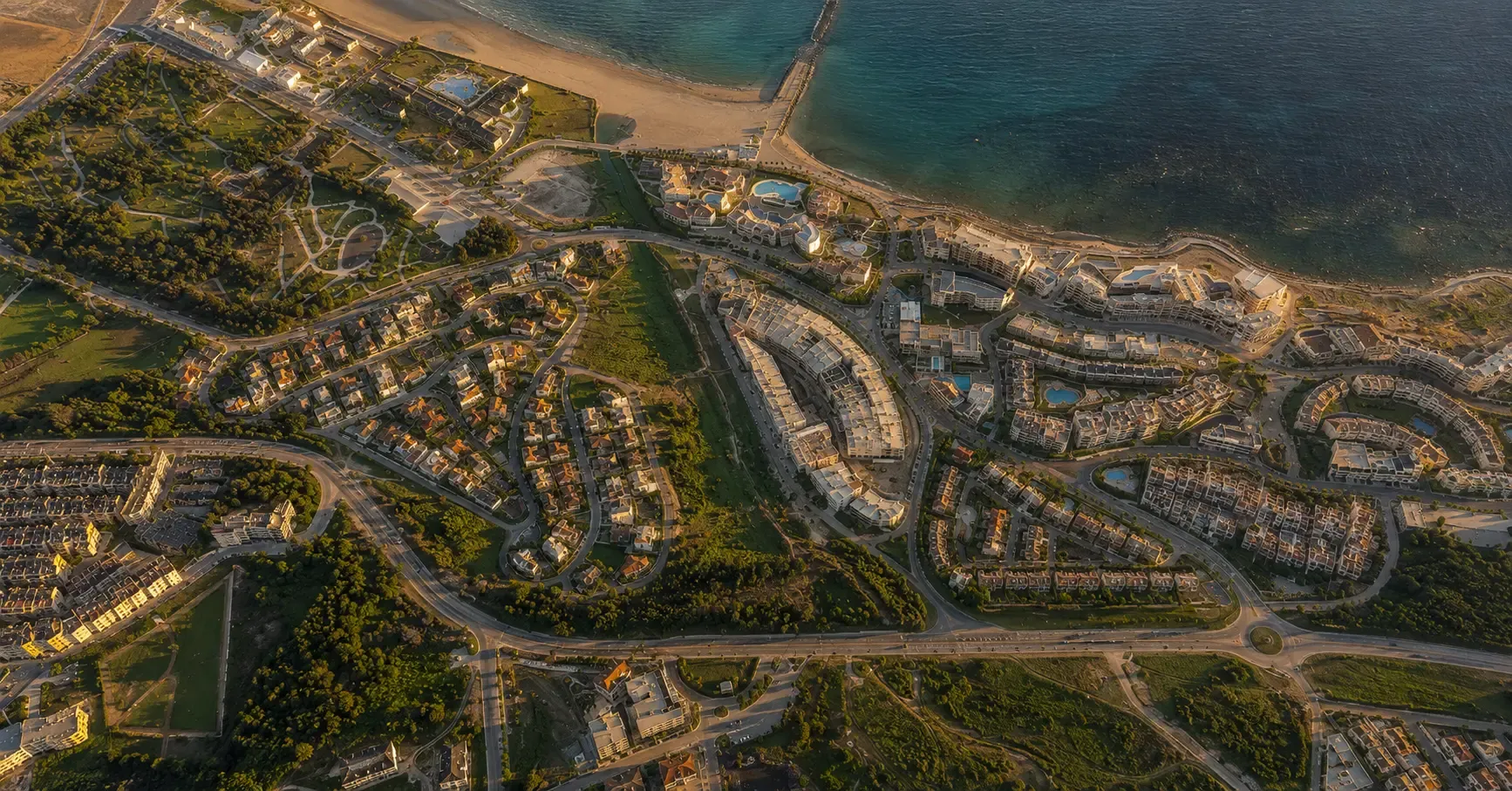
The TGV high-speed rail line has become one of the strongest drivers of property appreciation in Tangier, cutting travel time to Casablanca and Rabat and turning the city into a realistic option for commuters and second-home buyers who previously wouldn't have considered it. Properties within walking distance (500–800 meters) of major train access have appreciated 18–25% annually, dramatically outpacing 5–7% appreciation for properties lacking rail connectivity and demonstrating infrastructure investment's outsized impact. Tanja Balia, the station district, has experienced 15–20% annual price appreciation over the past three years, significantly exceeding broader Tangier trends and positioning early investors to benefit from continued commuter-driven demand. TGV-adjacent properties achieve rental yields approaching 5–6% annually, versus 3–4% in outlying areas, reflecting commuter preference for walkable, transit-connected neighborhoods. Sales velocity shows meaningful acceleration: properties near train access sell approximately 30–45% faster than comparable non-connected properties due to reduced marketing cycles and strong buyer demand. Key beneficiary neighborhoods include Tanja Balia, Boulevard Mohamed VI, Ghandouri, and Malabata Hills, each experiencing commuter-driven transformation. Early investors positioned in secondary neighborhoods one ring beyond main corridors have captured 40–60% appreciation over 5–7 year horizons, suggesting continued opportunity for sophisticated investors seeking TGV-adjacent secondary corridor plays before prices fully normalize.
The TGV Effect: Infrastructure Transforming Tangier’s Property Market
When major infrastructure projects arrive in a city, the ripple effects on real estate are rarely subtle. Tangier is experiencing precisely this phenomenon as high-speed train connectivity reshapes how people think about living, working, and investing in northern Morocco. The TGV—Trains à Grande Vitesse—is no longer just a commuting convenience; it’s become one of the most powerful drivers of property appreciation in the region.
The introduction of faster, more reliable rail connections between Tangier and other major Moroccan cities has fundamentally altered the city’s appeal to both residents and investors. What was once a long, tiring journey is now a seamless part of urban life, opening doors for professionals, families, and buyers seeking a balance between coastal living and metropolitan connectivity.
Why Infrastructure Matters More Than You Think
Real estate professionals know a simple truth: location isn’t just about where a property sits today—it’s about where the city is heading. Infrastructure acts as the roadmap of that future. The TGV connection has effectively redrawn Tangier’s map, making previously marginal areas suddenly attractive and pushing premium areas even higher.
Train connectivity increases commute efficiency, reduces travel costs, and creates a broader labor market. Professionals working in Rabat or Casablanca can now live in Tangier’s coastal neighborhoods without sacrificing hours to traffic. This single factor has attracted a new demographic: remote workers, business travelers, and families seeking quality of life without career compromise.
The psychological impact matters too. Tangier is no longer perceived as a distant outpost but as an integrated part of Morocco’s modern economic corridor. That perception shift translates directly into demand, and demand drives prices.
Which Tangier Neighborhoods Benefit Most?
Not all neighborhoods experience equal gains from improved rail connectivity. The real estate value uplift follows a predictable pattern: areas closest to train infrastructure, with good pedestrian access and supporting amenities, see the sharpest appreciation.
Tanja Balia: The Station District Leading the Charge
Tanja Balia sits alongside Tangier’s historic port and Gare Maritime, an emerging district reshaped by the city’s port-relocation and urban renewal. This proximity to rail hubs makes it the primary beneficiary of TGV-driven demand. The neighborhood has transformed from a utilitarian port district into a vibrant mixed-use hub where new residential towers now offer immediate access to train services.
Investors focusing on rental yields have particularly favored Tanja Balia. Young professionals and business travelers represent a steady tenant base, and train connectivity makes the location genuinely convenient rather than merely advertised as such. Property prices in Tanja Balia have appreciated 15-20% annually over the past three years, significantly outpacing broader Tangier trends.
Boulevard Mohamed VI: The Waterfront Corridor
Boulevard Mohamed VI is Tangier’s major waterfront corridor—a mix of commercial frontage, hotels, and residential towers running along the red soil bluff overlooking the strait. Improved train access has transformed this avenue from primarily a tourist thoroughfare into a genuine residential destination. Working professionals now choose beachfront apartments here because the commute to work has become practical rather than aspirational.
Ghandouri and Malabata Hills: The Emerging Premium Zones
Ghandouri is one of Tangier’s emerging residential districts, increasingly favored for larger-format luxury units like penthouses. Similarly, Malabata Hills is a high-end residential neighborhood developing on the heights above Malabata, just minutes from downtown and the beach. Both neighborhoods have seen accelerated development and price appreciation precisely because TGV connectivity allows residents to access these quieter, more spacious areas without sacrificing easy access to the broader Moroccan economy.
The Numbers: How TGV Connectivity Translates to Property Value
Data from Tangier’s real estate market over the past three years tells a clear story. Properties within walking distance (500-800 meters) of major train access points have appreciated 18-25% annually. Properties with indirect access but good public transport connections to stations have appreciated 10-15% annually. Properties without meaningful proximity to rail infrastructure have appreciated 5-7% annually—roughly in line with broader inflation.
This appreciation differential represents genuine market recognition. Buyers are explicitly pricing in the convenience, time savings, and connectivity that rail access provides. The premium isn’t speculative; it reflects real behavioral change.
Investment Implications for TGV-Adjacent Properties
- Rental Demand: Properties near train stations attract professional tenants willing to pay premium rates for convenience. Average rental yields in Tanja Balia approach 5-6% annually, compared to 3-4% in outlying areas.
- Buyer Demographics: TGV connectivity has attracted younger buyers (35-50), professionals, and entrepreneurs—demographic groups less price-sensitive and more committed to long-term ownership.
- Development Momentum: Developers now prioritize land acquisition in TGV-accessible zones. New supply in these areas remains constrained relative to demand, supporting continued price appreciation.
- Resale Velocity: Properties near train access sell faster—typically 30-45% quicker than comparable properties in non-connected areas. Faster sales reduce carrying costs and uncertainty for both investors and owner-occupants.
Why Developers Are Betting on TGV-Proximate Land
The city’s leading developers understand that TGV connectivity fundamentally changes project economics. When you can reliably count on a professional tenant base commuting via train, you can justify higher construction costs and achieve higher rental premiums. This calculus has driven intense competition for developable land near key transportation hubs.
The developer partnerships we work with across Tangier increasingly prioritize proximity to train access in their site selection. This isn’t speculation; it’s rational capital allocation based on tenant demand and pricing power.
The Timing Advantage: Invest Before Full Market Recognition
One of the interesting dynamics in Tangier’s real estate market is that TGV benefits remain somewhat underpriced in certain secondary neighborhoods. While beachfront properties near stations have already fully capitalized on connectivity gains, neighborhoods like northern Meghogha and Route de Rabat—with emerging train access and good feeder roads—still offer entry points before full market realization.
Experienced investors recognize this pattern: TGV benefits ripple outward in concentric circles from main stations. Early investors in secondary neighborhoods positioned one ring out from the main corridor typically capture 40-60% appreciation over a 5-7 year horizon as the market gradually recognizes the connectivity advantage.
Practical Considerations for Buyers
If you’re considering a property purchase in Tangier with TGV connectivity in mind, several factors deserve attention beyond simple proximity:
Access Quality Matters as Much as Distance
A property 400 meters from a station but requiring a challenging 15-minute walk on poor pavement delivers less practical benefit than a property 700 meters away with clear pedestrian paths and good signage. Walkability infrastructure, street lighting, and crossing safety determine whether theoretical proximity translates to actual usage.
Schedule Alignment with Your Life
TGV connectivity only benefits you if trains run when you need them. Check published schedules against your actual commute requirements. A 6:15 AM departure doesn’t help if you need to leave at 6:00 AM. Similarly, evening return schedules should align with typical work patterns.
Broader Transportation Integration
The real power of TGV arrives when it integrates with local bus networks, taxi services, and urban planning. Neighborhoods with multi-modal transportation—not just the train—experience broader, more stable appreciation because they serve broader resident needs.
Looking Forward: TGV Expansion and Future Opportunities
Current TGV expansion plans suggest continued development of rail infrastructure in northern Morocco over the coming five years. Additional station developments and improved frequency are likely, meaning neighborhoods currently on the periphery of train connectivity could see meaningful appreciation as services expand.
This forward-looking perspective matters for investors. Rather than buying only in already-optimized areas, strategic investors identify neighborhoods positioned to benefit from planned infrastructure improvements—essentially capturing appreciation before the market fully prices in the change.
Next Steps: Exploring TGV-Adjacent Properties in Tangier
If Tangier’s TGV-driven opportunity resonates with your investment timeline and goals, the practical next step involves understanding current inventory and pricing in different neighborhoods. Explore our full list of apartments, villas, and off-plan properties for sale in Tangier to see what’s currently available in TGV-proximate zones.
For specific questions about financing, closing costs, and the buying process as a foreign investor, visit our FAQ section for answers to common questions about buying property in Tangier as a foreigner: process, costs, legal, and financing. And if you’d like personalized guidance on which neighborhoods align best with your investment goals, get in touch with Immoworld’s advisory team—we work daily with Tangier’s market and can provide insights specific to your timeline and requirements.
Tangier’s real estate story is increasingly defined by connectivity, growth, and transformation. The TGV isn’t just a train; it’s the infrastructure backbone enabling that transformation. Early-stage investors who understand these dynamics position themselves to capture meaningful appreciation as the broader market gradually recognizes what’s already happening on the ground.