
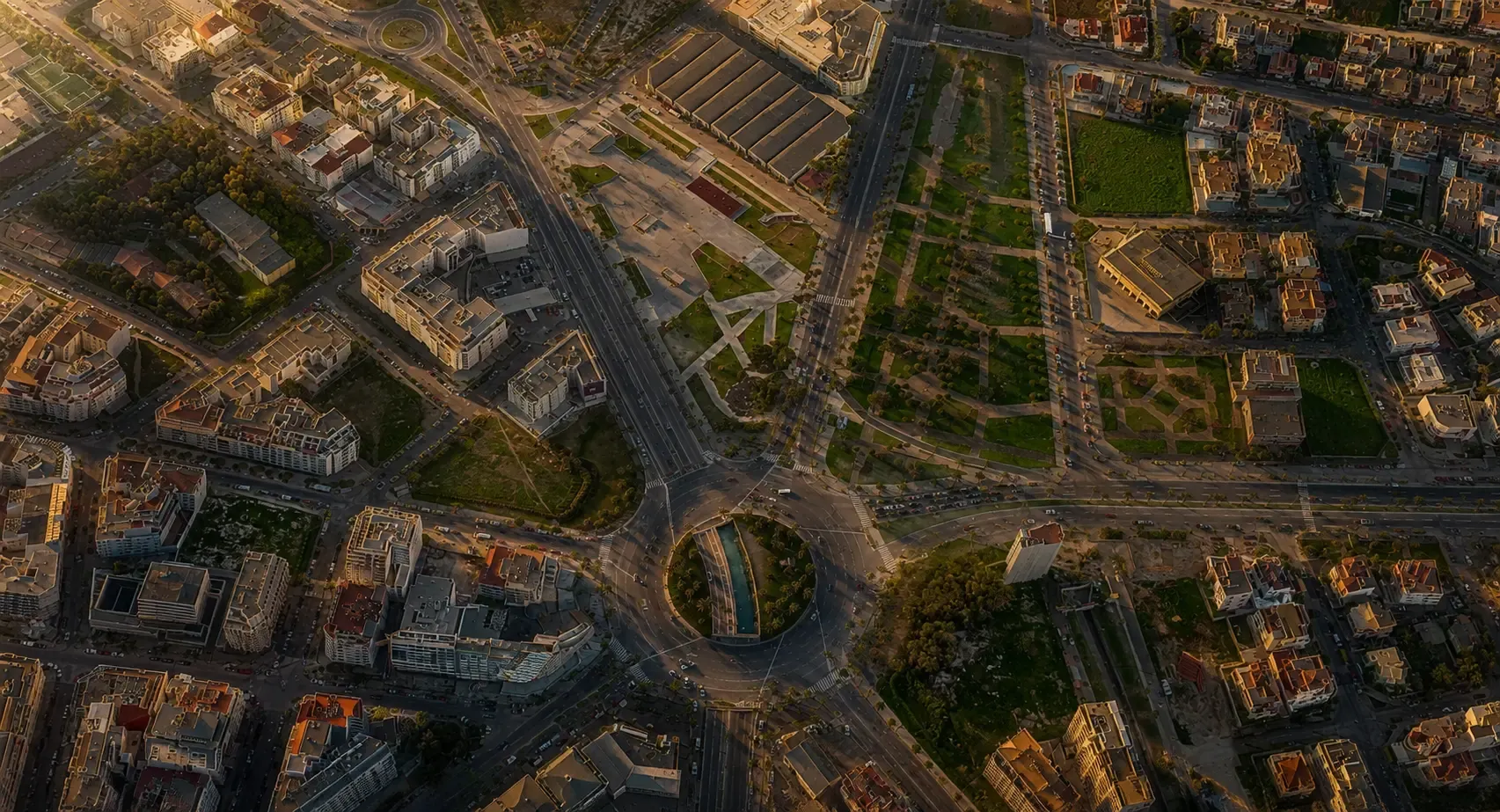
Tangier remains genuinely undervalued compared to Marrakech and Casablanca, though the gap is narrowing as infrastructure investment and international attention accelerate toward this emerging Mediterranean destination. Tangier typically ranges 45,000–75,000 MAD per square meter, which is 35–50% lower than Marrakech and 50–60% lower than central Casablanca—a structural pricing advantage with measurable expiration timeline. The TGV high-speed rail link between Tangier and Casablanca, completed in 2018, reduced travel time from approximately two hours to 45 minutes, fundamentally reshaping Tangier's attractiveness for commuters and weekend-property investors. Premier neighborhoods include Iberia, Mershan, Malabata Hills, Ghandouri, Achakar, and Tanja Balia, each with distinct characteristics and appreciation potential outpacing Casablanca's established premium neighborhoods. Major developers like Eagle Hills (Emaar-backed), Amanah Real Estate, and Aarab are committing significant capital to Tangier projects, accelerating infrastructure completion and international brand awareness. Properties that sold for 40,000 MAD per square meter in 2021 now list at 55,000–60,000 MAD, with the undervaluation window potentially closing within 24–36 months as international awareness spreads and supply tightens. A 5–10 year investment horizon aligns with Tangier's development trajectory and appreciation potential, though earlier entry captures greater upside before the valuation gap compresses toward parity with Casablanca premium neighborhoods.
The Three-City Comparison: Setting the Context
When foreign investors and Moroccan buyers think about real estate investment in Morocco, three cities typically dominate the conversation: Tangier, Marrakech, and Casablanca. Yet each occupies a very different position in the national property market—shaped by history, geography, infrastructure, and perception.
The key question isn’t which city is best. It’s whether Tangier remains genuinely undervalued compared to its more established rivals, and whether that undervaluation represents opportunity or lingering risk.
Price Comparison: The Numbers Tell a Story
Let’s begin with the clearest metric: per-square-meter pricing.
In Marrakech’s premium neighborhoods like Hivernage and the Medina surroundings, expect to pay between 80,000–120,000 MAD per square meter (roughly €7,500–€11,500) for quality residential property. The city’s reputation as Morocco’s cultural and tourism capital has solidified its real estate premium over the past decade.
Casablanca, Morocco’s economic heart and largest metropolitan area, commands even higher prices. Central districts and waterfront zones along the Corniche range from 100,000–150,000 MAD per square meter ($10,000–€14,500). Casablanca’s scale, industrial base, and status as the financial capital justify sustained premium valuations.
Tangier, by contrast, typically ranges from 45,000–75,000 MAD per square meter (€4,300–€7,200) in established, upscale neighborhoods like Iberia, Tangier’s most prestigious residential quarter and Mershan, one of Tangier’s most established upscale residential quarters. Even newer luxury developments in Malabata Hills, combining hillside tranquility with proximity to the coast and city center, rarely exceed 70,000–85,000 MAD per square meter.
By the numbers: Tangier’s prices are 35–50% lower than Marrakech and 50–60% lower than central Casablanca—a substantial gap that raises the undervaluation question directly.
Why the Price Gap Exists: Historical Perception vs. Current Reality
Marrakech’s premium pricing reflects decades of tourism infrastructure, heritage status, and a well-established expat and investor community. The city has cultivated a global luxury brand around Moroccan hospitality and culture.
Casablanca’s high prices reflect its role as Morocco’s commercial and financial hub. Multinational corporations, banks, and professional services concentrate here, driving demand for premium office and residential space among high-earning employees.
Tangier’s undervaluation, historically, reflected three disadvantages:
- A legacy reputation tied to older industrial and port activity
- Perception as a transit city rather than a destination
- Less developed tourism infrastructure relative to Marrakech
But this context matters: each of those disadvantages is actively being eroded by new investment and infrastructure.
The Infrastructure Inflection Point
Tangier’s real estate calculus has shifted dramatically in the past three to five years, thanks to three major infrastructure developments.
The TGV Connection
The high-speed rail link between Tangier and Casablanca, completed in 2018 and expanded since, has transformed Tangier’s connectivity to Morocco’s economic core. What was once a two-hour drive is now a 45-minute journey. This connectivity alone has begun reshaping buyer and investor psychology—the TGV is driving property values and attracting a new wave of investors to Morocco’s gateway city.
Tanger Med Port Expansion
Tanger Med Port, already Africa’s busiest container port, continues expanding. The port has become a major employment engine and has attracted supply-chain companies, logistics firms, and industrial development. Tanger Med Port has become the engine driving Tangier’s economic and real estate transformation.
Urban Regeneration Projects
Districts like Tanja Balia (the port district) and Boulevard Mohamed VI (the waterfront corridor) are undergoing systematic renewal. The city center is densifying with modern mixed-use developments, attracting national and international investment.
Compare this trajectory to Marrakech, where infrastructure is mature but growth is incremental, and to Casablanca, where continued expansion is expensive and constrained by density.
Tangier vs. Marrakech: The Real Estate Argument
Marrakech’s advantages remain substantial: established tourism, a global brand, consistent foreign visitor flows, and a decades-old expat community. Property in Marrakech holds value through lifestyle appeal and tourism-driven rental demand.
But Tangier’s advantages are accelerating:
- Proximity to Europe (ferry to Spain in 45 minutes)
- Lower entry prices with significant upside potential
- Growing commercial and logistics employment base
- Emerging luxury residential developments backed by major developers like Eagle Hills (Emaar-backed)
- Younger demographic profile attracting younger buyer cohorts
For rental investors, Marrakech remains proven and stable. For value investors seeking appreciation potential, Tangier’s combination of lower entry price and accelerating infrastructure makes a stronger case.
Tangier vs. Casablanca: The Metropolitan Question
Casablanca is Morocco’s undisputed economic engine. Corporate jobs, banking, manufacturing, and services concentrate here. This drives sustained professional housing demand and justifies premium pricing.
But the comparison to Tangier reveals a strategic divergence:
Casablanca prices have likely plateaued. It’s a mature, dense market with limited new development land. Price growth will be modest, driven by renovation and repositioning rather than new district expansion.
Tangier, by contrast, still has room for new districts and significant green-field development. Newer areas like Ghandouri, increasingly favored for larger-format luxury units like penthouses, and Malabata, standing out in Tangier for its unique blend of coastal glamour and future potential, are still emerging. These districts offer appreciation potential that Casablanca’s saturated neighborhoods no longer provide.
Casablanca offers stability and rental yield. Tangier offers growth and appreciation potential.
The Investor Psychology Shift
Until roughly 2020, sophisticated investors viewed Tangier as a secondary market—too risky, too underdeveloped. Investment flowed to Marrakech and Casablanca by default.
That’s changing. Every real-estate developer Immoworld works with in Tangier reports increased buyer inquiry, faster sales cycles, and rising reservation prices. Major developers like Eagle Hills, Amanah Real Estate, and Aarab are committing significant capital to Tangier projects, signaling confidence in long-term appreciation.
This shift is self-reinforcing: as prices rise and developments complete, more international attention follows, attracting further investment and driving further appreciation.
The Catch: Why Tangier May Not Be Undervalued Much Longer
Here’s the crucial caveat: Tangier’s undervaluation may be narrowing faster than most people realize.
Prices have already begun accelerating. Properties that sold for 40,000 MAD per square meter in 2021 are now listed at 55,000–60,000 MAD. This isn’t speculation; it reflects genuine infrastructure completion and economic momentum.
If you’re betting on Tangier being a 5–10 year value play, the window for optimal entry may close within 24–36 months. By 2028–2029, Tangier prices may have normalized closer to Marrakech pricing, reducing the upside spread.
The Right Question to Ask
Rather than asking « Is Tangier undervalued? », the smarter question is: « Which city aligns with my investment timeline and risk tolerance? »
Choose Marrakech if: You want proven, stable rental demand and don’t require significant price appreciation. You value established infrastructure and cultural assets.
Choose Casablanca if: You prioritize employment-driven rental yield and professional-class tenancy. You can access and manage property remotely in Morocco’s largest metro area.
Choose Tangier if: You have a 5–10 year time horizon, can tolerate execution risk during development, and want meaningful appreciation potential paired with reasonable current pricing.
Practical Next Steps for Tangier Buyers
If Tangier’s value proposition appeals to you, move deliberately. Understand that not all neighborhoods carry equal upside. Districts like Achakar, Tangier’s affluent northwestern coastline known for private villas and sweeping Atlantic views, offer lifestyle premium but limited development upside. By contrast, Tanja Balia, the port district reshaped by the city’s port-relocation and urban renewal projects, combines affordability with genuine transformation momentum.
Get professional guidance. Tangier’s market moves faster than it did five years ago, and pricing varies significantly by micro-location. Working with Immoworld’s advisory team helps you navigate development pipelines, developer track records, and realistic appreciation timelines.
The Bottom Line
Is Tangier still undervalued compared to Marrakech and Casablanca? Yes—but that window is closing. The city’s real estate market is in transition from undervalued to appropriately valued, driven by measurable infrastructure completion and growing commercial momentum.
For buyers seeking meaningful appreciation in a city with genuine tailwinds, Tangier’s current pricing window represents genuine value. But the margin of undervaluation is narrowing, and that margin—the difference between current price and future rational price—is where investor returns ultimately come from.
The question isn’t whether Tangier is cheaper. It’s whether you can execute and hold through the transition before Tangier’s value gap fully closes.