
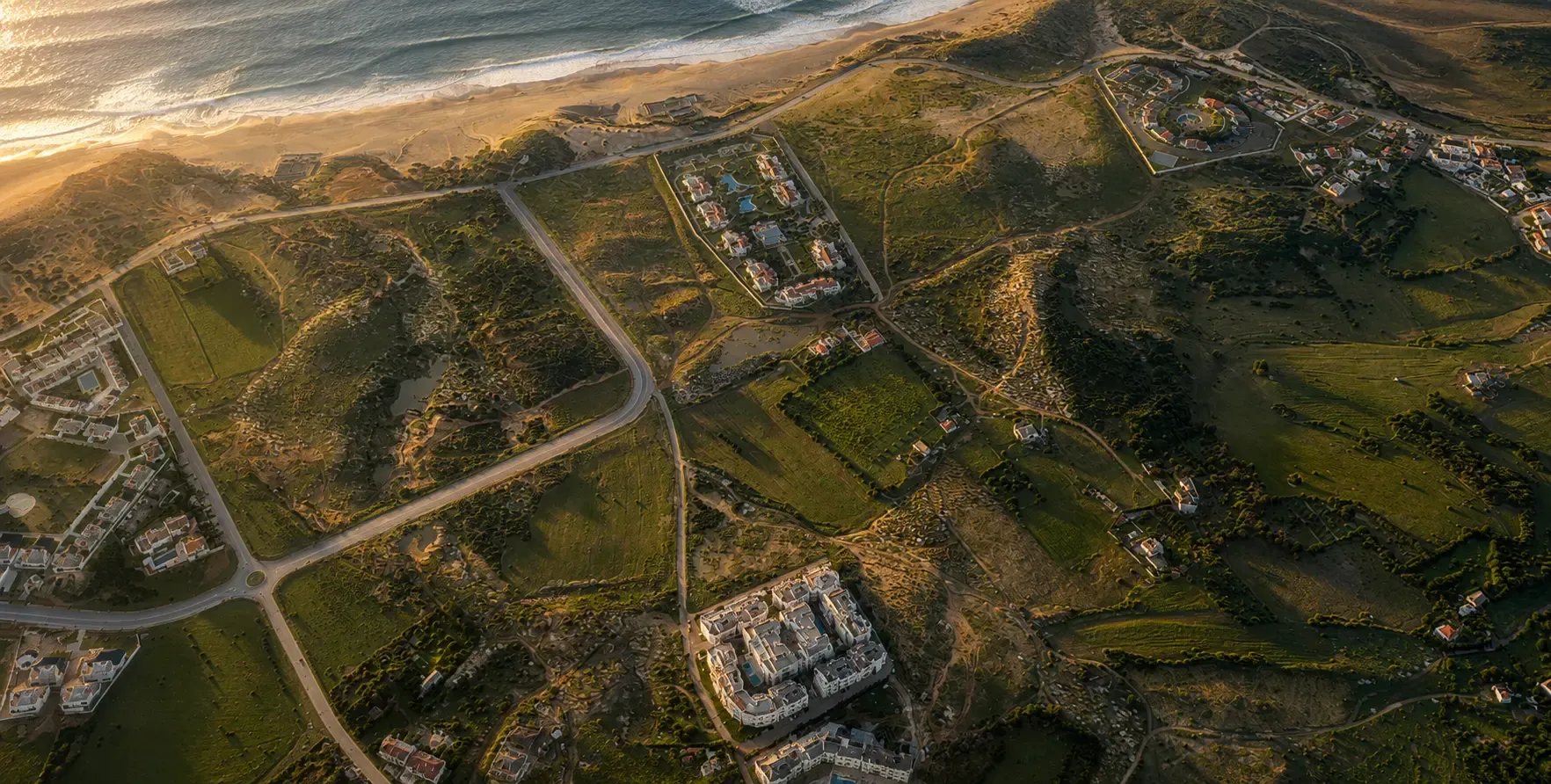
Tangier's real estate market enters 2026 at an inflection point, with infrastructure investment, tourism growth, and demographic shifts converging to reshape both demand and pricing across the city. Waterfront and prestige districts (Malabata, Marina Bay, Achakar) anticipate 4–7% annual appreciation through 2026, outpacing inflation and building on five-year appreciation trending 6–10% annually. Ghandouri is projected to see 5–8% annual growth as developers complete flagship residential projects and infrastructure catchup narrows the gap with established neighborhoods. Quartier Administratif, Iberia, and Tanger City Center expect steady 3–5% yearly appreciation, reflecting established neighborhood maturity and pricing stability. Route de Rabat offers opportunistic appreciation with 6–10% annual potential from lower price bases as infrastructure and demographic shifts drive peripheral expansion. Premium waterfront districts generate 5–6% gross rental yields, while smaller central units command 6–8% yields due to tourism rental demand. Multiple developers maintain robust pipelines with off-plan projects in Ghandouri, Tanja Balia, and Malabata Hills selling out before completion, suggesting strong institutional and international investor confidence. The 2026 outlook reflects transition from niche market to mainstream Mediterranean investment destination—the narrow undervaluation window versus European alternatives is beginning to close, potentially compressing future appreciation and creating urgency for value-focused buyers.
The Tangier Property Market in 2026: A Turning Point
Tangier’s real estate market has undergone a quiet transformation over the past five years. What was once a secondary Moroccan city is now positioned at the intersection of European and African markets, with structural factors suggesting sustained growth through 2026 and beyond. Understanding where tangier property prices are headed requires looking at both macro drivers and hyper-local neighborhood dynamics.
The convergence of port infrastructure upgrades, airport expansion, and tourism recovery has created genuine tailwinds for the housing market. Yet like any market approaching maturity, 2026 will be a year of differentiation—not all neighborhoods will perform equally, and buyer expectations will matter enormously.
Macro Drivers Shaping the Tangier Real Estate Market 2026
Port Expansion and Economic Momentum
The relocation of Tangier’s port to Tanger Med has freed up vast waterfront land for residential and mixed-use development. This is not speculative—the transformation is already visible in districts like Tanja Balia, which sits alongside Tangier’s historic port and benefits from urban renewal projects. By 2026, we expect this district to command premium pricing as developers complete second-phase projects and the market absorbs scarcity of genuinely waterfront inventory.
Economic momentum extends beyond the port. Free-trade zones and international business activity have attracted both foreign investment and expatriate residents seeking stable, modern housing.
Tourism and Short-Term Rental Demand
Tangier’s recovery as a tourist destination post-pandemic has been sharper than many expected. This creates a dual demand dynamic: long-term residents want modern apartments with amenities, while investors seek smaller units with rental yield potential. Tangier real estate market 2026 pricing will increasingly reflect this bifurcation, with studios and one-bedrooms appreciating faster than larger family homes in certain districts.
Tourism infrastructure—hotels, restaurants, entertainment venues—concentrates in specific zones, making proximity to these zones a key price driver.
Demographic Tailwinds
Tangier’s population continues to grow, with a young median age and rising middle-class purchasing power. Unlike some Moroccan cities, Tangier attracts both domestic buyers (families relocating from Rabat and Casablanca) and international purchasers. This dual demand supports price floors and limits inventory buildup.
Tangier Property Prices: 2026 Forecast by Market Segment
Waterfront and Prestige Districts
Districts like Malabata, Marina Bay, and Achakar will see continued appreciation. Waterfront supply remains constrained, and international demand for these properties has proven resilient. We expect price growth of 4–7% annually through 2026 in these areas, with premium units (penthouses, beachfront villas) potentially outpacing the broader average.
Malabata stands out for its unique blend of coastal glamour and future potential, with beachfront and marina access attracting affluent buyers. Pricing in this corridor is already elevated, but scarcity justifies it.
Emerging Luxury Districts
Ghandouri is one of Tangier’s emerging residential districts, increasingly favored for larger-format luxury units like penthouses. This district represents a sweet spot in 2026: less expensive than Malabata but positioned on the trajectory of the next wave of premium residential development. Expect 5–8% annual growth as developers like Amanah Real Estate and Eagle Hills complete flagship projects.
Hillside developments like Malabata Hills offer family-oriented new development with elevated views and proximity to downtown and beach, commanding mid-to-upper market pricing with strong appreciation potential.
Central and Mixed-Use Corridors
Districts like Quartier Administratif, Iberia, and the modern business hub at Tanger City Center will see steady appreciation of 3–5% as infrastructure improves and commercial activity concentrates. These areas appeal to investors seeking rental income and owner-occupiers wanting walkability and convenience.
Price-to-rent ratios in central districts remain attractive relative to European benchmarks, supporting long-term rental investment demand.
Residential Corridors and Value Areas
Route de Rabat has quietly transformed into one of Tangier’s most compelling investment corridors, offering residential appeal at accessible price points with genuine growth momentum. Value-oriented buyers will find the strongest appreciation potential in these quieter, growing zones, where price growth may outpace prestige districts on a percentage basis (6–10% annually) but from a lower base.
Inventory and Supply-Demand Balance
New Construction Pipeline
Developer activity remains robust. Our partnerships with every real-estate developer Immoworld works with in Tangier show a steady pipeline of new residential launches across price points. Off-plan projects in Ghandouri, Tanja Balia, and Malabata Hills are absorbing substantial investor interest, particularly from Morocco-diaspora buyers seeking exposure to home-market appreciation.
New supply will be meaningful but unlikely to destabilize the market. Most developers are selling units before completion, indicating confidence in demand.
Rental Market Dynamics
Short-term rental yields in premium districts (Malabata, Marina Bay) have stabilized at 5–6% gross, while longer-term residential rentals offer 4–5% yields. This rental support provides a floor to property values and attracts institutional investor interest—a positive signal for market stability in 2026.
Smaller units and studios in walkable central districts command higher rental yields (6–8%) but carry higher turnover costs. Buyers should factor this into investment underwriting.
Price Expectations: What 2026 Looks Like
Best-Case Scenario
Continued port-driven economic momentum, strong tourism recovery, and infrastructure completion drive sustained demand. Waterfront and luxury prices appreciate 5–7% annually. Central districts and emerging neighborhoods appreciate 4–6%. Overall inventory remains tight, supporting price stability and limiting downside risk.
Base Case
Moderate growth of 3–5% across most price segments, with pockets of stronger appreciation in emerging districts. Supply and demand remain roughly balanced. The market matures and price volatility decreases. International demand remains steady but cautious. Domestic demand from relocating families and young professionals remains solid.
Downside Risks
Economic headwinds in Europe could reduce international buyer interest. Rising mortgage rates could constrain domestic purchasing power. Supply shocks—a large new development completing simultaneously—could create temporary pricing pressure in specific submarkets. These risks exist but feel limited in the current macro environment.
Where Should Buyers Focus in 2026?
For Investment Yield
Central, walkable districts with strong rental demand. Quartier Administratif, Castilla, and Iberia offer balanced appreciation and rental yield. Smaller units (studios, one-bedrooms) in these areas command premium rental rates and appeal to the tourism and short-term visitor economy.
For Capital Appreciation
Emerging luxury districts (Ghandouri, Malabata Hills) and value-growth corridors (Route de Rahrah, Meghogha) offer the strongest percentage appreciation potential. These areas are earlier in their development cycle than prestige zones and command lower entry prices.
For Lifestyle and Stability
Malabata, Marina Bay, and Achakar’s affluent northwestern coastline, stretching toward Cap Spartel and the Caves of Hercules, remain the most stable, desirable addresses. Price appreciation will be steady rather than spectacular, but these are where wealthy buyers (foreign and domestic) are choosing to live, making long-term demand predictable.
Key Considerations Before Buying in 2026
Understanding the legal and financial framework is essential. Answer to common questions about buying property in Tangier as a foreigner covers process, costs, legal, and financing concerns. Before committing to a purchase, investors and owner-occupiers should:
- Verify title documentation and conduct due diligence with a local legal advisor
- Understand notary fees and closing costs—these are non-negotiable but quantifiable
- Model rental yield projections conservatively, particularly for short-term rental strategies
- Consider exchange-rate risk if you’re funding the purchase in a foreign currency
- Visit neighborhoods multiple times at different hours to understand neighborhood character
The Notary Fees Calculator helps estimate notary and registration fees for a property purchase in Morocco, allowing realistic budgeting for closing costs.
The Bottom Line: 2026 Positioning
The tangier real estate market 2026 is entering a phase of mature, sustainable growth rather than speculative appreciation. Structural demand drivers are real: a growing population, tourism recovery, international business interest, and constrained waterfront supply. Price growth of 3–6% annually across most segments seems realistic, with pockets of stronger appreciation in emerging districts and value corridors.
The market will reward disciplined buyers who focus on districts with genuine demographic or infrastructure momentum, avoid overleveraging, and think in terms of 5–10 year holding periods rather than quick flips. International buyers will continue to find value in Tangier relative to European property, while domestic buyers will appreciate both investment upside and lifestyle quality.
If you’re considering entering the Tangier market in 2026, now is an excellent time to begin research and building local relationships. Get in touch with Immoworld’s advisory team to discuss your specific situation and timeline. We’re here to help you navigate the market with confidence and clarity.