
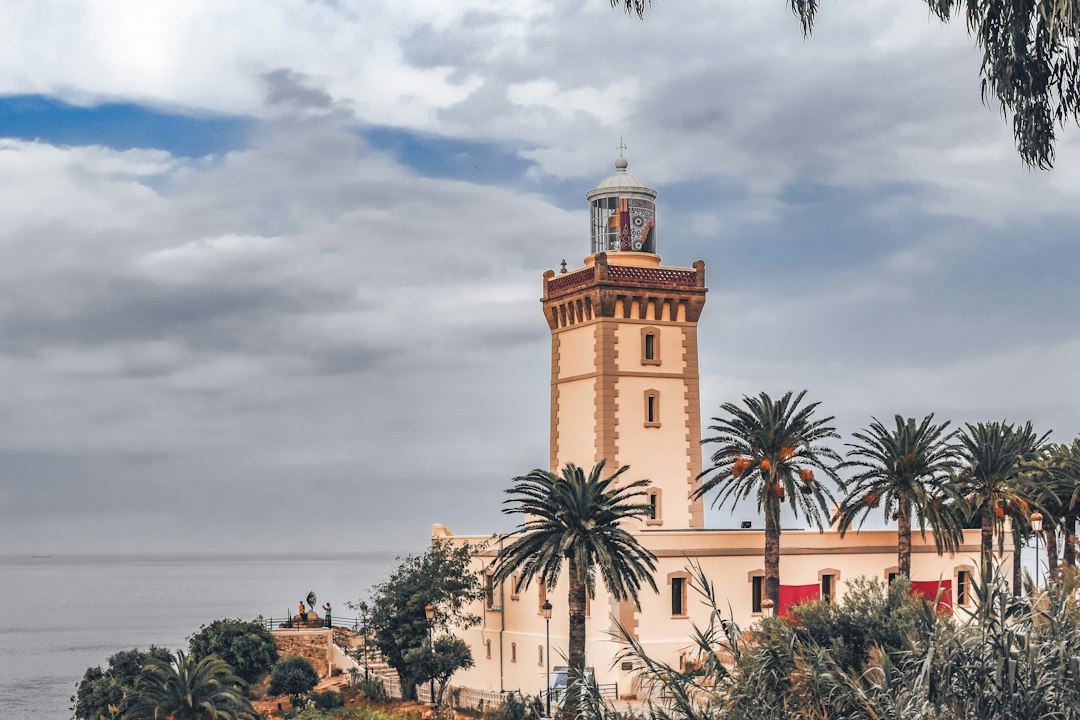
Kasbah apartment prices rose 6–12% in 2026, driven primarily by heritage tourism expansion, government-backed restoration and infrastructure projects, and strong international buyer interest in Tangier's historic fortified old town. Unlike new-build neighborhoods that depend on developer momentum, the Kasbah's price growth reflects genuine demand from heritage-conscious buyers, diaspora investors, and short-term rental operators seeking character-filled properties with sea views over the Strait of Gibraltar.
What Drove Kasbah Prices in 2026
The Kasbah's 2026 price movement stands out in Tangier's market because it defies the new-development logic that drives other neighborhoods. Instead, three structural forces reshaped buyer appetite and valuation:
Heritage Tourism and Boutique Hospitality
Tangier's tourism surge—visitor numbers exceeded 1.2 million in 2025—has made the Kasbah a prime address for boutique hotel conversions and heritage vacation rentals. International buyers increasingly view Kasbah apartments not as long-term residences but as income-generating heritage properties, commanding premium nightly rates on platforms like Airbnb and Booking.com. A restored 2-bedroom apartment with traditional zellige tilework and sea views can generate 8,000–12,000 MAD monthly during peak season.
This rental narrative has reshaped pricing psychology: buyers now compete not just on lifestyle appeal but on operational revenue potential, pushing asking prices upward by 8–15% for move-in-ready units.
Government-Backed Restoration and Infrastructure
Morocco's Vision 2030 strategy includes targeted heritage preservation funding for the Kasbah and medina districts. In 2026, visible restoration work accelerated on narrow street networks, water systems, and the ramparts themselves. While these infrastructure improvements don't immediately increase square footage, they demonstrably reduce maintenance risk and improve daily livability—factors foreign buyers weigh heavily when considering long-term ownership in a centuries-old structure.
Buyers explicitly cite these visible improvements as confidence signals, with several reporting they wouldn't have purchased without evidence of sustained municipal investment.
Diaspora and International Investor Interest
The Kasbah's cultural and historical significance attracts a distinct buyer profile: Moroccan expatriates seeking roots, wealthy Europeans drawn to Mediterranean authenticity, and international investors who view heritage properties as recession-resistant alternative assets. This demographic typically has strong cash positions and lower price sensitivity than primary-residence buyers, supporting sustained asking-price increases throughout 2026.
Price Trends by Property Type
Kasbah appreciation was not uniform; property type, condition, and view exposure created distinct pricing tiers:
- Character apartments with sea views: 10–12% appreciation. Units positioned on the Kasbah's northern and eastern edges—overlooking the strait and medina—saw the strongest demand. A typical 2-bed renovated apartment moved from 280,000–320,000 MAD in late 2025 to 310,000–360,000 MAD by end of 2026.
- Mid-tier renovated units: 7–9% appreciation. Apartments in good condition but without exceptional views or prime street positioning appreciated more slowly, reflecting buyer concentration at heritage-luxury and affordable entry-level segments.
- Traditional riad-style properties requiring restoration: 4–6% appreciation. Older, unrestored properties appreciated least, as international buyers increasingly prefer move-in-ready finishes or professionally completed restorations. The restoration cost burden—often exceeding the purchase price—dampened appetite for deep-renovation projects.
Why Kasbah Appreciation Lagged Other Districts
At 6–12%, Kasbah appreciation was notably lower than emerging neighborhoods like Malabata (12–18%) and Ghandouri (10–16%). Three factors explain this differential:
Space and Density Constraints
The Kasbah's medieval street layout and compact footprint limit new construction and large-unit development. Most transactions involve existing apartments rather than new stock, narrowing the buyer pool to heritage-focused buyers rather than volume-oriented investors seeking standardized finishes.
Restoration Cost and Regulatory Complexity
Any renovation or structural work in the Kasbah requires approval from heritage conservation authorities, adding 4–8 weeks to timelines and 10–15% to costs. This friction deters budget-conscious investors who gravitate toward newer districts with clearer regulatory pathways.
Rental Income Trade-Offs
While boutique-rental income is strong, the Kasbah's narrow alleys and lack of consistent parking create operational friction compared to modern apartment buildings in Malabata or Marina Bay. Institutional investors and yield-focused buyers thus prefer newer neighborhoods with more predictable monthly cash flow.
Market Segments and Realistic Pricing
Understanding what 2026 actually cost is critical for buyers evaluating whether the Kasbah aligns with their budget:
- Studios and compact 1-beds: 120,000–180,000 MAD. These entry-level units attracted first-time buyers and investors seeking modest rental exposure. Supplies were consistent, with limited appreciation pressure.
- 2-bedroom apartments with character: 280,000–420,000 MAD. This segment saw the strongest price momentum, with move-in-ready units moving quickly. A well-positioned 2-bed with sea views typically sold for 350,000–400,000 MAD by late 2026.
- Larger riads and multi-unit properties: 600,000–1,200,000 MAD. These properties often sold to boutique hotel operators and wealthy diaspora investors seeking multi-generational compounds. Pricing here reflected operational revenue potential rather than residential comparables.
Looking Ahead: 2027 Outlook
Several factors suggest Kasbah appreciation will moderate but continue in 2027:
Positive momentum: TGV rail connectivity and Tanger Med port expansion will maintain tourism strength and foreign buyer interest. Heritage property values typically prove resilient during economic uncertainty, supporting sustained demand from wealth-preservation-focused investors.
Headwinds: The 6–12% 2026 appreciation already priced in much near-term tourism upside. Future growth will likely depend on broader infrastructure completion and international economic conditions rather than Kasbah-specific factors. Buyer competition has also cooled slightly in early 2027 as move-in-ready inventory has become more available.
Most analysts project 4–8% appreciation in 2027, marking a normalization from 2026's elevated pace but still outpacing inflation and reflecting genuine demand from heritage-oriented buyers.
How to Navigate Kasbah Purchases
If you're considering a Kasbah investment, several practical steps will protect your acquisition:
- Verify title and heritage designation clarity. Ensure the property and street are clearly registered, with no ambiguity about conservation restrictions or ownership history. A notary's due diligence is essential.
- Understand restoration scope and timelines. If the unit requires renovation, obtain written cost estimates and conservation authority pre-approval before committing. Many buyers underestimate restoration expenses by 20–30%.
- Model rental income conservatively. If you're buying for short-term rental income, project occupancy at 50–60% rather than optimistic platform listings. Account for seasonal fluctuations and operational costs.
- Budget for ongoing maintenance. Heritage properties require regular maintenance and heritage-compliant materials, often costing 15–20% more than modern apartments. Build this into your investment model.
For personalized guidance on Kasbah purchases, contact Immoworld's advisory team, who can connect you with vetted heritage specialists and walk you through the entire notary and due-diligence process. We also maintain a curated list of available Kasbah properties across all price segments and can explain exactly what closing costs and notary fees to expect before you commit.
Conclusion: Kasbah in 2026 and Beyond
The Kasbah's 6–12% price appreciation in 2026 reflects a market genuinely reshaped by heritage tourism, government restoration investment, and international investor appetite for culturally rooted properties. Unlike speculative new-development markets, Kasbah appreciation is grounded in operational cash flow and authentic buyer demand rather than developer hype.
If you're a heritage-focused buyer or an investor seeking resilient, character-filled assets with proven rental potential, the Kasbah remains compelling—though at 2026 prices, timing your entry carefully matters. The district's unique regulatory environment and restoration complexity also mean working with experienced local advisors is not optional.
Whether the Kasbah fits your investment timeline and budget, our team is ready to explore realistic options across Tangier's neighborhoods. Reach out today for a consultation.