
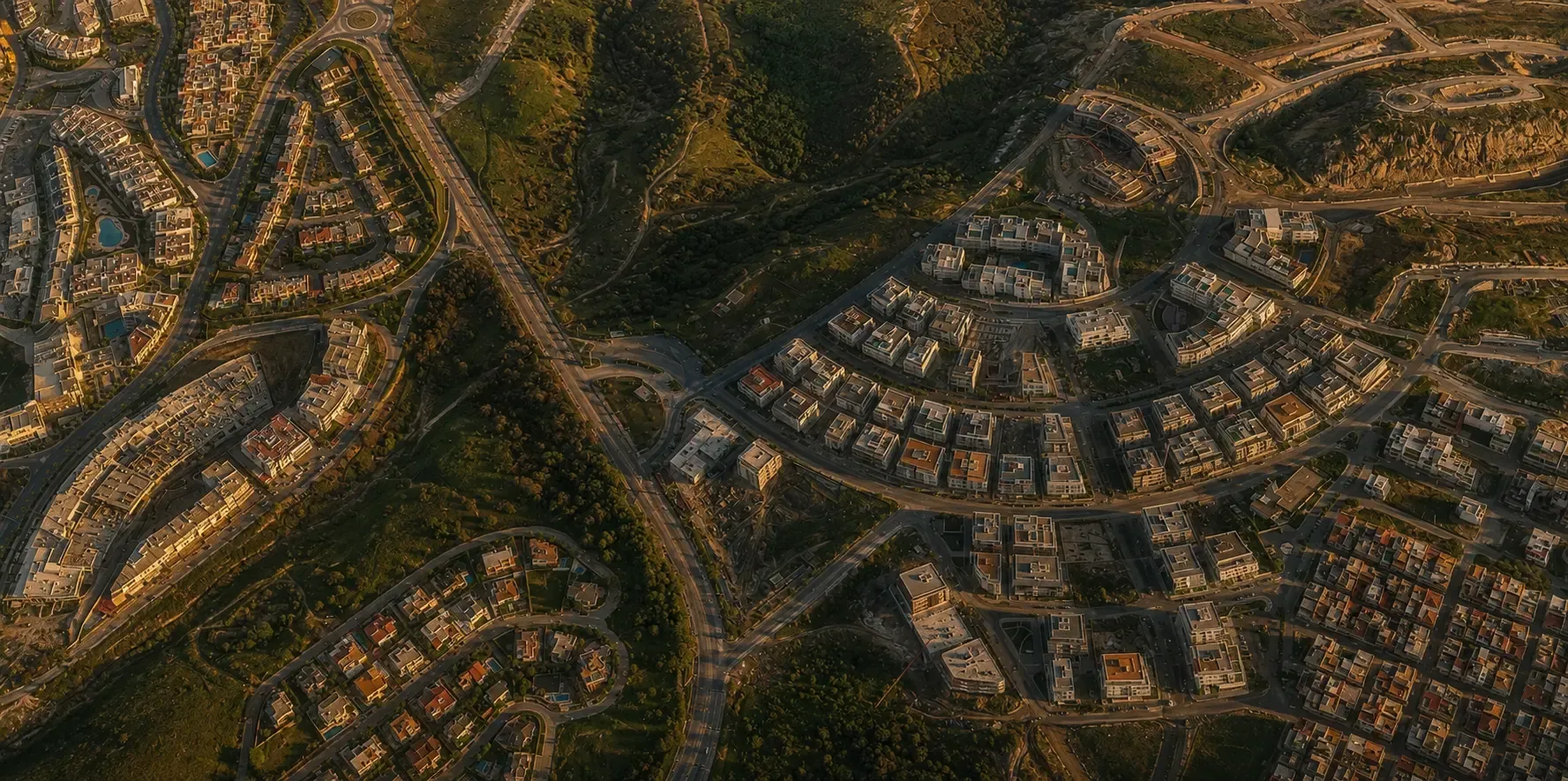
Eagle Hills Morocco, backed by Emaar's global development expertise, matters for Tangier buyers because it brings proven international planning standards and a track record of delivering large-scale master-planned communities to a market that previously lacked developments of this consistency and scale. Off-plan Eagle Hills properties typically offer 15–25% discounts compared to final market values, a meaningful advantage for early buyers willing to commit during construction phases. The developer actively builds in emerging districts like Malabata Hills, combining hillside elevation with beach proximity and central city access—a distinctive positioning compared to flat coastal alternatives. Property purchases in Eagle Hills developments typically incur notary fees and closing costs of 5–8% of purchase price, standard for Moroccan transactions. Infrastructure investment drives urgency: the TGV high-speed rail connection to Casablanca and the Tanger Med Port expansion are cited as major appreciation catalysts, with properties in proximity appreciating 4–8% annually. Eagle Hills developments typically span multiple price tiers within single projects—from studios to penthouses—creating diverse neighborhoods rather than single-tier communities. This mixed-income strategy appeals to buyers seeking both investment income and community amenity, and Emaar's international reputation reduces execution risk for foreign buyers unfamiliar with Moroccan developers.
Who Is Eagle Hills and Why They Matter to Tangier Buyers
Eagle Hills Morocco represents one of the most significant developer forces entering Tangier’s real estate market in recent years. Backed by the Emaar conglomerate—a global powerhouse with developments across the Middle East, Africa, and Europe—Eagle Hills brings international development standards and a proven track record to Morocco’s property landscape.
The company’s philosophy centers on creating « renowned communities that enhance quality of life, » combining local architectural context with modern amenities, hospitality-grade finishes, and thoughtful urban planning. For Tangier buyers, this means developments that aren’t simply buildings, but integrated neighborhoods designed around lifestyle and long-term value.
Understanding Eagle Hills Morocco’s Development Strategy
Eagle Hills doesn’t follow the cookie-cutter approach common in emerging markets. Instead, they undertake deep market research, understand local cultural preferences, and design communities that feel native while delivering international-quality construction and finish standards.
Their Tangier projects reflect this approach: mixed-use developments that combine residential, retail, and hospitality components; attention to public spaces and community amenities; sustainable building practices; and phased rollouts that allow neighborhoods to mature organically rather than arrive fully formed overnight.
What This Means for Property Values
When an Emaar-backed developer enters a market, it typically signals developer confidence in that market’s future. Eagle Hills’ presence in Tangier suggests they believe the city’s fundamentals—infrastructure growth, tourism expansion, young demographics, and economic development—support long-term property appreciation.
For buyers, this translates to several advantages. First, Eagle Hills developments typically attract a more affluent, quality-conscious buyer demographic, which supports neighborhood prestige and resale values. Second, their projects often anchor broader district improvement, encouraging complementary retail, services, and other residential investment nearby.
Key Areas Where Eagle Hills Is Active in Tangier
Eagle Hills’ Tangier developments are concentrated in districts that combine accessibility, growth potential, and lifestyle appeal. Understanding where they’re building helps buyers identify neighborhoods poised for transformation.
Premium Coastal and Hillside Districts
Eagle Hills has focused on Tangier’s emerging luxury corridors—areas like Malabata Hills, where hillside elevation combines with proximity to beaches and the city center. These developments appeal to buyers seeking modern amenities without sacrificing neighborhood calm or sea-view vistas.
The company’s hillside projects typically feature gated community structures, private parking, family-oriented amenities like parks and playgrounds, and architectural styles that balance contemporary design with Moroccan aesthetic elements. This positioning attracts both Moroccan families seeking quality housing and international buyers looking for turnkey luxury homes.
What Eagle Hills Brings That Local Developers Often Don’t
While Tangier has many capable local and regional developers, Eagle Hills’ international backing and experience create specific buyer advantages:
- Construction Quality and Timelines: Emaar’s global operations mean strict quality control, professional project management, and realistic delivery schedules—reducing the risk of delays or corner-cutting common in smaller developments.
- Transparent Financing: Eagle Hills developments often facilitate financing partnerships with major Moroccan and international lenders, making off-plan purchases more accessible to foreign buyers.
- Warranty and After-Sales Service: International developers typically offer longer defect warranties and professional after-sales service, protecting your investment beyond handover.
- Architectural Consistency: Their projects maintain consistent design language and finish standards across phases, creating neighborhood cohesion that supports long-term value.
- Community Management: Professional property management companies typically oversee Eagle Hills communities, ensuring maintenance standards that preserve property values over time.
Eagle Hills Properties: What Buyers Should Know
If you’re considering an Eagle Hills Morocco property, several factors should guide your decision:
Off-Plan Timing and Flexibility
Most Eagle Hills developments are marketed off-plan, meaning you’re buying before completion. This offers price advantages—typically 15-25% below final market value—but requires patience and trust in the developer’s delivery timeline. For international buyers accustomed to Western real estate norms, this represents a different risk-reward calculus.
The key question: Does the developer’s track record and financial backing justify purchasing off-plan? With Eagle Hills and Emaar’s pedigree, the answer is typically yes, though buyers should still conduct full due diligence.
Location and Neighborhood Development
Eagle Hills’ Tangier projects are intentionally located in emerging districts rather than fully mature ones. This is strategic—they’re anchoring neighborhood development and capturing upside appreciation. For you as a buyer, it means choosing between established neighborhoods with full services and newer areas with growth potential but fewer amenities initially.
Consider your lifestyle priorities. If you need restaurants, shops, and services immediately, established central areas may suit you better. If you value tranquility, new construction, and appreciation potential, Eagle Hills’ newer district locations offer compelling advantages.
Price Points and Unit Mix
Eagle Hills typically develops across multiple price tiers within single projects—studios and one-bedrooms for investors, two-to-three-bedroom apartments for families, and occasional penthouses or larger units for affluent buyers. This mixed-use approach creates diverse neighborhood demographics and stronger rental markets if you’re considering an investment property.
The Investment Case for Eagle Hills Developments
Beyond personal use, many buyers view Eagle Hills properties as investment vehicles. The case for investment strength rests on several factors:
Tangier’s Macro Growth: The city benefits from major infrastructure projects including the TGV high-speed rail, Tanger Med Port expansion, and tourism growth. These create sustained demand for quality residential housing. The TGV’s arrival alone is driving significant property value appreciation across the city.
Rental Market Demand: Tangier’s growing tourism sector and young demographic support rental investment, and Eagle Hills’ modern finishes and amenities command premium rental rates compared to older buildings.
Developer Exit Ramps: If you don’t wish to hold long-term, Eagle Hills’ brand prestige and construction quality make resale straightforward compared to speculative developments.
How to Evaluate an Eagle Hills Property
If you’re seriously considering an Eagle Hills purchase, several steps will protect your investment:
- Verify Developer Credentials: Confirm the project’s financing structure, ownership documentation, and regulatory approvals with an independent legal advisor familiar with Moroccan real estate law.
- Review Contracts Carefully: Have a Moroccan property attorney review all agreements before signing, paying particular attention to payment schedules, completion timelines, and penalty clauses.
- Understand Total Costs: Use a notary fees calculator to estimate all closing costs, which in Morocco typically add 5-8% to the purchase price.
- Assess Your Financing: If purchasing off-plan as a foreigner, confirm financing availability early. Moroccan lenders have specific requirements for foreign buyers, and Eagle Hills partnerships may offer additional options.
- Visit the District: Spend time in the neighborhood where you’re buying. Envision living there—not just the finished building, but the surrounding area as it develops.
Comparing Eagle Hills to Other Developers in Tangier
Tangier has a diverse developer ecosystem. While Eagle Hills brings international standards and Emaar backing, other developers offer distinct advantages. Immoworld works with multiple Tangier developers, each with different strengths:
Local and regional developers often offer more flexible payment terms, closer relationships with city planners, and deeper cultural understanding. Mid-market developers bring value without premium pricing. The right choice depends on your priorities—brand prestige and guaranteed quality (Eagle Hills) versus flexibility and local market knowledge (regional developers).
What Happens After You Buy: Community Living at Eagle Hills
Eagle Hills developments typically include professional property management, community amenities (pools, gyms, courtyards), and sometimes retail or dining components. This creates lifestyle value beyond the unit itself.
For families, this means safe, well-maintained common spaces. For investors, it means consistent property maintenance that preserves values. For international buyers, it means familiar service standards similar to developments in their home countries.
The Bottom Line: Is Eagle Hills Right for You?
Eagle Hills properties represent quality, internationally-backed development in a city experiencing genuine economic transformation. They suit buyers prioritizing construction quality, neighborhood development, and professional management—and willing to purchase off-plan or in emerging districts to capture appreciation potential.
They’re less ideal for buyers needing immediate full neighborhood amenities or preferring smaller, boutique developments with local character over international polish.
Tangier’s real estate market is increasingly sophisticated, and Eagle Hills’ arrival signals maturation. Whether their developments align with your goals depends on your timeline, budget, and investment philosophy. If you’re ready to explore Eagle Hills properties or compare them with other Tangier developers, our advisory team can guide you through every step of the evaluation and purchasing process.