
Foreigners can legally buy residential property in Tangier—Morocco's property law permits foreign nationals to purchase land and residential real estate outright, with the only restriction being agricultural and forestry land. The Ministry of Interior approval timeline runs 1–3 months for standard residential purchases, though occasionally extends to 6 months. Notary and registration fees collectively amount to 4–5% for notary work plus an additional 5–6% registration tax. Four neighborhoods anchor most foreign buyer activity: Malabata Hills and Marina Bay for luxury waterfront access, Moulay Youssef for central family living, and Kasbah for historic character. Established developers Eagle Hills (backed by Emaar) and Amanah Real Estate offer transparent pricing and flexible payment plans that appeal to international buyers unfamiliar with local customs. The complete purchase timeline from initial interest to deed signing spans 4–8 months for foreign buyers due to Ministry verification and notary processes. First-time international buyers typically pay a 10–20% deposit when signing the preliminary reservation contract, with the remainder split between construction phases or final closing.
Understanding Your Rights as a Foreign Property Buyer in Tangier
The first question most foreign buyers ask is: can I actually own property in Tangier? The answer is yes, with important qualifications. Morocco’s property law allows foreign nationals to purchase land and residential property, but you cannot own agricultural land or forestry land. For most buyers interested in apartments, villas, and urban real estate, this distinction is moot.
However, foreign ownership of property in Tangier comes with one critical requirement: you must obtain prior authorization from Morocco’s Ministry of Interior before completing your purchase. This is not a bureaucratic rubber stamp—it is a real legal step that can take 3–6 months and occasionally faces rejection, though approval is typical for residential purchases in tourist and commercial areas like Tangier.
Step 1: Get Pre-Approval from Morocco’s Ministry of Interior
Before you even make an offer, you should apply for authorization to purchase property. While some real estate agents will suggest you skip this step, doing so risks losing your deposit or facing complications at the notary office. Start early.
You will need to submit your passport, proof of financial capacity, a description of the property you intend to buy, and a formal application through a lawyer or notary. Your application will be reviewed by the local Ministry of Interior office in Tangier, which typically takes 1–3 months but can extend to 6 months in rare cases. Once approved, your authorization is valid for one year.
Step 2: Find Your Property and Make an Offer
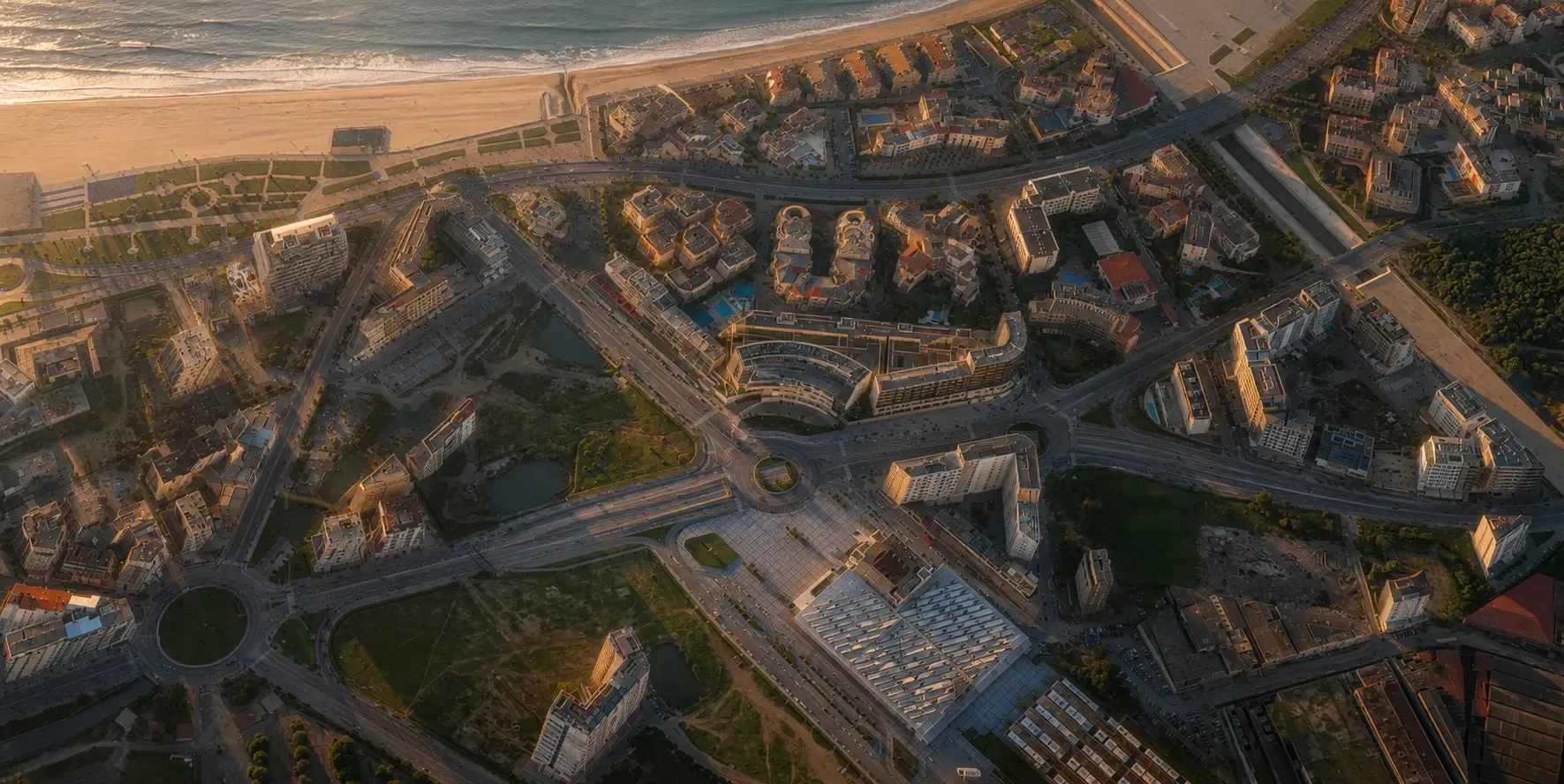
Tangier’s property market is diverse, spanning historic medina riads in the Kasbah, upscale apartments in Iberia, beachfront developments in Malabata, and emerging projects across newer districts. Whether you are seeking a ready property or an off-plan investment, understanding your neighborhood of choice is critical.
Once you have identified a property, negotiate directly with the seller’s agent or owner. Offers are typically made informally, and if accepted, you move to a preliminary agreement called a Contrat de Réservation (reservation contract). This document locks in the agreed price, payment schedule, and basic terms. You will usually pay a deposit of 10–20% at this stage.
Choosing the Right Neighborhood
Tangier offers distinct neighborhoods for different buyer profiles. Families often prefer Moulay Youssef, known for calm and central convenience, while luxury seekers gravitate toward Malabata Hills or the waterfront allure of Marina Bay. Investors seeking rental yields may explore emerging corridors like Ghandouri.
Browse our full property listings to compare options across these and other neighborhoods, or consult our neighborhood guides to narrow your search.
Step 3: Conduct Due Diligence and Engage a Lawyer
Before committing significant funds, hire a local Moroccan lawyer (essential) and potentially a surveyor. Your lawyer will verify the seller’s title deed, check for liens or mortgages, confirm zoning compliance, and ensure the property is not subject to inheritance disputes or other claims. This step typically costs 1,000–2,500 MAD and takes 2–4 weeks.
A surveyor (optional but recommended for villas or large properties) will inspect the property for structural integrity, boundary accuracy, and any hidden defects. Budget 1,500–3,000 MAD and 1–2 weeks for this process.
Step 4: Arrange Financing (If Needed)
Foreign buyers in Morocco can access mortgages through select banks, though terms are typically more stringent than for Moroccan nationals. Most foreign buyers finance through international banks or private funds. If you are seeking a Moroccan mortgage, approach a bank early—the process takes 4–8 weeks and requires proof of income, employment, and financial reserves.
Alternatively, some buyers arrange seller financing, especially in developments by established developer partners like Eagle Hills or Amanah Real Estate, which sometimes offer payment plans over 3–5 years.
Step 5: Sign the Acte Authentique at the Notary
Once your lawyer confirms the title is clear, due diligence is complete, and financing is arranged, you proceed to the final deed signing with a Moroccan notary (called a Adoul). This is the legally binding moment of purchase.
At the notary office, you and the seller will sign the Acte Authentique (authentic deed), which records the sale in the land registry. The notary collects all fees and taxes, registers the property in your name, and provides you with your official deed.
What to Expect at the Notary
- Bring your valid passport and the approved authorization from the Ministry of Interior
- Verify all property details, price, and payment terms are correctly stated in the deed
- Pay the notary fees, registration taxes, and any outstanding property taxes owed by the seller
- Receive your signed deed and official registration certificate
- The entire process typically takes 1–2 hours
Understanding the Costs of Buying Property in Tangier
Beyond the purchase price, foreign buyers must budget for several fees and taxes. Understanding these costs upfront prevents surprises at closing.
Notary fees: These are typically 4–5% of the purchase price and cover deed preparation, registration, and legal documentation. Registration tax: A state tax of 5–6% of the property value, collected by the notary. Agency commission: If you purchased through an agent, expect 2.5–5% of the sale price, typically paid by the seller but sometimes split. Property tax (Taxe d’Habitation): An annual municipal tax paid by the owner, ranging from 100–1,000 MAD depending on property value and size.
To estimate your exact closing costs, use our notary fees calculator, which factors in your property price, type, and location in Tangier.
Timeline: How Long Does It Take?
A typical property purchase in Tangier as a foreigner takes 4–8 months from initial interest to final deed signing. Ministry of Interior approval alone requires 1–3 months. If you are buying off-plan from a developer, timelines may extend to 18–36 months until construction completion and delivery.
Here is a realistic breakdown:
- Weeks 1–4: Find property, make offer, sign reservation contract
- Weeks 1–12: Apply for Ministry of Interior authorization (concurrent with other steps)
- Weeks 4–10: Lawyer due diligence and title verification
- Weeks 8–16: Arrange financing (if applicable)
- Weeks 16–20: Final inspections and notary preparation
- Week 20+: Sign deed and receive registration certificate
Working with Developers vs. Private Sellers
Tangier has a growing developer market. Established developers like Eagle Hills offer modern, quality-assured properties with transparent pricing and often flexible payment terms for foreign buyers. Private sellers may offer lower prices but require more careful due diligence and negotiation.
Our developer directory lists all trusted partners we work with in Tangier, including Amanah Real Estate, Aarab, and others. Buying from a listed developer often streamlines the process and provides greater recourse if disputes arise.
Common Pitfalls and How to Avoid Them
Skipping Ministry of Interior authorization, hiring an unqualified lawyer, or failing to verify the seller’s title are the most common and costly mistakes. Never hand over large sums without a signed, witnessed agreement. Avoid cash-only deals or agreements made outside the notary system, as these offer zero legal protection.
If the seller or agent pressures you to rush or bypass formal steps, that is a red flag. A legitimate transaction always includes proper documentation, notarial involvement, and government registration.
After Purchase: Ownership and Maintenance
Once the deed is signed and registered, you are the legal owner. You will receive a Titre Foncier (land registration certificate) confirming your ownership in the national registry. As owner, you are responsible for annual property taxes, building maintenance fees (if in an apartment complex), and any utilities or services.
Keep all documents in a safe place—you will need them if you ever wish to sell, refinance, or resolve disputes. Many foreign buyers store originals with their lawyer and keep certified copies at home.
Getting Expert Guidance
Buying property in Tangier as a foreigner is absolutely achievable, but the legal and procedural requirements demand expert guidance. Our advisory team at Immoworld has helped dozens of foreign buyers navigate this process successfully. Contact us today to discuss your property goals, or explore our frequently asked questions for quick answers on financing, legal requirements, and neighborhood selection.
Whether you are buying your first home, seeking a rental investment, or exploring Tangier’s luxury market, we are here to guide you from initial inquiry through final deed signing—and beyond.