
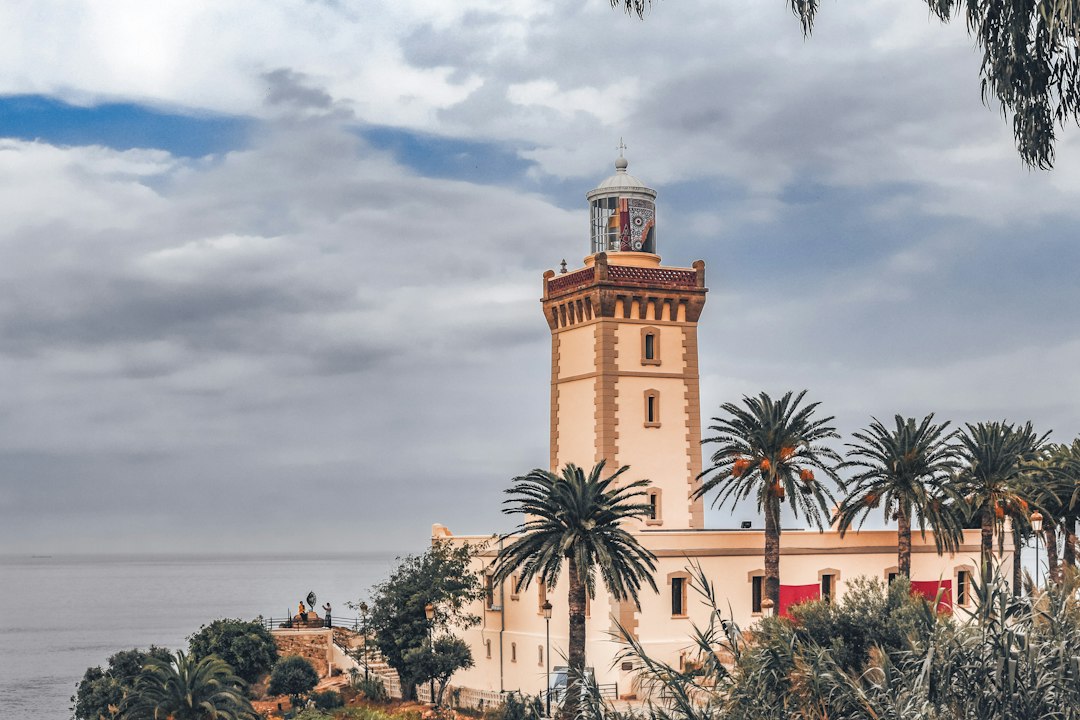
Centre-Ville apartment prices rose 7–12% in 2026, a meaningful but more moderate appreciation than coastal or emerging luxury districts. This increase was driven by tourism growth, urban renewal initiatives, infrastructure improvements including TGV preparation, and the district's enduring appeal as Tangier's walkable historic and commercial center. While Centre-Ville remains more affordable than beachfront areas, the market is increasingly selective—modern finishes and location within the district matter significantly to pricing.
Why Centre-Ville Prices Climbed in 2026
Centre-Ville's 2026 price growth reflected broader shifts in how Tangier's real estate market values urban walkability and commercial centrality. Unlike coastal areas where appreciation centered on beachfront access, Centre-Ville's gains were driven by practical, investment-focused factors.
Tourism expansion proved decisive. Tangier's visitor numbers continued climbing through 2026, and Centre-Ville—anchored by the Grand Socco, the city's main souk, and dense retail corridors—remains the principal destination for walking tours and cultural exploration. This tourism pressure filtered into residential rental demand. Buyers purchasing for Airbnb income or seasonal rental returns actively competed for walkable apartments with character and access to pedestrian zones.
Urban renewal and restoration projects accelerated throughout the district. The municipality's initiative to restore façades and improve public spaces in the Grand Socco area created visible momentum. These improvements, while modest compared to new developments elsewhere, signaled long-term commitment to the neighborhood. Existing residents and new buyers interpreted this as a stabilizing force, reducing the perception of decline that had plagued Centre-Ville for years.
Infrastructure preparation for the TGV high-speed rail connection also influenced Centre-Ville pricing. Although the main TGV station sits outside the city center, improved transportation networks connecting downtown neighborhoods to the station raised expectations for Centre-Ville's connectivity and accessibility. Buyers increasingly viewed Centre-Ville not as an isolated old quarter but as an anchor to the broader metropolitan transit system.
Segmentation Within Centre-Ville: Where Prices Moved Most
Not all Centre-Ville addresses appreciated equally. Price movement was highly localized, reflecting developer activity, proximity to commercial corridors, and condition of existing stock.
Grand Socco and Adjacent Blocks
Properties immediately around the Grand Socco and Rue de la Liberté experienced the strongest appreciation, with some units seeing 10–14% gains. This zone attracts international buyers seeking apartments with authentic medina character combined with easy street-level access to restaurants, galleries, and tourist foot traffic—ideal for short-term rental operators. Modern renovations in these blocks commanded premiums, while unrenovated traditional riads remained scarcer and more specialized purchases.
Boulevard Pasteur Corridor
The established commercial avenue Boulevard Pasteur, lined with colonial-era buildings and mixed residential-retail frontage, saw more modest appreciation of 6–9%. These properties appeal to business operators and long-term residents who value the avenue's established services and walkability, but they attract less speculative investment than Grand Socco units.
Quieter Residential Blocks
Deeper into Centre-Ville's residential neighborhoods—away from the commercial buzz—appreciation stalled around 3–6%. These blocks retain authentic character but lack tourist foot traffic and commercial dynamism. They appeal primarily to local residents and European pensioners seeking affordable, central living rather than investors.
Price Ranges by Property Type
Understanding what 2026 Centre-Ville prices actually look like across different apartment formats helps clarify the market's structure.
- Studios: €65,000–€95,000 in commercial zones; €50,000–€70,000 in quieter blocks. Modern renovated studios near the Grand Socco commanded top-end pricing.
- 1-Bedroom Apartments: €85,000–€130,000, depending on location and condition. Renovated units with sea glimpses or balconies reached €120,000+.
- 2-Bedroom Apartments: €120,000–€180,000 for ready-to-move units; new developments from established developers ranged €140,000–€200,000.
- 3-Bedroom and Above: €160,000–€280,000, but these are increasingly scarce in Centre-Ville proper—most larger units are in adjacent districts like Castilla or Quartier Administratif.
Off-plan developments in Centre-Ville remained limited compared to other districts. Developers favored lower-density neighborhoods; Centre-Ville's tight existing urban fabric made large new projects impractical. The few off-plan units marketed in 2026 were typically renovations of colonial buildings or boutique developments aimed at luxury short-term rental investors.
Who Drove the 2026 Demand?
Centre-Ville's 2026 price appreciation was not evenly distributed across buyer segments. Three groups in particular reshaped the market.
Diaspora and International Investors (50% of purchases)
Moroccan diaspora and international property investors, particularly from Western Europe, dominated Centre-Ville purchases in 2026. Their target: walkable, authentic apartments suitable for short-term rental or personal use during visits home. They valued character and location over modern amenities, and they were willing to pay premiums for well-positioned units near the Grand Socco.
Business Operators and Commercial Residents (25%)
Small business owners, shop proprietors, and service professionals purchasing apartments above or beside their businesses represented the second-largest buyer segment. These purchases were typically owner-occupied, not investment-driven, and represented genuine anchoring of the neighborhood.
Foreign Pensioners and Retirees (20%)
European and North American retirees seeking affordable, walkable Mediterranean living continued to trickle into Centre-Ville. They typically purchased once, settled long-term, and were less price-sensitive than investors—this segment supported floor prices and reduced volatility.
Local Residents and Upgraders (5%)
Moroccan residents upgrading within Centre-Ville or relocating to better apartments remained a small buyer segment, outweighed by external investment.
Development Activity and Future Supply
Unlike emerging districts experiencing rapid new construction, Centre-Ville's 2026 supply was primarily driven by renovation and repositioning of existing stock. No major new residential towers broke ground in the historic center—city planning restrictions, density limits, and developer focus on higher-margin coastal developments all discouraged large new projects.
Instead, 2026 saw selective façade restoration, interior modernization of colonial apartments, and conversion of underutilized commercial space into boutique short-term rental units. This renovation supply was limited and owner-driven rather than developer-led, which helped stabilize prices by preventing oversupply.
The Centre-Ville district guide provides detailed neighborhood context and current listings if you're exploring the area. For a comprehensive view of all available properties across Tangier, the full property listings platform shows Centre-Ville options alongside comparable units in other districts, helping you benchmark value and understand where Centre-Ville prices sit relative to alternatives.
How 2026 Compares to Previous Years
Centre-Ville's 7–12% appreciation in 2026 represented acceleration from 2024–2025, when the district experienced stagnation and even modest depreciation. The turnaround reflects a genuine shift in investor perception—from viewing Centre-Ville as declining to seeing it as stabilizing and increasingly interesting for lifestyle and rental income.
For context: a €100,000 apartment in Centre-Ville appreciated to roughly €107,000–€112,000 through 2026, while similar units in coastal districts like Malabata or Ghandouri saw 12–18% gains. Centre-Ville remained the more affordable option, but the appreciation gap narrowed significantly, signaling that Centre-Ville's value proposition was re-emerging.
Factors That Could Shift Prices in 2027–2028
Several catalysts could accelerate or dampen Centre-Ville price momentum going forward:
- TGV Completion: When high-speed rail connectivity launches, improved transportation access could trigger renewed investor interest and rental demand focused on commuter convenience.
- Tourism Infrastructure: New hotels, restaurants, or cultural institutions anchoring Grand Socco area could further boost short-term rental yields and property values.
- Commercial Revival: If retail occupancy on Boulevard Pasteur and side streets strengthens, neighbourhood foot traffic and vitality would rise, supporting residential appreciation.
- Diaspora Confidence: Currency fluctuations, Moroccan economic performance, or political stability in diaspora source countries could either accelerate or slow international buyer activity.
- Regulatory Changes: Any changes to short-term rental regulations or tourism taxation could materially affect investor demand for Centre-Ville apartments.
Practical Steps for Buyers Considering Centre-Ville in 2027
If you're evaluating a Centre-Ville purchase, several practical considerations emerge from 2026 market dynamics.
First, location within the district matters more than ever. Units within a 200-meter walk of Grand Socco or Boulevard Pasteur command significant premiums over quieter blocks; this segmentation is likely to continue widening. Second, condition and renovation level are price-driving factors—modern renovated units outperformed unrenovated traditional properties. Third, if your purchase intent is rental income, Centre-Ville remains highly competitive; studios and 1-bedroom units positioned near tourist zones consistently achieve 5–7% annual rental yields.
Before committing, understand the notary and closing costs specific to Centre-Ville purchases. The notary fees calculator can help you estimate registration and acquisition costs, which typically represent 7–10% of the purchase price. For comprehensive guidance on the purchase process, the FAQ section addresses common buyer questions about legal frameworks, financing, and foreign ownership rules in Morocco.
Conclusion: Centre-Ville's Role in Tangier's 2026 Market
Centre-Ville's 7–12% price appreciation in 2026 represents genuine stabilization and renewed investor interest in Tangier's historic center. The district's walkability, tourism appeal, and position as the city's commercial and cultural anchor make it resilient and increasingly attractive to international buyers seeking affordable urban living combined with rental income potential.
However, Centre-Ville remains a selective market segment rather than a broad investment play. Success depends on understanding neighborhood micro-location, property condition, and buyer intent. For diaspora investors and lifestyle buyers, Centre-Ville offers authentic character and immediate livability. For purely financial investors, coastal and emerging luxury neighborhoods continue to outpace Centre-Ville in appreciation.
If Centre-Ville aligns with your lifestyle or investment goals, 2027 may be a compelling entry point before TGV completion and further urban renewal potentially accelerate prices. For detailed guidance on Centre-Ville purchases or to explore comparable properties across Tangier, contact Immoworld's advisory team to discuss your specific needs and market strategy.