
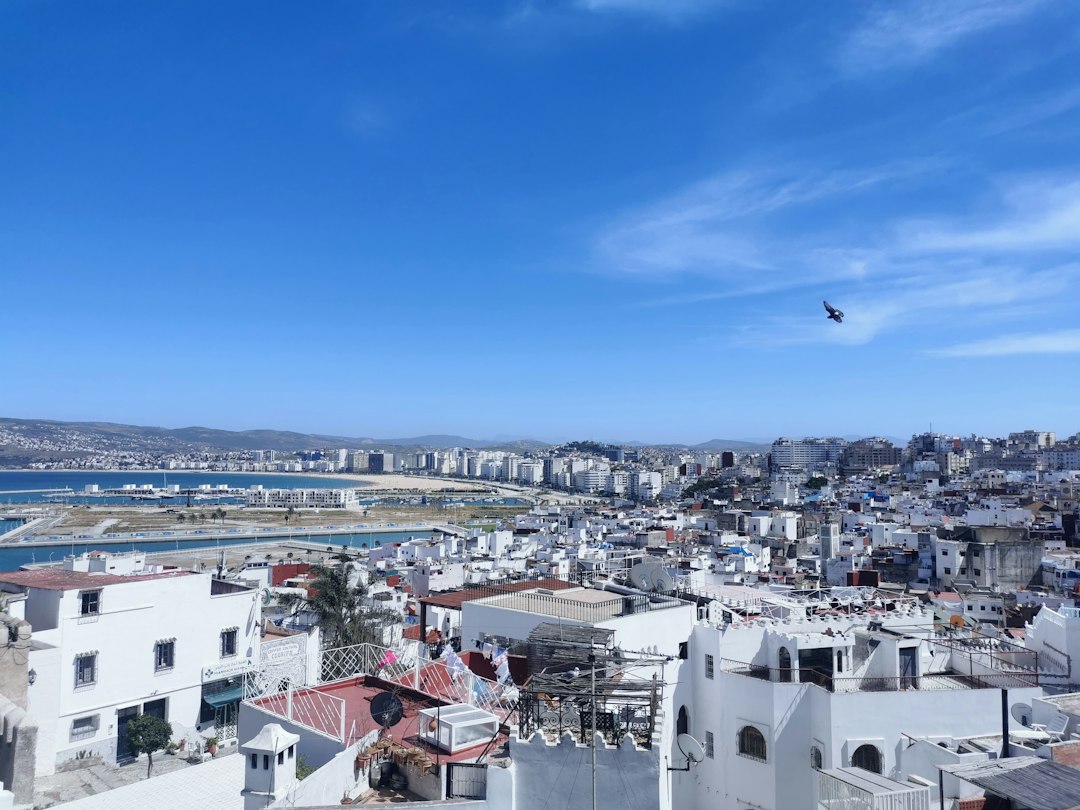
Buying your first property in Tangier as a foreign investor is legally straightforward and achievable, but requires understanding Morocco's notary-led process, budgeting for closing costs (typically 7–10% of purchase price), securing proof of funds, and selecting the right neighborhood for your lifestyle and investment goals. This checklist covers every essential step—from pre-purchase due diligence through final title transfer—so you enter the market confident and protected.
1. Clarify Your Financial Position and Funding Source
Before you begin house hunting, establish exactly how much you can spend and where your funds are coming from. Morocco requires proof of funds and documentation of any international transfers for regulatory compliance.
- Determine your total budget — Remember that closing costs add 7–10% to your purchase price. If you're looking at a €150,000 property, budget €160,500–€165,000 total.
- Gather proof of funds — Bank statements, investment accounts, or letters from your lender showing available capital.
- Arrange international transfers if needed — Understanding how to transfer funds internationally to buy property in Morocco will help you navigate currency controls and banking protocols.
- Get mortgage pre-approval (optional) — If you're financing through a Moroccan bank, pre-approval clarifies your borrowing capacity and strengthens your negotiating position.
- Set aside closing cost buffer — Use our notary fees calculator to estimate registration, transfer taxes, and legal fees specific to your property value.
2. Get Familiar with Tangier's Neighborhoods and Market Segments
Tangier is divided into distinct residential corridors, each with different price points, amenities, and buyer profiles. Understanding which area fits your lifestyle and investment strategy is foundational.
For established, central locations: Iberia is widely considered Tangier's most prestigious residential quarter, known for clean streets, upscale finishes, and family-friendly amenities. Castilla is a well-established, centrally located district known for its well-maintained residential buildings and easy access to everyday services.
For coastal and waterfront living: Malabata stands out for its unique blend of coastal glamour and future potential, with endless horizon views and direct beach access. Marina Bay is one of the few genuinely seafront districts in Tangier, built around the city's marina.
For villa and land opportunities: Achakar is Tangier's affluent northwestern coastline, stretching toward Cap Spartel and the Caves of Hercules—long known for private villas and sweeping Atlantic views.
For emerging luxury corridors: Ghandouri is increasingly favored for larger-format luxury units like penthouses, while Malabata Hills is a high-end residential neighborhood developing on the heights above Malabata.
3. Understand Morocco's Property Ownership Laws for Foreigners
Foreign ownership of residential property in Morocco is legal and straightforward. However, certain restrictions and protections apply—and it's essential you understand them before committing to a purchase.
- Residential property ownership is permitted — You can own an apartment, villa, or land as a foreigner without restriction.
- No special visa or residency required — You don't need to live in Morocco or hold a residence permit to own property.
- Title is registered in your name — Your property deed (titre de propriété) is a legal document transferable to heirs and saleable at any time.
- Inheritance rules differ from Western countries — Foreign property ownership in Morocco is legal, but inheritance and succession rules differ significantly from Western countries. Consult a notary about succession planning.
- No capital gains tax on resale — You'll pay transfer tax at sale, but there's no ongoing capital gains levy on appreciation.
4. Review the Tangier Property Market and Price Trends
Tangier's property market has evolved dramatically in the past five years, with significant investment in infrastructure and tourism. Knowing the current pricing landscape and which segments are appreciating helps you make an informed decision.
Browse Immoworld's full listing of apartments, villas, and off-plan properties for sale in Tangier to understand real market pricing in your target neighborhoods. Price ranges vary widely—studios and small apartments start around €60,000–€100,000 in established areas, while 3-bedroom units in mid-to-upscale neighborhoods range €150,000–€250,000. Luxury penthouses and sea-view residences can exceed €500,000.
Study neighborhoods where you see multiple new developments underway. Infrastructure investment and developer activity often signal rising demand and future appreciation.
5. Choose Between Off-Plan and Ready-to-Move Properties
Tangier's market offers both options, and each comes with distinct advantages and timelines.
Off-plan: You buy directly from the developer before construction is complete. Prices are typically lower, you receive tax incentives in Morocco, and your payments are staged. However, you wait 2–4 years for occupancy, and you depend on the developer's timeline. VEFA (Vente en l'État Futur d'Achèvement) is Morocco's legal framework protecting your down payments through escrow accounts.
Ready-to-move: You take immediate occupancy and avoid construction risk. However, prices are typically 10–15% higher, and you must verify the property's title history and condition carefully.
Explore every real-estate developer Immoworld works with in Tangier to understand current projects, timelines, and reputations.
6. Hire a Notary and Verify the Property Title
A notary is a government-appointed officer essential to every property transaction in Morocco. They verify ownership, authenticate documents, collect taxes and fees, and transfer the title to your name. You cannot complete a purchase without one.
- Choose a notary early — Ask Immoworld or your real estate agent for a referral to a trusted notary in Tangier who has experience with foreign buyers.
- Request a title search (recherche de titre) — Your notary will verify that the property is free of liens, mortgages, or disputes, and that the seller truly owns it.
- Review the compromis de vente (preliminary contract) — This outlines purchase price, conditions, payment timeline, and dispute resolution. Have your notary explain every clause.
- Verify all utilities and services are registered — Electricity, water, and gas should be in the owner's name and free of unpaid bills. Your notary confirms this.
- Budget notary fees — Typically 2–4% of purchase price for registration, title transfer, and legal documentation.
7. Conduct (or Commission) a Property Inspection
Property inspections in Tangier are not as standardized as in Western markets, but it's wise to commission one—especially for older properties or resale units. Your notary can recommend a qualified inspector or engineer.
- Check structural integrity — Foundation, walls, roof, and plumbing. Water damage and cracking are common concerns in older buildings.
- Inspect electrical systems and safety — Outdated wiring and missing safety features are common.
- Verify building permits and compliance — Your notary confirms that construction followed local regulations.
- For new developments, review the handover certificate (procès-verbal) — This documents the property's condition at handover and protects you against unfinished or defective work.
8. Understand Closing Costs and Budget Accurately
Closing costs in Tangier are substantial and non-negotiable. Understanding every line item prevents surprises at signing.
- Notary registration fees — 2–4% of purchase price for title transfer and authentication.
- Property transfer tax (droit d'enregistrement) — 3% of purchase price for resale properties; 0% for qualifying off-plan purchases (tax incentive).
- Municipality tax (taxe urbaine) — Typically €100–€300, depending on property type and location.
- Title deed preparation — €200–€400 for document preparation and official registration.
- Notary honorarium and miscellaneous fees — €300–€800, depending on transaction complexity.
Use our notary fees calculator to estimate your exact closing costs based on your property price and neighborhood.
9. Arrange Your Payment Structure
Payment timing depends on whether you're buying off-plan or ready-to-move. Plan your cash flow accordingly.
For off-plan: Typically 20% deposit upon signing the compromis de vente (preliminary contract), 30–50% at foundation stage, and the balance at handover. Your payments are held in an escrow account (compte de séquestre) managed by the notary.
For ready-to-move or resale: Usually 10–20% deposit, with the remainder due at final signing (acte authentique). The notary manages funds during the transaction.
If you're financing through a Moroccan bank, the lender typically pays directly to the notary's escrow account, and you pay only your down payment and closing costs from personal funds.
10. Complete Your Power of Attorney (if Buying Remotely)
If you cannot be present in Tangier for signings, you'll need a legally notarized power of attorney (procuration) delegating purchase authority to a trusted agent, family member, or representative.
- Notarize your power of attorney in your home country — This must be witnessed by a notary public and, if required, apostilled for Morocco (an international certification).
- Give your agent clear, written instructions — Specify which property, maximum price, conditions, and timeline.
- Confirm Moroccan notary accepts it — Send a copy in advance to your Moroccan notary for review and approval.
11. Submit Required Legal Documents to Your Notary
Your notary will request specific documents before finalizing the purchase. Have them prepared in advance to avoid delays.
- Passport copy — Valid identification for the notary's records.
- Proof of funds — Bank statements, investment account confirmations, or lender pre-approval letter.
- Proof of income (if financing) — Pay stubs, tax returns, or employment letter.
- Marriage certificate or civil status document — Required if married or in a civil union (especially important for inheritance planning).
- Declaration of origin of funds — Morocco requires this for anti-money-laundering compliance. Your notary provides the form.
- Proof of address — A utility bill or official letter confirming your current residence.
12. Finalize Your Purchase and Receive Your Title Deed
The final step is signing the acte authentique (official purchase deed) before the notary. This is legally binding and irreversible.
- Schedule final signing — Coordinate with your notary, the seller, and any agents involved.
- Verify all amounts and terms one last time — Before signing, confirm purchase price, closing costs, payment methods, and handover date.
- Sign the acte authentique — Both you and the seller sign in the presence of the notary. If buying remotely, your power of attorney holder signs on your behalf.
- Submit funds via bank transfer — The notary provides wire instructions. All funds must be transferred to the escrow account (compte de séquestre) for authentication and title protection.
- Receive your titre de propriété — Your official title deed, issued by Morocco's land registry (Conservation Foncière). This is your proof of ownership.
- Register for property taxes and utilities — Your notary can guide you, or you can register directly with the municipality for property tax (taxe urbaine) and arrange utility accounts in your name.
13. Connect with a Trusted Local Advisor
Navigating Tangier's property market as a first-time buyer is manageable when you have expert guidance. Immoworld's advisory team has helped hundreds of foreign buyers complete purchases confidently and securely.
Get in touch with Immoworld's advisory team to discuss your specific situation, timeline, and neighborhood preferences. We can connect you with vetted notaries, inspectors, and agents—and answer any questions about the legal process, costs, or market conditions.
Conclusion: Start Your Tangier Property Journey Confidently
Buying your first property in Tangier is a significant financial and personal milestone. This checklist ensures you've covered every essential step—from clarifying your budget and understanding Morocco's legal framework, to verifying the property title and budgeting for closing costs. The Tangier property market offers genuine opportunity for foreign buyers willing to do their due diligence and work with trustworthy local partners.
Whether you're seeking a sea-view apartment in Malabata, a central residence in Iberia, or a villa in Achakar, the process is straightforward when you're prepared. Start by exploring available properties, understanding your neighborhood options, and connecting with an experienced notary early. Reach out to Immoworld today to discuss your timeline, budget, and goals—and let us guide you through every step of your purchase.